Your Guide to Planning A Successful Hunting Trip

There’s something about hunting trips that’s so addictive. Spending a couple of days in nature is always something to look forward to, of course; but it’s really the thrill and the promise of success that keeps people coming back for more.

As exciting as the idea of going on a hunting trip is, though, the reality of making it happen – not so much. A lot of things need to come together to make a hunting trip work.

Venturing into the wilderness carries a high level of risk. Thus, safety must be top priority, but without sacrificing comfort and productivity. After all, nobody wants to spend several days in the wild and have nothing to show for it.

8 Useful Tips for Your Next Hunting Trip

8 Useful Tips for Your Next Hunting Trip

Hunting trips may vary in length and location, but there are certain universal truths to consider when planning a successful hunt.

No matter the game or season; guided hunting trip or not; these tips will help you make the most of your time in the great outdoors.

1. Plan ahead of time.

It’s never too soon to start preparing for an upcoming hunt. You can use the off-season to inspect, clean, and fix your equipment; renew or apply for hunting licenses; or brush up your shooting skills.

It’s also a good idea to create a checklist and start packing your gear weeks before your trip, so you have time to address any issues that come up and make sure nothing important gets left behind.

2. Pick your prey.

 You need to decide what animal you want to hunt early on for a number of important reasons. Your choice of prey will determine the location, cost, and length of your trip, and also influence the type of equipment you need.

Once you’ve set your mind on an animal, you can then work on improving your hunting technique to increase your chances of success. This is particularly important if you’re hunting larger prey like deer and bears.

3. Decide on a hunting location.

After you’ve decided on a target, it’s time to pick a location. When choosing a hunting location, you need to take into account your budget, the available accommodation, the terrain, and if you need to hire a hunting outfitter.

Also, do some research on what other hunters have to say about your chosen location. Did they have a pleasant time? Is there anything in particular that you need to prepare/watch out for? Have many of them had success? If many of them went home empty-handed, you might want to check out other locations.
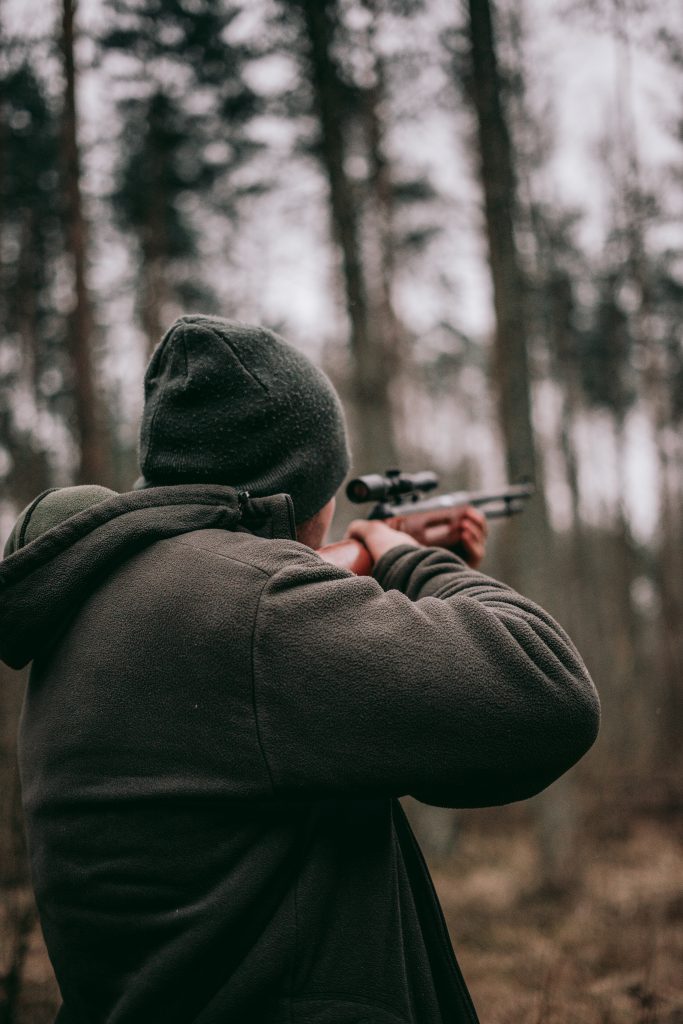
Behind every successful hunt is a well-thought-out route and hunting strategy.

4. Map the terrain.

Now that you’ve picked a location, you’ll want to get a detailed look of the terrain – especially if you’re hunting somewhere new. Behind every successful hunt is a well-thought-out route and hunting strategy.

You don’t have to personally visit the location to map the terrain. You can simply go online and look up other people’s detailed plans, recommendations, first-hand accounts of their experiences in the area. Every bit of information you gather will get you one step closer to success.

5. Prepare required permits and licenses.

Hunting laws vary by location, so make sure to check for required permits and licenses, especially if you’re planning to hunt overseas. Note important details like the duration of the validity of a hunting license and if there are any limits in the number of animals you can take per day.

Hunting violations can get very expensive. That said, don’t hesitate to get in touch with the local wildlife agency if you have any questions regarding the rules and regulations. It’s better to be safe than sorry, right?

6. Test your hunting gear and equipment.

Before embarking on a hunting trip, it’s only natural to check that you have all the necessary equipment and that they are in perfect working condition.

Most importantly, keep in mind that the quality of your equipment has a great influence on the outcome of your trip. As such, it will do you a lot of good to avoid low-cost hunting knives and weapons. Their lack of quality might end up jeopardizing the hunt or – worse – put you (or other people) in dangerous situations.

7. Brush up on safety rules.

Having safety precautions in place is crucial during a hunting trip. Even experienced hunters can lose focus and let their guards down, so see to it that everyone is aware and on the same page when it comes to safety rules and regulations.

Groups with inexperienced hunters will have to double down on their safety guidelines. Make sure everyone knows how to use their weapons properly. If you must, impose consequences for breaking safety rules, so nobody takes them lightly.
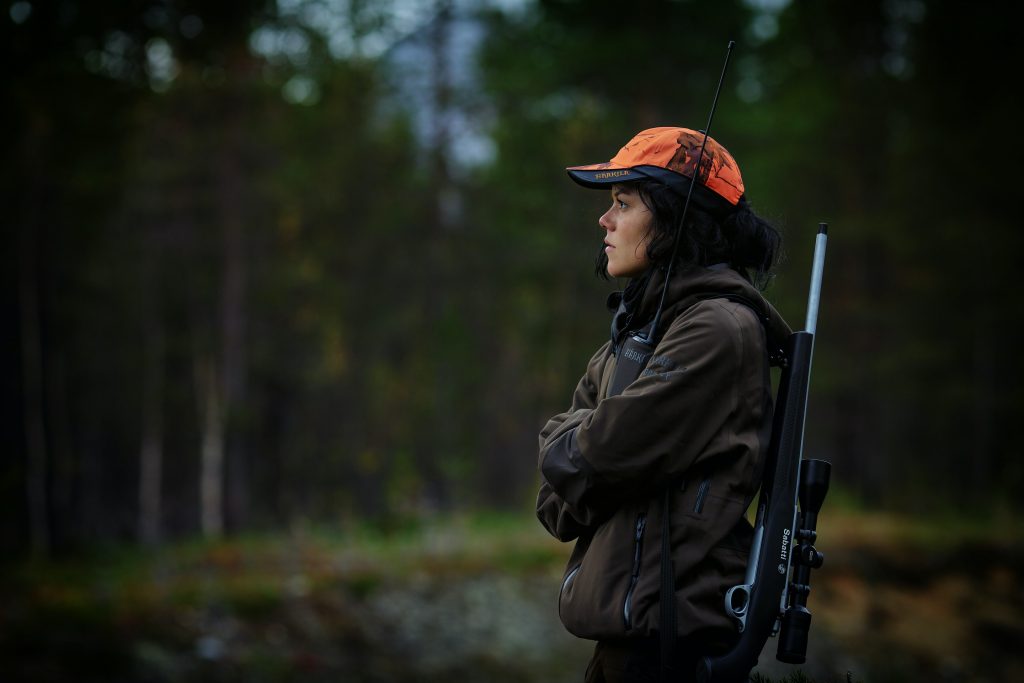
Having safety precautions in place is crucial during a hunting trip.

8. Check the weather and dress appropriately.

This should have been a no-brainer but, believe it or not, a lot of people fail to check the weather before a hunting trip. While a little rain is no reason to abandon your plans, a little preparation will go a long way – especially when you’re camping out in the middle of the woods.

Also, invest in good hunting boots and wool socks. High-quality wool socks will keep your feet dry and comfortable, allowing you to walk longer distances.

Should you hire a hunting outfitter?

Hunting guides and outfitters are essential to the success of your hunting trip, even more so if it’s your first time to hunt in the area or you’re hunting a game you’re not very familiar with.

Hunting outfitters will make your hunting trip much more convenient and enjoyable. They’ll arrange the details of your trip, locate the best places for hunting, secure the necessary licenses and permits, transport your hunting equipment, and even help you process the animals, in the event of a successful kill.
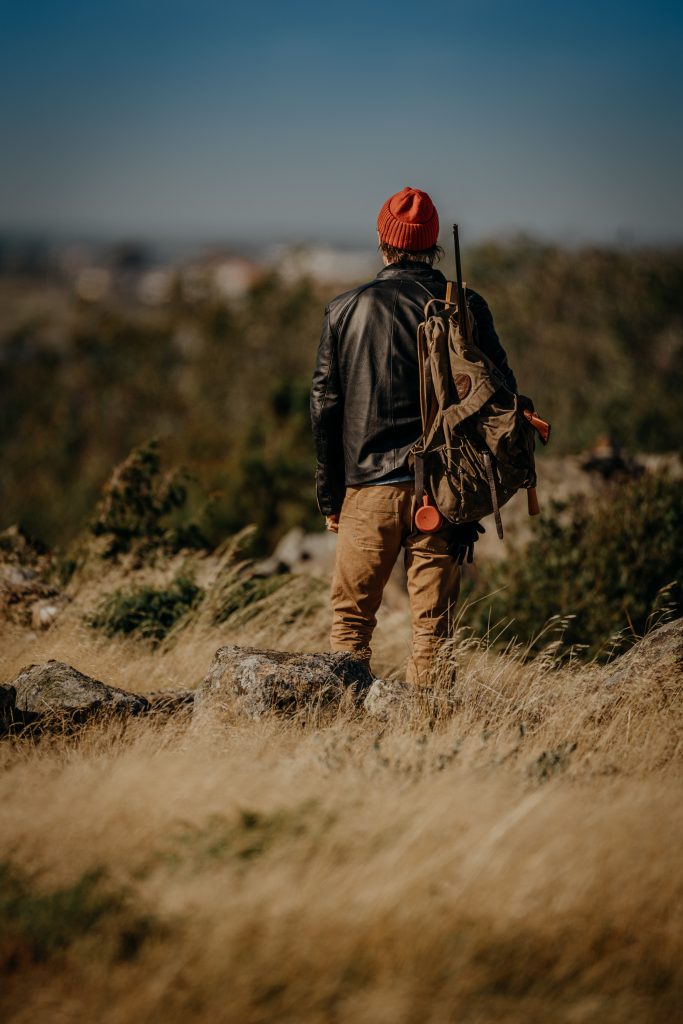
Hunting guides and outfitters are essential to the success of your hunting trip

Moreover, experienced outfitters know the hunting grounds like the back of their hands and have a vast understanding of guns and the ammunition needed for different types of targets. Their expert guidance and advice could mean the difference between a frustrating and rewarding hunting experience.
Prepare for the Unthinkable: Arm Yourself with Essential Survival Skills and Knowledge!

Get Started with Prepping: Essential Tips for Beginners

In an unpredictable world, being prepared for unexpected events and emergencies is a wise choice. Prepping, short for preparedness, involves acquiring the knowledge, skills, and supplies necessary to effectively navigate and survive various crisis situations. Whether you’re interested in natural disasters, economic uncertainties, or personal safety, embarking on your prepping journey can provide peace of mind and the ability to take care of yourself and your loved ones.

effectively navigate and survive various crisis situations

This guide will help you get started with prepping by recommending online channels to follow, providing steps for exploring this new journey, and sharing essential tips for beginners.

1. Online Channels for Prepping:

The internet is a valuable resource for preppers, offering a vast array of educational and informative content. Here are some recommended channels to get you started:

a. Year Zero Survival: Is a comprehensive website that covers various aspects of preparedness. They share practical tips, gear reviews, and survival techniques.

b. Canadian Prepper: This channel provides a wealth of knowledge on prepping, survival skills, gear reviews, and discussions on current events. Canadian Prepper offers practical advice for both urban and wilderness survival scenarios.

c. The Urban Prepper: Focusing on urban preparedness, this channel offers tips for city dwellers, apartment preppers, and those with limited space. It covers topics such as food storage, self-defense, and urban gardening.

d. Sensible Prepper: Offers a wide range of prepping videos, including bug-out bags, gear reviews, DIY projects, and everyday carry items. The channel emphasizes practical and cost-effective solutions.

e. Wranglerstar: Is a homesteading and self-sufficiency channel that covers various aspects of preparedness, such as woodworking, off-grid living, and outdoor skills.

start your prepping journey on the right foot

2. Exploring the Prepping Lifestyle:

To start your prepping journey on the right foot, consider the following steps:

a. Assess your needs: Identify the potential risks and hazards in your area and determine the specific areas of preparedness you want to focus on. This could include food and water storage, emergency shelter, first aid, self-defense, or alternative energy sources.

b. Research and educate yourself: Read books, articles, and online resources about prepping. Watch videos, attend workshops or classes, and seek advice from experienced preppers. Building a strong knowledge foundation is crucial.

c. Start with the basics: Begin by acquiring essential supplies like water storage containers, non-perishable food items, first aid kits, flashlights, and batteries. Gradually expand your inventory based on your needs and budget.

d. Practice skills: Prepping isn’t just about stockpiling supplies; it also involves acquiring practical skills. Learn first aid, basic self-defense techniques, fire starting, gardening, and other relevant skills that will be valuable in emergency situations.

e. Connect with the community: Join online forums, social media groups, or local prepping communities to connect with like-minded individuals. Networking with experienced preppers can provide valuable insights and support

emergency alerts and notifications

3. Essential Tips for Beginners:

As a beginner in the world of prepping, keep the following tips in mind:

a. Prioritize the basics: Focus on the essentials first, such as water, food, shelter, and medical supplies. Aim to have a sufficient amount of clean water (at least one gallon per person per day) and non-perishable food to last for at least two weeks.

b. Create a bug-out bag: Prepare a portable emergency kit, often called a bug-out bag or go-bag, that contains essential items for survival on the go. Include items like a multi-tool, first aid supplies, a flashlight, extra clothing, cash, and copies of important documents.

c. Rotate and maintain supplies: Regularly check the expiration dates of food, medications, and other perishable items in your supplies. Create a rotation system to ensure items are consumed or replaced before they expire.

d. Develop a communication plan: Establish a communication plan with your family or household members. Determine how you will stay connected during emergencies, including meeting points, emergency contacts, and alternative communication methods like walkie-talkies or ham radios.

e. Practice and adapt: Regularly practice your prepping skills, such as setting up a tent, purifying water, or starting a fire. Conduct drills with your family to ensure everyone understands their roles and responsibilities during an emergency.

f. Stay informed: Stay updated on current events, weather forecasts, and potential hazards in your area. Sign up for emergency alerts and notifications to receive timely information.

g. Physical fitness and self-defense: Engage in regular exercise to maintain good physical fitness, as it will contribute to your overall preparedness. Consider learning self-defense techniques to enhance personal safety and security.

h. Consider sustainability: Explore sustainable practices such as gardening, composting, and renewable energy sources. These skills can provide long-term self-sufficiency and resilience.

Learn skills can provide long-term self-sufficiency and resilience.

Conclusion:

Prepping is a journey that requires ongoing learning, preparation, and adaptation. By following informative online channels like Year Zero Survival, Canadian Prepper, The Urban Prepper, Sensible Prepper, and Wranglerstar, you can gain valuable insights and guidance.

Remember to assess your needs, research, start with the basics, practice skills, and connect with the prepping community. Prioritize the essentials, maintain your supplies, and develop a communication plan. Stay informed, stay fit, and consider sustainable practices. Embrace the prepping mindset to ensure you and your loved ones are better prepared for whatever challenges may arise.

(Note: YearZeroSurvival.com is a comprehensive website that covers various aspects of preparedness. It offers practical tips, gear reviews, and survival techniques. Visit the website for more in-depth information.)

Emergency Preparedness: Hazard-Specific Actions, Notification Systems, and Evacuation Planning – Plan for Your Risks (Updated 2023)

Be prepared for disaster by heeding official warnings

In a world filled with various hazards, it is crucial to be prepared for emergencies before, during, and after an event. Each hazard requires unique actions and planning, specific to the potential risks in your area. By identifying the hazards that have occurred or could occur in your locality, you can create a comprehensive disaster plan. Local emergency management offices are valuable resources that can help you identify hazards and provide recommendations tailored to your community. This article explores hazard-specific actions, notification systems, evacuation planning, and essential information about different types of hazards.

Identifying Hazards and Planning Unique Actions:

To effectively prepare for emergencies, it is important to identify the specific hazards present in your area. Local emergency management offices can assist you in determining the potential risks and provide comprehensive information about each hazard. By understanding the unique actions required for each hazard, you can take proactive measures to mitigate risks. Sharing hazard-specific information with family members and including pertinent materials in your family disaster plan ensures that everyone is well-prepared and informed.

Notification Systems: Staying Informed:

Staying informed during emergencies is crucial for timely response and ensuring personal safety. Contact your local government emergency management office to inquire about the notification methods used for different types of disasters, whether natural or man-made. Additionally, ask about the alert and warning systems in workplaces, schools, and other community locations. Alert methods may vary from one community to another, with common options including emergency radio and TV broadcasts, special sirens, telephone calls, or door-to-door visits by volunteers and emergency workers. Understanding the notification systems empowers you to respond effectively in emergency situations.

Evacuation and Sheltering In Place:

When faced with an emergency, one of the primary decisions to make is whether to stay in your current location or evacuate. Understanding the nature of the emergency and assessing your circumstances are crucial in making this decision. It is essential to plan for both possibilities: staying in place and evacuating. Learn about evacuation routes, nearby shelters, and the appropriate actions to take in different scenarios. Evacuation plans should be flexible and adaptable, taking into account various hazards and their specific requirements. Additionally, familiarize yourself with sheltering in place protocols for situations where it is safer to stay where you are.

Exploring Hazard Types:

To comprehensively prepare for emergencies, it is essential to familiarize yourself with different hazard types. Natural disasters, such as hurricanes, earthquakes, floods, and wildfires, require specific preparedness measures. Additionally, technological and accidental hazards, including chemical spills, industrial accidents, and transportation incidents, demand unique actions. Moreover, understanding the potential risks posed by terrorist hazards and knowing how to respond appropriately is crucial. By gaining knowledge about these hazard types, you can better prepare yourself, your family, and your community for emergencies.

better prepare yourself, your family, and your community for emergencies.

Conclusion:

Emergency preparedness is vital in safeguarding lives and minimizing the impact of disasters. By identifying hazard-specific actions, understanding notification systems, and planning for both evacuation and sheltering in place, you can effectively respond to emergencies. Local emergency management offices are valuable resources that can provide essential information tailored to your area. Additionally, educating yourself about different hazard types ensures a comprehensive approach to emergency preparedness. Stay informed, create a family disaster plan, and be proactive in your efforts to protect yourself and your loved ones during times of crisis.


Prepper Supplies vs No Prepper Supplies: Which is Better for Survival?

When there’s a disaster or emergency, it’s important to be ready. Prepper supplies can help you be ready. But what if you don’t have any prepper supplies? Can you still survive?

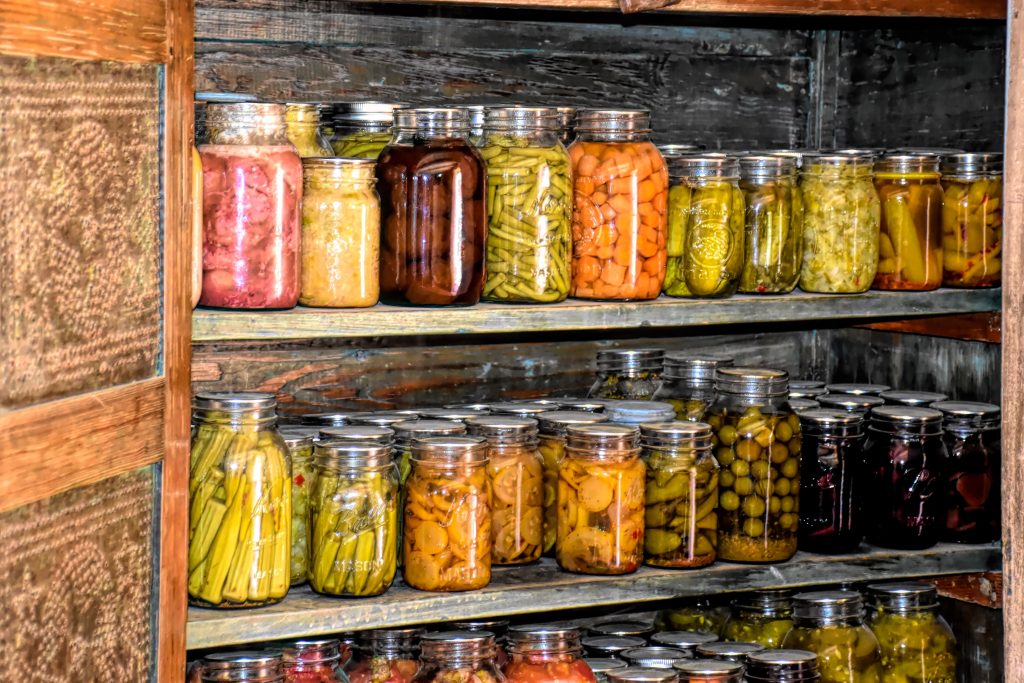
A well supplied cupboard

Let’s compare surviving with prepper supplies vs without prepper supplies and see which one is better for survival.

Surviving with Prepper Supplies:
Prepper supplies can include things like food, water, shelter, first aid, and tools. These supplies can help you stay alive in a disaster or emergency. For example, if you have food that won’t spoil, you won’t have to worry about going hungry if you can’t leave your house because of a disaster. Similarly, if you have water, you won’t have to worry about getting dehydrated. Prepper supplies can also help you stay warm and dry, protect you from the weather, and help you ask for help if you need it.

Surviving Without Prepper Supplies:
If you don’t have any prepper supplies, you can still survive, but it will be harder. You’ll need to use your skills and resourcefulness to find food, water, and shelter. For example, you can look for food that grows in nature, catch fish or animals to eat, and find water to drink. You’ll also need to know how to build a shelter using things in nature and start a fire without matches or a lighter. Surviving without prepper supplies means you need to know more things and be more creative.

Comparison:
Prepper supplies make survival easier and more comfortable, but they’re not the only way to survive. Surviving without prepper supplies is possible, but it takes more effort and skill.

Here are some things to think about when comparing the two options:

Convenience: Prepper supplies are easy to find, but without them, it takes longer to find food, water, and shelter.
Reliability: Prepper supplies are dependable and can last for years, but finding food and water in nature can depend on things like weather and where you are.
Cost: Prepper supplies can cost a lot of money, but finding food and water in nature is free, though it takes more work.
Comfort: Prepper supplies make survival more comfortable, but without them, it can be hard to stay warm, dry, and safe.

Conclusion:
Prepper supplies can make survival easier, but you don’t need them to survive. Surviving without prepper supplies takes more knowledge and creativity. Whether you choose to rely on prepper supplies or not, it’s important to know some basic things to stay alive in an emergency or disaster.

References:
– “Wilderness Survival Skills” by HowStuffWorks
– “Disaster Preparedness” by Ready.gov