5 Tips To Learning About Outdoor Sports

Outdoor sports are not everyone’s cup of tea, most people prefer other sports. Learning a sport may be a little difficult because most people do not engage in them regularly. However, there are easy and fun ways you can learn about sports;


  1.       Look out for outdoor sport events near your area

Nowadays, lots of outdoor sport events are held, mostly in sports clubs, ranches, etc. The easiest way to find out about such events is through the internet, mostly social media platforms. This can be a great way to learn about these kind of sports especially because you will participate and a lot of people attend these kind of events. What’s more, there are usually multiple sports taking place with competition and this makes it even more fun.


  1.       Try enclosed outdoor sports first

Hiking, rock climbing, skydiving and the other outdoor sports don’t sound fun to some people. So, instead of going for the actual rock climbing -or any of the outdoor sports- try indoor rock climbing first. Although it may not provide the same experience as the actual rock climbing, it may just ignite the interest you never knew you had. Also, it is a fun and easier way to learn about the actual outdoor sports.


  1.       Visit an outdoor gear store

Most of these store owners are professionals so, this way you learn about both the sport and gear from an expert. Also, you may have wanted to get gear for an outdoor activity you are interested in, for example hunting. You learn about the gear you want in depth and specificity for instance; the best rifle for squirrel hunting or the best bow for deer hunting, etc.

  1.       Suggest outdoor sports to your friends

Instead of you and your friends going out next time, suggest that you go for a forest hike or for biking. It is even a lot more fun when with friends than strangers and the more you take part in them, the more you learn about them. Also, don’t go for the same sports every time, try different ones. As long as your friends are for it, you will actually want to engage in them as compared to when you are alone.


  1.       Browse the internet

When trying to learn, you can never go wrong with the internet. Even though participating may be an excellent way to learn about outdoor sports, you don’t have to go that way. You can browse the internet and get all the information you require about a particular outdoor sport. You even get to know about the best places and terrains to go for the sports and the safety measures and precautions to take. Afterward, you can engage in the sport whenever you have free time.

Outdoor sports can be hectic if not well prepared for. Preparation is not only physically, but also mentally. So, if you intent to fully engage in these kind of sports then prepare well and don’t forget to get in condition.

Why Trapping Is Essential for Long-Term Survival

We’ve all seen those “survival” shows, claiming that one dude can wildly run around the woods, procuring all the necessities of sustenance through fashioning a makeshift spear from an old boat propeller and skewering a 10-point buck …but entertaining as that is, it just doesn’t work like that.

Securing meat sources is not one of those parts of bugout life you simply leave to chance “because we saw them do it on TV”, so thinking that we’ll be able to remain fat and happy only off an abundance of hares might not be productive. And, even if this were possible for the best of the backwoods experts, the rest of us need to consider the fact that we may not be that good. Being forced to learn such a craft during a survival situation is certainly not an optimal scenario.

However, even thinking that we’ll be able to make the tree line by the crack of dawn, carrying only ye olde’ Ruger 10/22, and taking home enough meals to feed the mobile homestead may probably be a disappointing fallacy, as well. Depending on where you live and how abundant game may be in your area, there’s a good chance you’re going to have to throw out all the stops in your quest to feed you and especially your loved ones.
trap

This is why learning the ancient art, wilderness methods, and backwoods traditions of trapping should be one of your top priorities. That is, if you want to sustain yourself on more than just the MREs you brought along for the ride.

Trapping Depends on Your Kit

It should be said right off the bat that not every type of bugout bag requires a comprehensive trapping kit. In fact, you might even be doing more harm than good if you load up your 72-hour emergency bag with heavy traps, depending on your fitness level and skill.

The reason I would not ordinarily advocate bringing along a long-term trapping kit in your 72-hour bag is simply because of the philosophy behind the scenario. Your 72-hour bag is simply meant for a temporary survival situation, in which you are hoping to be found and rescued shortly thereafter. Carrying along a large trapping kit doesn’t make sense, and that weight would better serve you if it were replaced by medical supplies, food, and signaling options.

However, that’s not to say that a modestly small trapping kit isn’t worth the weight entirely. Though, snares are considered a ‘low-probability’ trap, meaning that it is unlikely you’ll snag Peter Rabbit with one…if you set 20, you might just snag his brother too.

The strength of using lightweight snares is that these traps are nothing but rigged metal wires or cables (depending on what cable-weight suits your strategy). This shouldn’t take up large amounts of space and won’t weigh you down. In addition, they can also be used for other applications.

In the event that you lose your cordage, snares would do just fine in a pinch. They can be great for making shelter, trip cords, hafting, and if you were good enough to bring only stainless steel containers, you can use snares to hang your water bottle over the fire for boiling and cooking.

The weakness of using snares is their tendency to serve as a ‘one-time-use-only’, kind of trap. If the wrong critter happens to wander into the snare, which was set to catch a meal half its size, then you can pretty much say goodbye to that setup. Especially in freezing temperature scenarios, snares can even become brittle. When that happens, all bets are off.

Long-Term Sustenance and Heavier Traps

While snares are a great way to go in a short-term scenario, your long-term strategy should include substantially more trapping gear than that. Remember, even if you brought along 30 snares, depending on the kind of game wandering through your area (which isn’t always possible to know off the bat), you might tear up all your snares within a week.

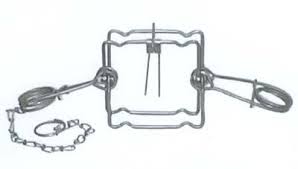
One of my favorite kinds of traps is the Conibear, which is considered a ‘body grip’ trap. Fortunately for those of us who are lovers of the backwoods and of the creatures who dwell therein, Conibear traps offer one of the most humane methods of the craft, offering almost a total likelihood of instant dispatch for the critter. Simply put, it wanders into the trap, trips it, and our furry MRE wakes up in small game heaven.

In addition, these traps are considered a ‘high probability’ trap, meaning that if something wanders into it – well, then that critter’s goose is definitely cooked. Unlike snares, where the animal has a fairly high chance of escaping (or being taken by a hawk, who’s probably laughing all the way back to its nest), Conibear traps will kill instantly, and secure the animal until you come and harvest.

It is usually recommended that you carry an assortment of #110, #120, and #220 Conibear traps, as each number indicates its size and spring-strength. The smaller #110’s are usually good for little critters, such as squirrels and rabbits, but the heftier #220’s will even snag a beaver. Strategize accordingly, but be aware that the bigger the trap, the harder it snaps, which increases your likelihood of broken fingers and lots of cussing–if handled carelessly, that is.

Also, bear in mind that if you bring along a trapping kit for sustained wilderness self-reliance, then you will need to be mentally and physically prepared to carry the additional weight. While the #110’s are a pound, and #220’s only weigh in at 2lbs, that weight can add up quickly.

Trapping Beauty

In this glorious age of modern trapping methods and gear, we now have traps that are rather easy to set, will last two decades if maintained, and are far more reliable than in the olden days. Of course, we’ve all heard the legends of Davy Crockett-types, ramblin’ through the woods with a musket and moccasins–but even these guys trapped to survive and make a living.

Simply put, trapping offers the survivalist, backwoodsman, bushcrafter, and explorer the means by which to hunt… without being present. Set enough traps (the proper way of course), and you’ve increased your chances of harvesting meat from the land. Do this while hunting or fishing, and you’ve increased your chances even higher. If you don’t use traps and rely only on hunting, then you’ve left your survival to the hard chance that game will just so happen to blunder into your sights–within range–and present you with a somewhat clean shot.

By the way, it might also be worthy to mention: traps will kill silently. Food for thought.

The understanding behind trapping is that it’s based on the concept of residual returns through increasing your chances, elevating your probability of acquiring meat sources. The more traps you bring, the better your chances. If frontiersmen thought this was important, then it must have been. Of course, I’d trust a Davy Crockett over “survival dude” any day of the week and twice on Sunday.


[source] – American Preppers Network

 

Top 5 Exotic Survival Honeymoon Locations In India

Most Romantic Adventure Destinations in India for a Perfect Honeymoon

A romantic trip to a beautiful place is definitely a big dream for every newlywed couple. However, if not planned well, the most beautiful memory of your life can be the worst memory ever. This includes the right kind of place, a comfortable hotel to live in, and a great plan! A great plan is possible if you take the help of a good travel company like exoticvoyages.com. India is a country that is home for diversity that is beyond anyone’s imagination, which makes it one of the best tourist spots in the world. From deserts to waterfalls, India has them all. Different people find different places as romantic since it’s widely subjective. However, I’ve got you a list of the 5 most romantic destinations in India:

  1. Goa

Goa is one of the most famous places for quick getaways from daily life and its stress. It’s a great place to have fun if you’re newlywed because it has a lot of things that you can do like surfing, partying, and romantic moonlit walks on the beach; that sounds dreamy, right?

  1. Gokarna

Gokarna is sometimes called the “Goa of poor people” because it offers you almost everything that you will get in Goa but under very cheap prices. You and your partner can take an evening stroll on the beach while enjoying the beautiful sunset. Gokarna has always been famous for temples that contribute majorly to Gokarna’s history. The famous Mahabaleshwar Temple, which is home to a huge Shiva Linga is said to play a key role in the naming the place “Gokarna”.

  1. Andaman Islands

I know I’ve been suggesting you a lot of coastal areas but beaches are bliss and I can’t help it. You can have a candlelight dinner by the sea and lie down on the cold sand under the roof of a thousand shiny stars. What makes the Andaman Islands different is that the water surrounding the island is so crystal clear that it’s a great place for scuba diving. Even if you don’t know to swim, I think you will give it a try because the underwater is beyond beautiful in Andaman.

  1. Munnar

Munnar is located in Kerala, popularly known as “God’s own country”. Kerala is well-known for its Ayurveda Shalas where you can book for healthy spa sessions. You can sit back and relax while enjoying a freshly caught fish when you’re on a houseboat in the green-lined backwaters of Alleppey and Kumarakom. You can also visit the tea plantations in Wayanad and click a bunch of memorable photographs.

  1. Manali

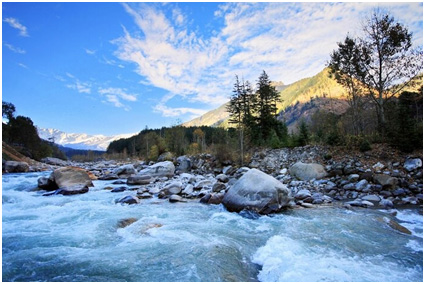
From beaches to rivers and now to the hilly terrain; yes, I’m talking about the snow-filled paradise of India which is Manali. Manali is so beautiful that it will make you feel like you’ve spent your honeymoon in heaven. Imagine you’re with your partner sipping wine in front of a small campfire and you spend hours talking to each other under a cozy blanket. That sounds really romantic, isn’t it? You can go on a trekking trip with your partner and enjoy places like the Rohtang Pass and the Kullu Valley, which are known for their spotless beauty.

Even though I’ve picked the above five places, there are so many other honeymoon destinations in India. These are the ones that I’ve included in the honorable mentions category which are as awesome as the above five places: Kodaikanal, Ooty, Coorg, Udaipur, Pondicherry, Rishikesh, Shimla, Mangalore, and Mussoorie.

Explore all of your adventure options at Exotic Voyages

These 5 Items Should Be On Your Survival Kit List

The average human can live up to three weeks sans food, but only three days without water. That said, the items that you include in your emergency survival kit, whether for venturing into the wilderness or for urban readiness, can spell life and death. Fortunately, you don’t have to be in a situation where you are left with no choice. You can increase your chances of surviving in almost any situation, provided that you have the right tools.

Ideally, the more items you have in your tactical survival gear, the easier it will be for you to survive. However, it also means that you add weight or bulk to your pack. While you obviously cannot carry your entire arsenal with you at all times (you’re not The Terminator), you can certainly select specific sets for different scenarios. There are also core tools that should also be present no matter the situation. Here are five of these essentials.

  1. Tactical knife

In a true survival situation, the chances of you needing to cut something are very high. Thus, you need a reliable knife that’s easy to handle, strong, and razor sharp. You will likely be using it for various purposes, so in place of getting a singular unit, you might want to have a multi-tool that also includes a knife feature.

READ: 8 BEST SELF-DEFENSE KNIVES : CHOOSE THE BEST BLADE TO PROTECT YOURSELF

  1. Firestarter

Fire in the wilderness or in the evenings is essential to maintaining your core body temperature (or to cook). Remember that it takes only 3 hours for the body to survive outside of its base temp. Having a trusty gadget takes the effort out of rubbing sticks together. Your kit should have three ways to start a fire. One is an automatic Firestarter, two is a regular box of matches, and three is a striker. Don’t forget to pack them in waterproof packs and separately.

  1. First aid kit

This is a critical kit that should be with you at all times. There are plenty of generic first aid kits at supermarkets, but you can expand them with pressure dressings and probably a compass, too. Study the pocket manual that came with the kit before you even head out, so you know what to do instantly and will not fumble when an actual emergency happens.

  1. Water or water filtration

No person can survive without water for more than 72 hours. Under non-threatening circumstances, an average human should also be drinking at least 1 gallon of water daily. Having a water bottle or a water filtration system ready ensures that you have access to safe drinking water at all times. It is especially helpful if you’re going on an adventure with a group because water in this setup can easily run out, and you might need to take some from an organic source.

  1. Flashlight or torch

Let there be light! Whether for venturing into an unfamiliar territory or walking at night, you will need light to navigate. Fortunately, there are many models that offer powerful illumination even with very small and lightweight bodies.

Of course, the most important tool you should have no matter where you are going is knowledge. Without knowing how to use any of these items, your chances of surviving are slim. Equip yourself with the ability to read weather signs, where to go and what to do in case of a natural disaster, what areas to avoid to secure your safety, and more.

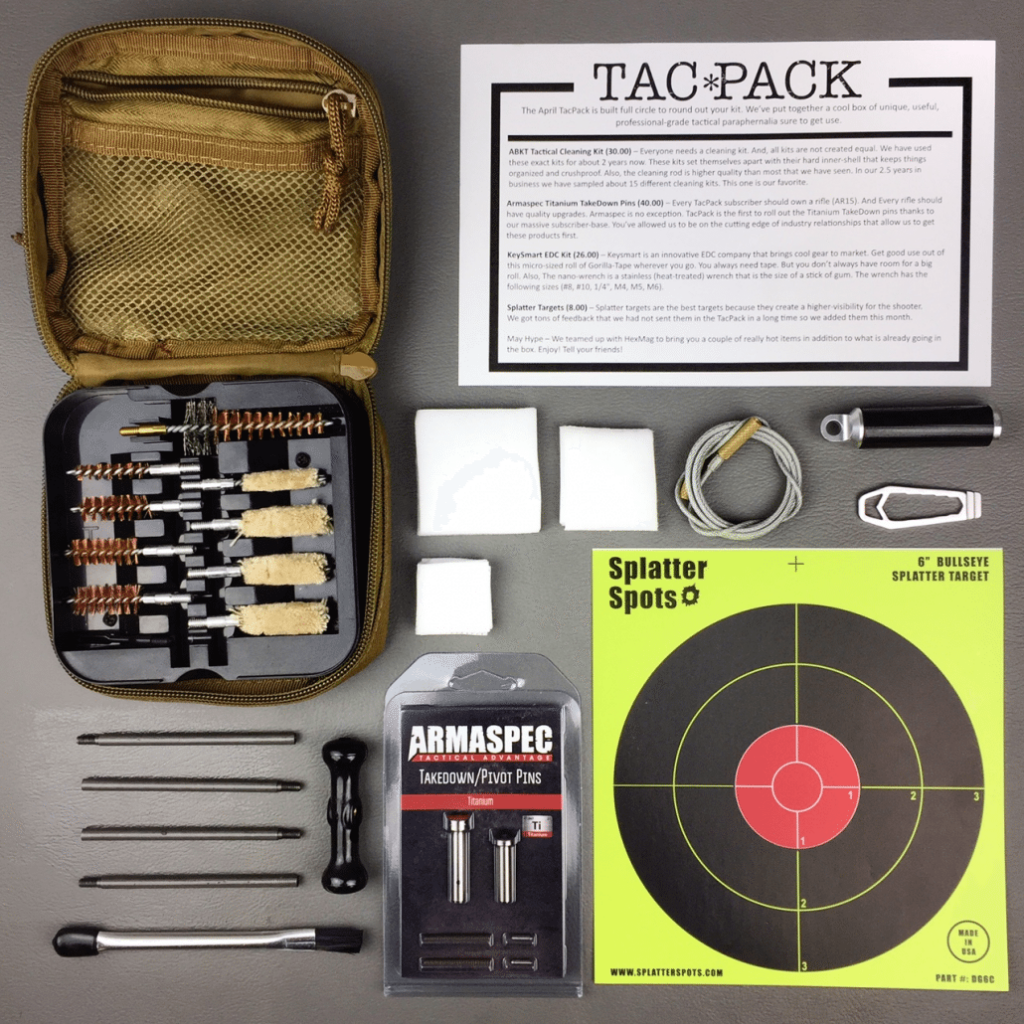
There are plenty of online resources and books that will teach you different tactics on how to protect yourself, whether in the wild, when out in the city, or even when you’re just at home. The monthly gear from TacPack also offers the latest gadgets and innovations that can help make you feel safer everywhere you go, without being heavy on the back and on the budget.


Staying Safe in an Earthquake – How to Be Prepared

Nobody wants to confront a major natural disaster. Yet some disasters – hurricanes, blizzards, and tornadoes, to name a few – come with warning signs, allowing for minor preparation and escape.

Earthquakes, on the other hand, happen immediately and with no warning. They are so all-consuming and widespread that you cannot jump in the car and escape them.

If you are in the impact zone, you will be affected. But the degree to which you are affected can be minimized. It all depends on how prepared you are for the quake. Preparation does take some time, but you will reap the benefits many times over in the event of a major earthquake.

What Is a Quake Like?

Ordinary life immediately precedes an earthquake. You are washing the dishes, watching TV, doing homework, or putting on a helmet for a bike ride. Then you feel that initial jolt.

You may not realize it at first, thinking that it is something else – that someone dropped something heavy. Then you become aware of the noises, of chandeliers rattling, the house frame squeaking, glasses dropping and breaking, car alarms going off.

If you are indoors, items that are not secured – books, TVs, glassware, and lamps – will topple and fall. Hanging items will begin to swing. As these things are falling, you become aware that you might just become the victim of one of these falling things.

If you are outdoors, trees sway and water sloshes out of swimming pools.

The first jerk is followed by several more back-and-forth jerks. You may find it hard to stand.

Even though most earthquakes last only seconds – rarely more than thirty seconds – it will feel like forever.

Right after the shaking stops, the noise continues: dogs barking, people shouting, alarms ringing. Milder aftershocks continue for minutes or hours. Your electricity has probably gone out. Water may not be safe to drink, or water mains may be broken. Gas lines may erupt.

You have just experienced an earthquake measuring 7.0 or greater on the Richter scale.1

Predicting Quakes

Unfortunately, no one can predict earthquakes. According to the U.S. Geological Survey (USGS), no scientists have ever predicted a major earthquake, nor are any scientists expected to be able to do so in the foreseeable future.

The best that scientists can do is produce tables that calculate the probability that an earthquake may occur. The milder the earthquake, the greater the probability that it will occur within the next 30 years. More severe quakes measuring 7.0 or higher on the Richter scale – those truly life-altering, disastrous quakes – are less probable to happen.

For example, because Southern California already experiences quakes between 5 and 6 on the Richter scale about four times per year, there is a 100 percent chance of another quake of similar strength happening within the next 30 years. However, because major magnitude-7.5 quakes have happened about once every 87 years, Southern California has only a 36 percent chance of another one happening in the next 30 years.2

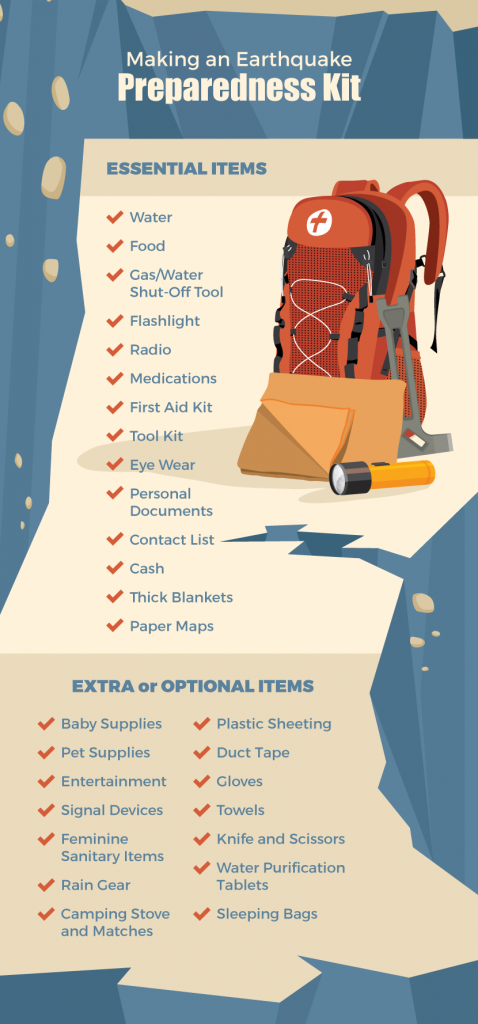
Be Ready: Making an Earthquake Preparedness Kit

To help make your recovery from an earthquake safer and more comfortable, you should stock up your home with a set of essential preparedness items. Keep these items stored in a clean, dry place.3

Essential Items

  • Water: One gallon per person for every day. Provide for a two-week supply of water.
  • Food: Non-perishable items such as canned food or dry camping food that can be reconstituted with water. Be sure to have a can opener as well.
  • Gas/Water Shutoff Tool: This specialized wrench fits gas and water shutoff valves and can be purchased at your local home improvement or hardware store.
  • Flashlight: Have both battery-powered and crank flashlights. Keep a full set of fresh batteries on hand, too.
  • Radio: Purchase a hand-crank radio.
  • Medications: These are essential daily prescription items that are needed to maintain regular health.
  • First-Aid Kit: Basic kit that has gauze, adhesive bandages, antiseptic, aspirin or ibuprofen, and heat packs.
  • Tool Kit: Small tool kit with screwdrivers, pliers, and a hammer. If you wish, you may substitute a multipurpose tool.
  • Eyewear: Extra glasses, contact lenses, and solution.
  • Personal Documents: Assemble a fireproof lockbox with prescription slips, home and car titles, birth certificates, passports, and all insurance policies, including homeowner’s insurance policy.
  • Contact List: Written spreadsheet or other type of list of phone numbers and addresses of relatives, close associates, local hospitals, and police and fire stations.
  • Cash: Several hundred dollars in small bills.
  • Thick Blankets
  • Paper Maps: Detailed maps of your local area.

Extra or Optional Items

  • Baby Supplies: Bottles, formula, diapers, food.
  • Pet Supplies: Food, ID, collar, carrier.
  • Entertainment: Books, cards, board games.
  • Signal Devices: Whistle, air horn, flares.
  • Feminine Sanitary Items
  • Rain Gear
  • Camping Stove: Stove with extra propane canisters and waterproof matches.
  • Plastic Sheeting
  • Duct Tape
  • Gloves
  • Towels
  • Knife and Scissors
  • Water Purification: Tablets or bleach.
  • Sleeping Bags

How to Make Your Home Safer in Case the Big One Strikes

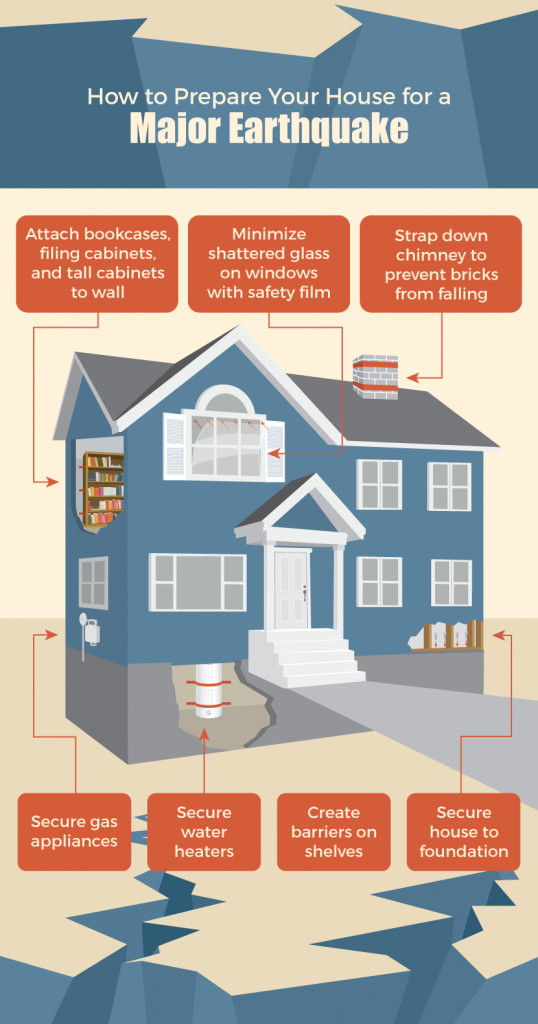
Chances are good that your home is not prepared for an earthquake. While your house may seem solid and safe, it is likely not ready for the rigors of a magnitude-7.0 earthquake. Undertake these projects now for a safer home:4

Secure Water Heaters

Secure heaters to walls with metal straps. These bands can be purchased as part of a kit, available at home improvement stores.

Attach Bookcases, Filing Cabinets, and Tall Cabinets to Wall

Affix any kind of furniture that can tip over to a wall stud, using a metal L-brace or a nylon strap.

Create Barriers on Shelves

Attach ledge barriers along the edges of shelves to prevent items from sliding off and falling.

Secure Gas Appliances

Attach flexible connections to allow appliances to shift without breaking their lines. As with the water heater, attach large gas appliances to the nearest wall.

Minimize Shattered Glass on Windows

Install clear or shaded safety film on windows. This will prevent glass from scattering across the floor.

Secure House to Foundation

Consult a contractor to install anchor bolts between the house framing and the foundation.

Strap Down Chimney

Attach reinforcing bars or metal straps to the chimney to prevent it from snapping and breaking off in the event of an earthquake.

During and After an Earthquake: Keeping Yourself and Your Family Safe

During The Quake5

DO:

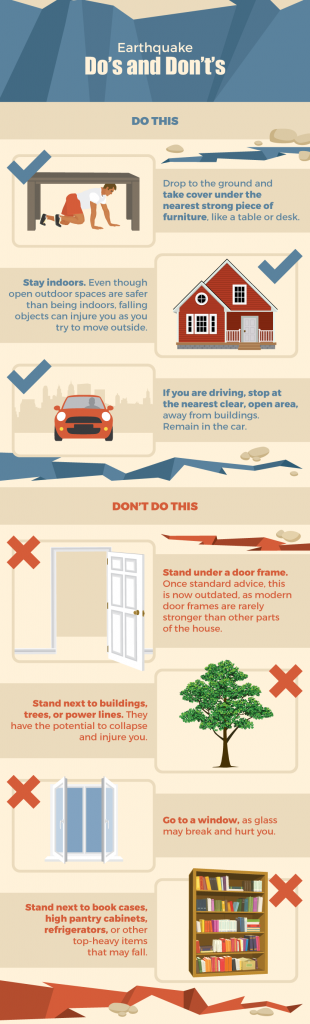
  • Drop to the ground and take cover under the nearest strong piece of furniture, like a table or desk.
  • Stay indoors. Even though open outdoor spaces are safer than being indoors, falling objects can injure you as you try to move outside.
  • If you are driving, stop at the nearest clear, open area, away from buildings. Remain in the car.

DO NOT:

  • Stand under a door frame. Once standard advice, this is now outdated, as modern door frames are rarely stronger than other parts of the house.
  • Stand next to buildings, trees, or power lines, which could collapse and injure you.
  • Go to a window, as glass may break and hurt you.
  • Stand next to book cases, high pantry cabinets, refrigerators, or other top-heavy items that may fall.

After The Quake

Even though the earthquake may last only seconds, the aftermath may go on for days or weeks to come. Follow these fifteen steps, in this order:

  1. Wait for the aftershocks to end.
  2. Check yourself for injuries first before assisting others.
  3. Put on shoes to protect yourself against broken glass.
  4. Check for fires and extinguish them immediately.
  5. Shut off natural gas and water lines.
  6. Move yourself and your family to the nearest open area.
  7. Open windows to ventilate your home.
  8. Check your house for structural damage.
  9. Begin gathering water from the water heater release valve, ice cube trays, and toilet tanks.
  10. Check sewer lines for damage before flushing the toilet.
  11. Inspect the chimney for cracks that may indicate potential collapse.
  12. Keep the freezer closed for as long as possible to retain the cold.
  13. Set up charcoal grill outside for cooking.
  14. Stay at home if at all possible. Roads will be impassable.
  15. Check your emergency radio for information.

Earthquakes are devastating events. Fortunately, you and your family can remain safe by following basic safety plans.


Source: Fix.com Blog

Sources:

  1. How Long Earthquakes Last – http://quake.utah.edu/regional-info/earthquake-faq
  2. Earthquake Probability – https://pubs.usgs.gov/fs/2015/3009/pdf/fs2015-3009.pdf
  3. Red Cross Earthquake Preparedness Kit – http://www.redcross.org/get-help/prepare-for-emergencies/be-red-cross-ready/get-a-kit
  4. 6. Prepare House for Earthquake – http://www.military.com/money/home-ownership/maintaining-your-home/tips-to-make-home-earthquake-ready.html
  5. Quake: Do This / Do Not Do This – http://www.nationalgeographic.com/environment/natural-disasters/earthquake-safety-tips/

Is It Safe To Use A Mattress Outdoors?

The approaching season might have you considering using a mattress outdoors.  The idea to transform your outdoor living space with the comfort of a mattress sounds appealing.  However, there are some aspects of moving a mattress outside the home that need to be analyzed for safety’s sake.

Material

Mattresses are made up of varying materials.  Most mattresses aren’t made to be stored out in the elements.  Fabric, foam and other materials will absorb moisture.  If a mattress is stored outdoors exposed to rain, it could become home to bacteria, mildew, and mold.  This could make your mattress unsafe and could cause sickness.  If you want to keep a mattress out, be careful to examine if your mattress was especially made to be used and stored outside.  Latex mattresses, like those found at Rest Right Mattress, are more resistant to dust mites, bacteria and mildew.  These mattresses might be better options for use outdoors with proper storage.


Storage

While sunshine on your face feels great, sunshine on your mattress will take a toll.  The life of your mattress will be greatly reduced if it is continuously kept out in the sun and wind.  Between uses, try storing the mattress away in cool, dry storage.  If not possible, you could create your outdoor nirvana under a protective canopy or in a gazebo.


Using a mattress outside can provide a restful and relaxing environment.  Even so, you must take note of certain outdoor pests that could invade your mattress.  While storage and mattress make-up could limit the infestation, you might not want to bring a mattress back inside once it has been left out.


The Top 3 Pros and Cons to Using a Crossbow Versus a Compound Bow

Hunters and people who love the game of archery will need a bow, obviously. The question in their head as they shop may be which one would suit them best. Is it the crossbow or the compound bow?

Archery sport helps players develop various qualities within them. For instance, since you will learn to shoot at multiple targets, you will need to have some level of focus. Therefore, these people are keen when they perform other tasks.

Today we will analyze different pros, cons of the crossbow, and the compound bow.

Crossbow

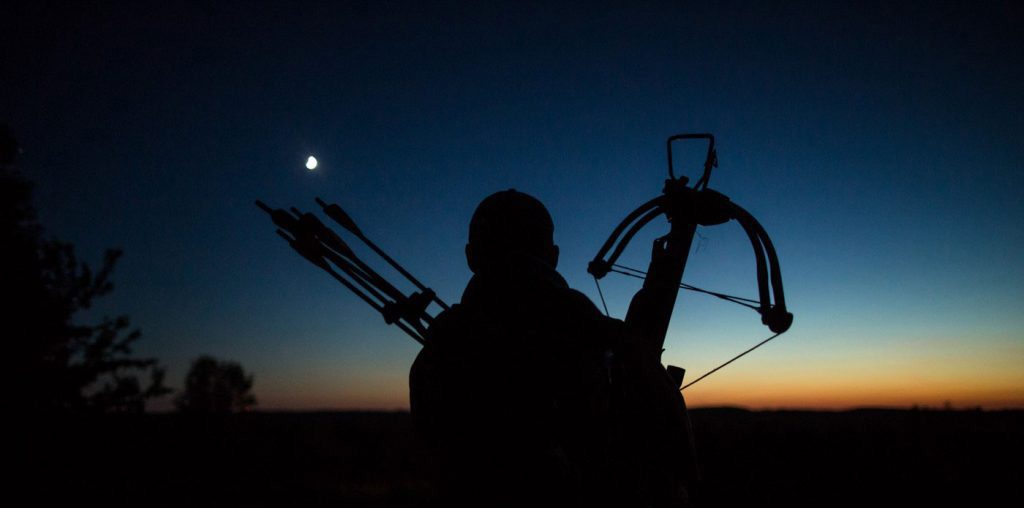
This modern bow works precisely as a rifle. It consists of distinct features that make it stand out and increase its power. The hunter will hold it in a horizontal position when aiming at specific targets.

Pros for using a crossbow

  1. Ease of use

Hunters love a tool that is quick in function. One benefit that the crossbow features is that you do not need hours to practice shooting at a target.

As mentioned earlier, it works exactly like a rifle; therefore, you only need to press the trigger to release the arrow. People with disabilities can use the bow since you do not require both hands necessarily.

  1. Power

Once you release the trigger, the shaft moves at lightning speed. Within a few milliseconds, the arrow can dig deep into the target’s surface or animal skin. The user has to use a lot of force to remove the arrow from the surface that it strikes.

  1. Accuracy

The bow has a scope fitted at the top for the user to aim the target with. This means that you do not spend a lot of time trying to point at the game or prey. The scope also assists when the light conditions are poor. For this reason, many people rely on this tool, especially when hunting.

Cons of the Crossbow

  1. The bow is heavy. It becomes a problem when you have to carry it for longer distances.
  2. The bow releases some noise once you press the trigger, which distracts preys if you are aiming at more than one.
  1. Some states limit the use of crossbows. Users need to check with their state laws to see if they need to acquire a license to use one within the state boundaries.

Compound Bows

This is also a modern bow. The user will hold it in a vertical position when aiming at a target. You will also need to pull the string to release the arrow, unlike the crossbow where you just press the trigger.

Pros of the Compound Bow

  1. It is ideal for people who are learning how to aim and shoot. While you do this, it helps to develop your focus.
  1. The bow is not noisy. This is suitable for hunters because you have the liberty of shooting at more animals without distracting other prey around it.
  1. Most love it because it is light. It has additional straps that ease the weight, especially when walking for long distances.

Cons of the compound bow

  1.  People use much time learning how to aim. This would be a significant disadvantage for beginners. You also have to learn how to focus when aiming at your target as well.
  1. They are not as powerful. Most people prefer to use the bow for the sport rather than hunting. The strength you apply on the string determines the distance that the arrow travels.
  1. Compound bows are not suitable for individuals with disabilities. Additionally, if you have an injured arm, it would be difficult to handle the bow.

Conclusion

The type of bow you choose depends on your preference. Check www.archery-den.com/best-crossbows/ to see the most suitable bow for you. You will find a variety of bows to pick depending on your budget.


5 Tips to Learning How to Hunt


Hunting is a favorite pastime of many. In fact, people have been hunting for years and it is a sport that has been able to bring family members together for centuries. In addition to bringing people together, hunting provides a great deal of food for one’s family and also helps the environment with natural population control. While there will always be some that do not believe in the hunt, there are cultures that rely on it for survival and see it as a way of life. If you have never gone hunting before, this article will provide some tips to help you learn how to hunt.


  • Slow and steady wins the race. No matter what you are hunting for, it is important to be slow and steady in your approach. The reason for this is that animals have a keen sense of smell and can hear things from farther away than humans can. New hunters tend to find the notion of staying still and moving slow to be a hard concept to grasp at first. One of the best ways to get the hang of being still or moving slow is to use your watch. Find a place to perch or hide and stay there for at least 5 minutes before you decide to slowly creep to another area.


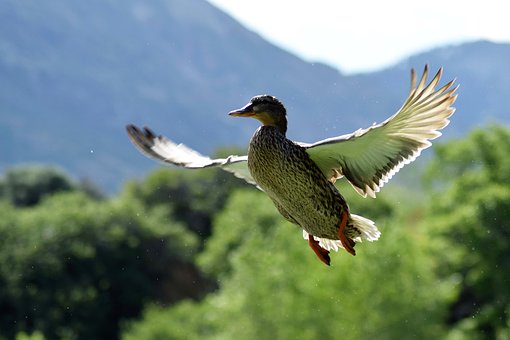
  • Stop when you hear noise. Whether you hear a deer, squirrel, or a group of ducks, when you hear a noise, it is best to stop and be still for a few minutes. When you stop and can be still, you can take in what is going on around you. If you make a sound and an animal is around, they will stand still and look around for a period of time. A duck may fly off into the distance while alerting others of the same species.


  • The environment can make a difference. Whether you choose to hunt during the day or in the early morning hours, the environment in which you seek animals or ducks makes a big difference. For example, if you are seeking out a duck, check to see which direction the wind is blowing. In addition, look for water holes as ducks are typically attracted to them. Setting up decoy ducks and using a good set of waders are important recommended tips for hunting ducks that should not be overlooked.


  • Bring proper tools. When hunting, it is important to field dress your prey right away or you will risk spoiling the meat. This is particularly true for deer meat but also for other smaller game. Make sure to bring along a pair of skinning shears as you should skin the fur off of smaller animals such as a rabbit or a squirrel as soon as you kill it. The reason for this is that the fur will come off easier when the animal is still warm. One of the most important reasons to handle this right away is that many animals carry fleas. Fleas can carry disease. When you skin the animal, you can get rid of the fleas before it has time to attach to the meat.


  • Dress warm and bring a canteen. It is important to dress for the weather and stay hydrated while you are out hunting. If you are out hunting for a full day you don’t want to get cold or dehydrated. Make sure you wear enough layers and bring waterproof clothing if you think there may be a chance of rain. It’s alway a good idea to workout how much fluid you need for the amount of hours you intend on hunting and pack appropriately.