Specialized 2014 Trail And Long-travel Bikes – First Look: S-Works Camber, Fat Boy Fat Bike And New Shock Tech – BikeRadar

This would make for an excellent Bug-Out Bike, lightweight and wider tires.

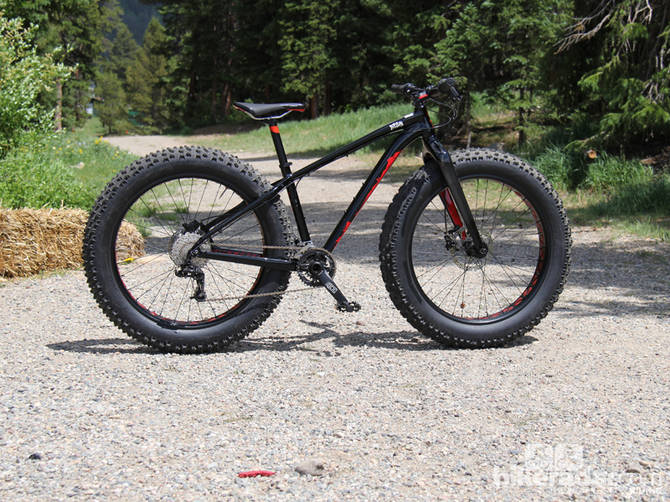
Specialized Fat Boy fat bike. The Fat Boy moniker has been in the Specialized line for more than two decades, gracing BMX race bikes and tires. It’s back for 2014, and is an apt title for the company’s first fat bike.

A size small Fat Boy weighs 14kg (30.8lb) with pedals

A size small Fat Boy weighs 14kg 30.8lb with pedalsIt appears that the California-based company has done its homework in creating this beast. The Fat Boy has an aluminum frame with clearance for 4.8in tires and a 100mm-wide PF30 bottom bracket. Front dropout spacing is 135mm, while the rear dropouts are set at 190mm.The tapered carbon fork is loosely based on the Chisel found on several of Specialized’s ridged 29ers, including the Crave 29 SL singlespeed and Stumpjumper Expert Carbon WC.One of the most interesting things about the Fat Boy is its rims, which feature a trusswork design that keeps them stiff and quite light by fat bike standards. They are 90mm wide, have a claimed weight of 795g each, and feature a hookless bead first used on the company’s carbon Roval wheelsets.

via Specialized 2014 Trail And Long-travel Bikes – First Look: S-Works Camber, Fat Boy Fat Bike And New Shock Tech – BikeRadar.

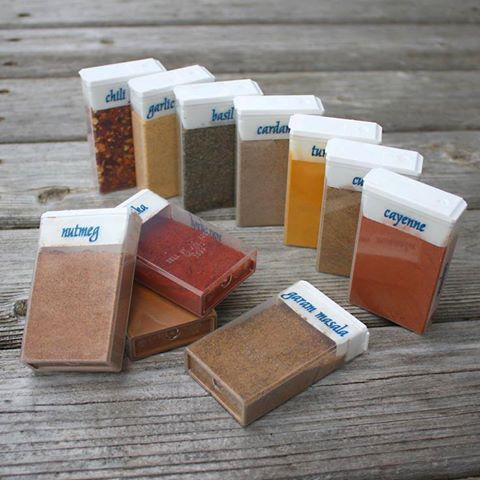
Repurposed Tic-Tac Boxes For Travel Spices

I’ve been using old prescription bottles, and plastic gum containers as travel and camping spice containers for years.

spices-tictac-bugout

But I never thought of this. It’s a great idea. These would be small enough to take in your bug-out bag, instead of big bottles of spices. Takes up way less space. Great for hikers, campers, and RVs too.


A Day At Smokey Mountain Knife Works

Our guest blogger OmegaMan recently visited the Smokey Mountain Knife Works, here is his re-cap of his great day at their facility.

A-Day-At-Smokey-Mountain-Kn

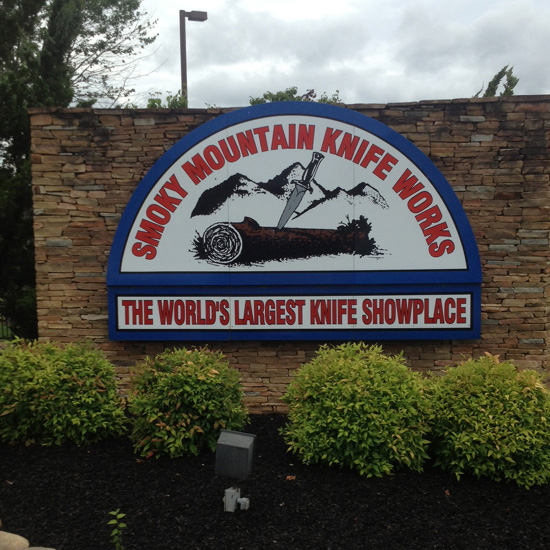
Located in Sieverville, Tennessee, Smokey Mountain Knife Works falls into the greater Gatelinberg, Pigeon Forge area.

They advertise themselves as a knife store “If It Cuts, We Carry It”  but you will not believe what is waiting inside for you..so much more than you ever imagined!

Upon first entering the large retail center you will be taken back by an amazing collection of Civil War rifles that are actually for sale. Dozens upon dozens of these ancient beauties line the walls and can be had for $500 to thousands depending on condition.

A-Day-At-Smokey-Mountain-7

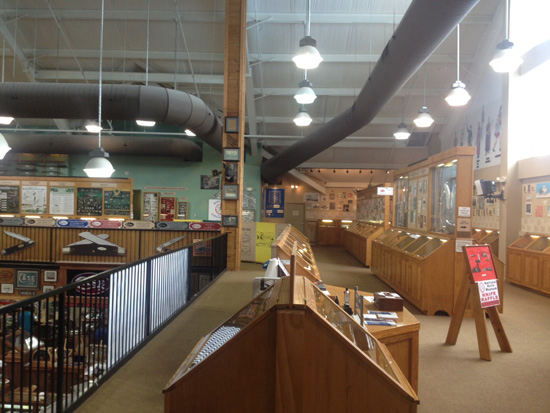
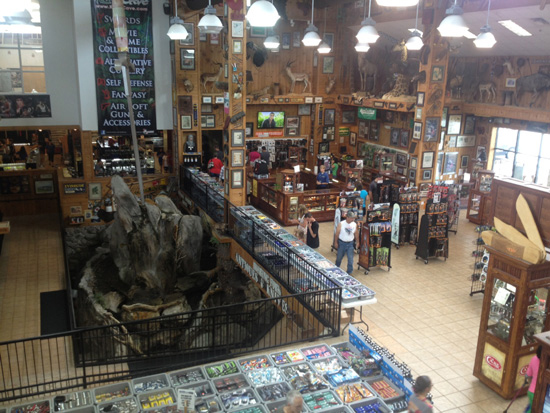
The greater retail space is broken into smaller sub sections mostly by manufacturer. Boasting over 2,000,000 knives….every knife you can think of is here from pocket knives to tomahawks. This is a multi-level store with the upstairs housing an amazing historic collection in their History of Knifes Museum. You could spend an easy hour alone tracing back the history and interesting evolution of blades.

A-Day-At-Smokey-Mountain-3

One section houses Camo gear, tactical vests, holsters, patches and related military garb. Need some MRE’s…there over there!

A-Day-At-Smokey-Mountain-5

Another is dedicated to Swiss Army knives. What an amazing assortment!

A-Day-At-Smokey-Mountain-4

Need an air raid siren…they have those too, although the clerk is only able to demonstrate it on a limited basis, (very loud in the building lol).

SOG Knives, United Cutlery, Case, etc, Mykel Hawke, “Gunny”, Gerber, Buck frost Cutlery, Gransfors Bruks…you name it… showcase upon showcase…over 157 brand names….unbelievable!!!

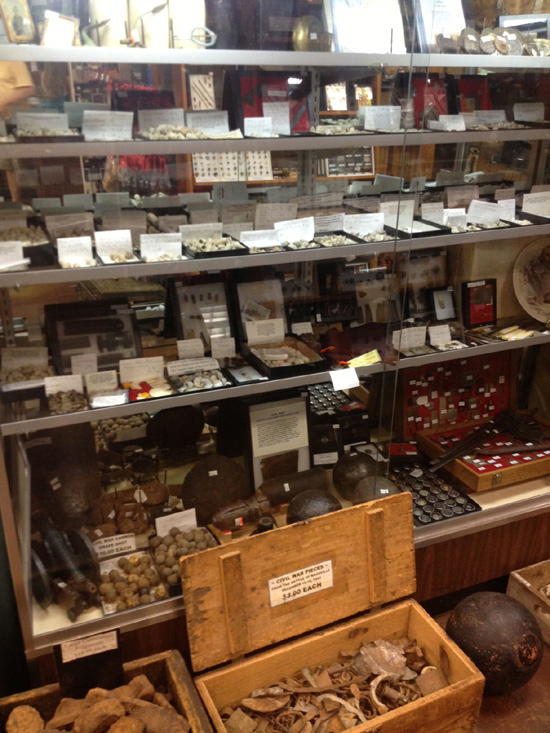
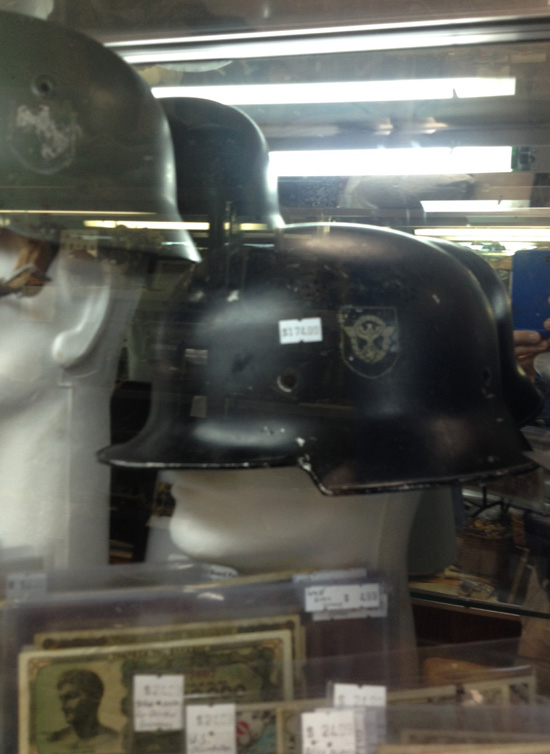
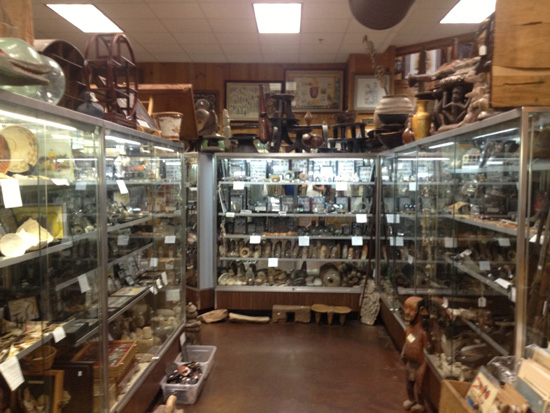
Downstairs was amazing too. An incredible assortment of collectibles. I mean fossils (trilobites and everything), Civil War relics , World War II items including helmets, uniforms, letters and photos. I could have spent all day in this area going through thousands of rare items. So, so cool. Beyond description!

A-Day-At-Smokey-Mountain-6

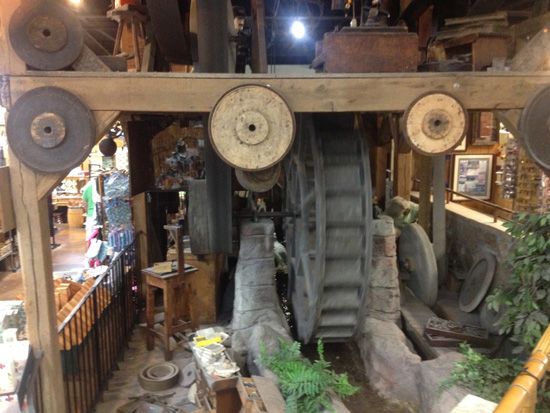
Country cooking and southern retail items took up a major part of the bottom floor as you walked by streams, and waterfalls meandering through water wheels and old mill machinery. Oh..look….”there’s a gattlin’ gun over there”…

A-Day-At-Smokey-Mountain-2

Most people only see the outside front of the beautifully massive 100,000 sf Smokey Mountain Knife Works outlet. Little do they know the company has another massive building in the rear. Employing over 250 people at any time, all were very courteous and knowledgeable.

Head on up to the greater Gatinberg, TN area, you will not be disappointed. There is so much to do from Dollywood, to the miles upon miles of tourist attractions in the greater tri-city area.

But definitely check out Smokey Mountain Knife Works. Every member of my family had so much fun and all took home something to remember!


read the next survival blog post


Bacon, Beans and Camping – What A Combination!

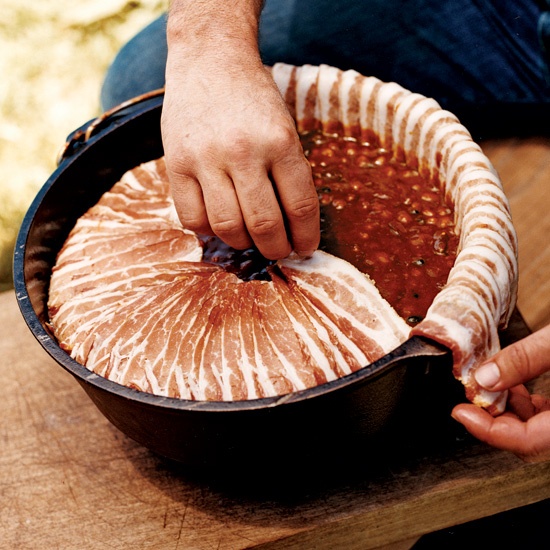
I’m always looking for new ideas around the campsite, and this looks like an awesome way to cook your favorite camp style BBQ Baked Bean recipe.

Plus, look at all that BACON, BACON, BACON!!!

Bacon, beans and the great outdoors!

That’s a whole lot of bacon! “Baked BBQ Beans “… Love the presentation … beautiful !

*Only one word of caution, make sure your tent is well ventilated in the night! 

Are you a Top Chef? Jobs for culinary specialists 

How To Prevent, Recognize And Treat Snake Bites

Although nearly 8,000 people are bit by venomous snakes each year, there are usually no more than eight deaths. However, this should not lead backpackers and hikers to believe it isn’t something to worry about. Snakes do not want to waste their poison on humans, but rather rodents and other small animals to feed on. If a bite victim is not treated quickly, the venom can be deathly. Even a bite from a so-called “harmless” snake can cause infection or allergic reaction.

Preventing Snake Bites

While in the outdoors, do not pester, bother, or provoke snakes or other animals as you are in their territory. Do not play with them or attempt to pick a snake up unless you are a trained professional. If a snake is to bite a human, it is merely defensive in nature and will likely only leave enough venom behind to cause illness.

Backpacking Tip:

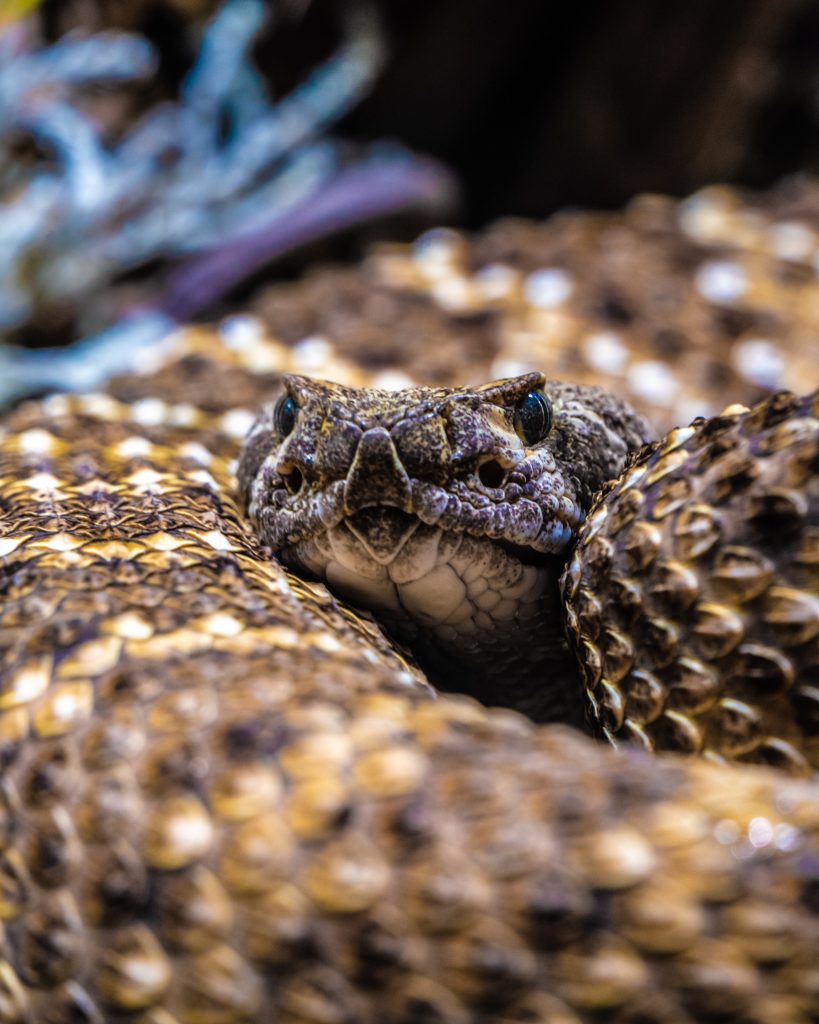
Rattlesnakes can strike from a distance of half their body length. Let the snake slip away, or walk around it. When scrambling up rocky trails, watch where you put your hands, especially on sunny ledges.

Avoid hiking in areas where snakes are known to be. Stay out of tall grass and on the trail as much as possible. If you must invade snake territory, wear long pants, ankle-high boots, or even snake-proof gaiters. Also, be careful when stepping in areas where snakes could be hiding, such as under rocks or logs. If you are entering an area where you can not see your feet, kick ahead of you to give snakes enough warning and time to slither away. However, always keep your hands and feet out of areas where you are unable to see them. Also, be careful around rocks or while picking up firewood.

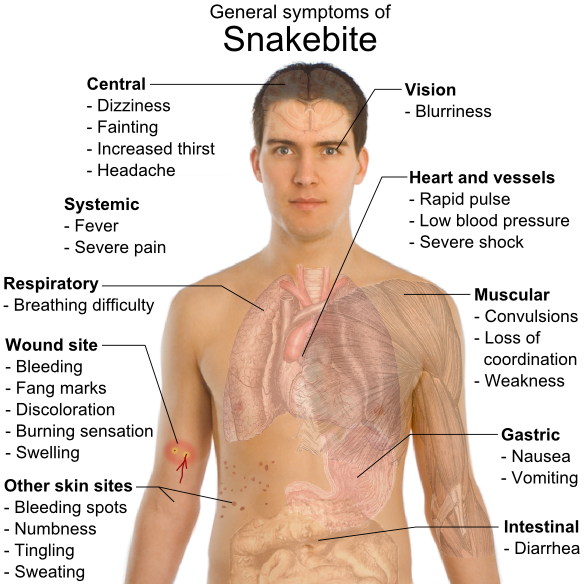
Snake Bite Symptoms

  • Bloody wound discharge
  • Fang marks or swelling at wound
  • Extreme localized pain
  • Diarrhea
  • Burning sensation
  • Excessive sweating
  • Fever
  • Rapid heart rate
  • Weakness of body
  • Loss of muscle coordination
  • Blurred vision
  • Dizziness
  • Nausea and vomiting
  • Numbness or tingling
  • Convulsions
  • Fainting
Symptoms compiled from the University of Maryland Medical Center. For a more in-depth map of these symptoms, see our Common Snake Bit Symptoms Map.
Snakebite_symptoms

All snakes will attack if they feel threatened or surprised, but only a handful are actually venomous. In any case, treat every bite seriously while you are backpacking or hiking. This list includes the:

  • Rattlesnake
  • Cobra
  • Copperhead
  • Coral snake
  • Cottonmouth Water Moccasin

Snake Bite First Aid Procedure

    1. Keep the snake bit victim calm, keeping them still and quiet. Restrict movement, and keep the affected area at or below heart level to reduce the flow of venom.
    2. Remove any rings or constricting items and clothing as the affected area may swell.
    3. Allow the bite to bleed freely for 15 – 30 seconds before cleansing.
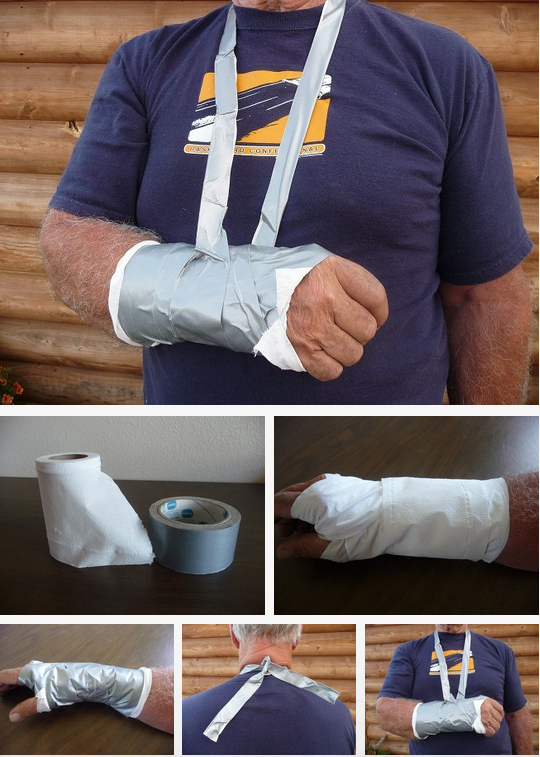
    4. Create a loose splint to help restrict movement of the area.
    5. Contact medical help as soon as possible (see below).
    6. Evacuate the victim immediately by hiking to a car, a helicopter, or medical staff.
    7. Monitor the person’s vital signs — temperature, pulse, rate of breathing, and blood pressure — if possible. Watch for any signs of shock (sweating, clammy skin, or shallow breathing), since the fear of having been bitten is often more dangerous than the bite.
    8. Attempt to identify the snake or, only if can be done safely, bring in the dead snake. Do not waste time hunting for the snake, and do not risk another bite if it is not easy to kill the snake. After it has been killed, a snake can still bite for up to an hour, so be careful while transporting it.
Snake Bites

Seek Medical Attention

Call 911 or your local emergency number immediately if someone has been bitten by a snake. If treated correctly, many bite victims will not have serious injuries. However, medical support needs to know the correct anti-venom to use, as this is the only treatment. Attempt to identify the snake or remember its appearance in order to let the hospital or poison control what type of anti-venom is needed.

You may also call the National Poison Control Center at 1-800-222-1222. The center can be called from anywhere in the United States. This national hotline number will let you talk to experts in any kind of poisoning. You may call them with any questions regarding prevention or treatment. This national number is connected to all the local poison control centers. It does NOT need to be an emergency to call the National Poison Control Center – you may call them for any reason 24 hours a day, 7 days a week.

The Six Don’ts

      1. Don’t let the allow the victim to engage in strenuous physical activity. If necessary, carry the person to safety. Otherwise, have them hike out slowly without their pack so they are not over-exerted.
      2. Don’t apply a tourniquet. Restricting superficial blood flow does keep the venom from spreading, which you want to avoid. Concentrated venom will rapidly destroy cells. Allowing it to spread will dilute the toxin and reduce tissue damage.
      3. Don’t apply a cold pack. Cold reduces healthy circulation to the infected area. Also, some experts believe snake venom increases vulnerability to frostbite.
      4. Don’t apply a suction device. Removing the venom by suction was once standard procedure, but is no longer considered safe treatment. These devices generally to not remove a substantial amount of toxin and can damage sensitive tissue.
      5. Don’t let the snake bite victim eat or drink anything, including medication and alcohol, unless okayed by medical staff.
      6. Don’t cut across the bite marks and attempt oral suction. Because snake fangs are curved, the pocket of venom will not be where expected and will probably have already spread. Plus, many snake bites are considered “dry,” where there was no toxin released into the victim. This may also increase the risk of infection in the area by having an open wound.

Additional Resources

[source]

The Zombie Apocalypse The Survivor’s Meme

This is a pretty cool meme project we came across and wanted to share.

the_zombie_survivor__s_meme_by_lordknightxiron-d3kvthg

Pretty self-explanatory – draw yourself (or a character) as a survivor in a zombie apocalypse, and include your preferred zombie bashing weapons and your safety/survival equipment. Then post and pass it around!

examples:

suvivor_meme___sean_by_lordknightxiron-d4fgf0x my_survivor___cathlynn_by_grimnyt-d5i8eaq

Have fun! Be sure to share yours with us.

Download Full Meme Image Template: Click Here

Related: Knives & Weapons

There are no products in this group.


The Importance of Survival Caches

A Survival Cache is essentially a hidden storage for important survival gear/supplies that you can go to in the event that your home has been destroyed or you’re unable to get home for whatever reason. Caching your supplies is a highly recommended action for several reasons. Just as squirrels bury their nuts before winter to provide food in spring, you too can learn something from nature. Here are a few good reasons for caching:

Small geo stash

  • If the disaster has destroyed your home and has damaged your main supplies, you’ll have a back up to keep you going.
  • If for any reason your house is looted and ransacked, you can dig up a cache.
  • If you’re forced to leave your home (either by looters or natural disaster), you can live on by digging up a few caches.

If the crisis persists for a long period of time, you’re likely to have looters and raiders going from house to house, demanding your supplies or your life. Historically they’ll only kill you if you put up a fight and really you should just give them what they want (unless you’re prepared to take them on). Another alternative to protecting your self from looters is to just hide your supplies in your own home. Don’t bother storing your food in the obvious places (like the kitchen) it will be the first place they look. If they can’t find it, they’ll just go to the next house.

Supply cache

The best way to hide your food is to bury it. You’ll need airtight containers, I suggest 5 gallon buckets and you’ll need to plan ahead. Bury your supplies at night so nobody will see you, and bury your supplies next to memorable object (not in the middle of a field). You could make a map to remember where you hid everything but it’s recommended you just remember the information and keep it in your head (it’s much safer there). Bury your caches next to signs or next to other memorable object so you don’t lose them. It goes without saying but try to get the ground to look normal after you’ve buried the supplies.

A safe trick is to keep a small amount of food in the kitchen or some obvious place, so that if and when the looters come by they can just take what they want and be on their way. If you want to make sure they don’t come back… poison the food! You’ve got to be creative. Hide your food in the walls, the floors, and odd locations around the house. Try not to advertise your supplies and don’t make a point of telling people that you have a year supply of food. Word gets around fast so don’t be surprised if get a lot of knocking on the door when shit hits the fan. You’ll be better off telling people you have nothing.

[source]