Waterproof Your Survival Gear

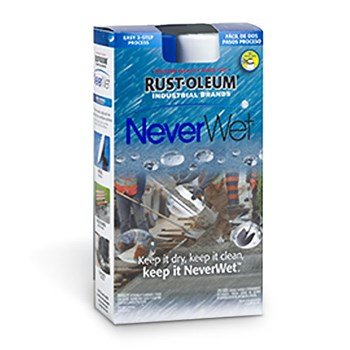
A big thanks to our guest-blogger OmegaMan for turning us on to this great waterproofing product. Although we don’t carry it in our line of premium survival products, it is readily available from hardware stores or Amazon Rust-Oleum NeverWet® Liquid Repelling Treatment Kit

This waterproofing system could be used in many ways on your preps, waterproof all of your survival, hunting, hiking, fishing, camping, or outdoor gear.

See OmegaMan’s video test of this product:

  • NeverWet liquid repelling treatment is easy to apply and dries to touch in 30 minutes.
  • Treated surfaces repel mud, water, ice and other liquids. The durable treatment can be used on tools and equipment, work boots and gloves to repel water and mud.
  • Protects gear and equipment from moisture and significantly reduces or eliminates clean-up. Use on surfaces indoors and out.
  • Not intended for application to electronic products
  • Sold as a two-part kit that can effectively treat from 10 to 15 square feet.


Note:  Works great if you know when and how to use it.

Some guidelines:

Yes, this does work. It repels water completely. However, it does leave a white haze ( and if you don’t see that haze, you probably haven’t used enough to be effective).

If you spray this on white shoes, fabrics, etc….the haze really isn’t noticeable. Works great on white athletic shoes! Also on canvas slip ons, etc.Water and other liquids roll right off. But I found that I had to reapply often on items which got heavy wear. Still, if you do this diligently, your items should look newer longer.

While product literature says not to apply to clothing, work boots are noted as acceptable. So work boots are not considered “clothing”…just in case you’d classify them that way.

So….NEVER wet? No. It does wear off and will not last forever. But while it is effective it is VERY effective. so it definitely keeps items looking newer. Just keep that milky color in mind. I wouldn’t spray it on black fabrics.


Available on Amazon

Carry What You Can, In As Many Ways You Can

Bike-Straps-BugOut

Create some (unusual) bike storage in the main triangle of your bike, using straps.

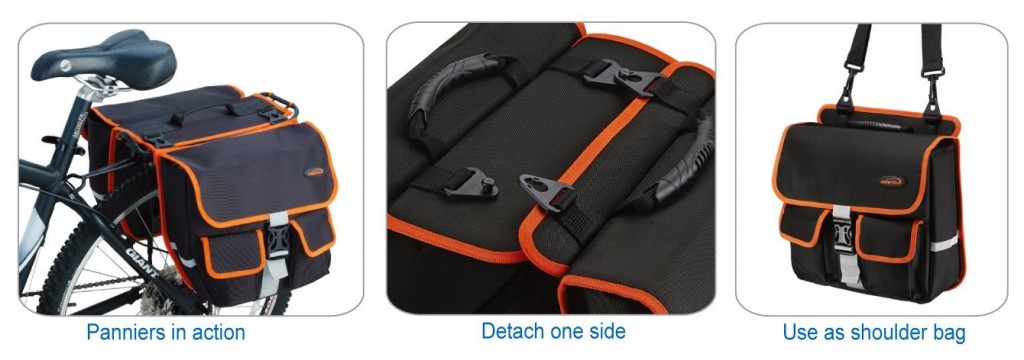
Or, use a more traditional means of extra bike storage, like a basket or carry bags. Also remember that you should have your Bug-Out bag on your back as well.

bicycle-carry-bags

It’s a good idea to have a two-wheeled bug-out option in addition to a car, truck, motorcycle, walking, etc… You never know what the situation will be like.

Have multiple options ready.

[image source]

Going Off The Grid: Want to erase yourself from the web?

How to erase yourself from the web or from just specific websites?

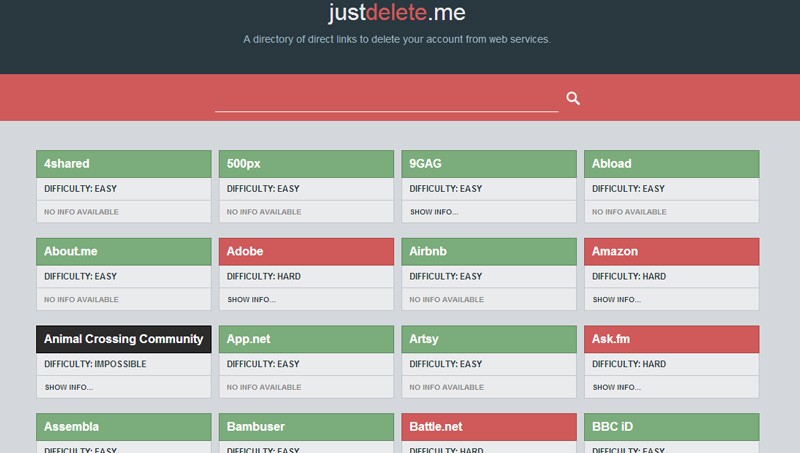
Just Delete Me is a directory of links for deleting your accounts from a variety of websites and services, along with indications of how difficult it is to delete yourself from those places (ranging from easy to impossible). It’s a little alarming just how many sites make it impossible to delete your account.

EraseYourselfScreenshot

With recent scandals of government tracking, who isn’t thinking about how much of their own life is stored up on some data collection server somewhere.

This is a great resource if you’re trying to figure out which web technologies you are going to erase yourself from and go totally OFF THE GRID.


Is Your Office Survival Ready?

Office Safety

Picture this: A building inspection officer shows up at your office and wants to know about your emergency plans—evacuation, fire extinguishers, smoke alarms, and the like. What do you tell him? Would everyone in the office be able to explain where those things were and how to use them?

Well, if you don’t know the answers to those questions, perhaps it’s time to find out.

As with other types of emergency preparedness, preparedness at the office constitutes having an emergency evacuation/lockdown plan and being prepared with emergency supplies. Office personnel should be educated on how to implement these plans and know where to find the emergency supplies and how to use them, if possible.

Evacuation plan

Know where the exit is to your office building? Good—that’s a start, but “mass stampede to the door” does not constitute a very thorough evacuation plan. Even if you are a very small company in a tiny office, it’s a good idea to think through procedures for what you would do in case of emergency. After the attacks on 9/11, an estimated 13,000 to 15,000 people successfully evacuated the World Trade Centers, and it is thought that this can be attributed to improved evacuation plans after the 1993 fire. Don’t wait for the aftermath of an emergency to get prepared—while your evacuation plan may not be to such a large scale, you should know at the very least who should go to what exit in order t get everyone out quickly and safely and how to shut off gas, water, and electricity.

The U.S. Department of Labor’s Occupational Safety and Health Administration (OSHA) provides a step-by-step guide (www.osha.gov/Publications/osha3088.pdf) on how to develop an emergency action plan for your workplace. According to the OSHA, not every business is required to have a plan, but emergencies can strike regardless of whether you’re required to have a plan or not, so every business would do well to have a plan to protect its personnel.

Emergency supplies

Basic office emergency supplies include a first-aid kit, a fire extinguisher, and a defibrillator, along with other supplies specific to your workplace (such as an eyewash station if you work with harmful chemicals, for instance). It’s also a good idea to be prepared for long-term emergency situations where employees may be trapped in the workspace for an extended period of time—Year Zero Survival Gear provides a full range of emergency kits that include food, lighting, hygiene supplies and more to sustain groups of people in these kinds of situations.

Unfortunately, emergencies don’t wait until after 5:00 to strike. Employ good preparedness  principles and have peace of mind at home, at work, and at play.

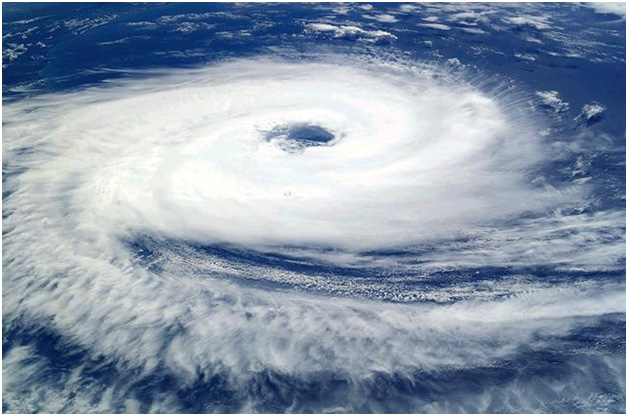
6 Tips To Prepare For A Hurricane

Learn how planning ahead can help you protect your family, your home and your belongings in a dangerous storm.

Content provided by Allstate
be ready for major storms and disasters
When the weatherman tells you to take cover because a hurricane is on the way, the last thing you want to do is worry about whether you are prepared. A little effort now—before catastrophe strikes—can yield big savings (and peace of mind) in the future.
These 6 tips can help you plan ahead so you never have to face a storm unprepared.
1. Check your insurance coverage to make sure it reflects the current state of your home. Consider adding flood insurance and coverage for additional living expenses in case your home is uninhabitable after a storm.
2. Doing a home inventory can save you time and make filing a claim easier, ensuring you don’t forget anything. Document the contents of your home with a video camera or other home inventory tool. Keep receipts for valuable items and consider separate coverage for these things.
3. Protect your property by installing the following items in your home:

  • Hurricane shutters or keep ¾ inch outdoor plywood boards for each window. If using boards, be sure to install anchors and pre-drill holes so you can put them up quickly.
  • Head and foot bolts on doors for extra protection.
  • Hurricane straps or clips to help hold the roof to the walls of your home.
  • A safe room that can withstand high winds and flying debris.
Also, be sure to keep up with your landscaping; diseased and damaged tree limbs can become serious hazards in high-speed storm winds.
4. Stock your emergency supply kit with basic survival items. You’ll want to have a 2-week supply of water and ready-to-eat, non-perishable food for every family member and pet. If you evacuate, you’ll want a 3-day supply of the same. Other items to add to your supply kit include:

  • Manual can opener
  • Essential medicines including eyeglasses and contact lenses
  • Personal hygiene items such as toilet paper, toothbrush and toothpaste
  • Change of clothing
  • Paper towels, hand sanitizer, and eating utensils
  • First-aid kit
  • Battery-powered flashlight and radio with extra batteries
  • Blankets, pillows and sleeping bags
  • Mosquito repellant and citronella candles
  • 2 coolers—one for food, one for ice
  • Plastic tarp for roof/window repairs and tools
  • Special items for infant, elderly or disabled family members
5. Have an established evacuation plan to help reduce stress. If you don’t have transportation of your own, make arrangements now with friends or family members and don’t forget about the pets!
You want to make sure the whole family is covered, so identify an out-of-state contact that everyone will call if separated and establish a meeting location at least 50 miles inland.
Lastly, gather important papers to take with you:

  • Driver’s license or personal ID
  • Social security card
  • Proof of residence (deed, lease or utility bills)
  • Insurance policies (home, auto, flood, wind)
  • Birth and marriage certificates
  • Stocks, bond and other negotiable certificates (yes, they’re stored online as well but in case there’s no disaster in the Worldwide Web – keep thinking)
  • Wills, deeds, and copies of recent tax returns
  • Personal checkbook and any unpaid bills
6. Don’t take silly risks like running back into a home that’s been destroyed or refuse to evacuate when you’ve been ordered to, just to salvage material possessions. Things can be replaced, but people cannot.

Just Like The Squirrels, It’s Time To Prepare For Winter

Just like squirrels scurry around storing acorns and other winter food sources, we should too. Squirrels collect and store nuts so they’ll have food to last through winter, have you stored your food for the winter?

squirrel

And not only food, but other essential items too, like water, fuel, wood, first aid, paper goods, candles, solar panels, batteries, seeds for next year, etc…

Think in bulk, add items from your local supermarket, several types of flour, basmati rice, short grain rice, couscous, quinoa, black beans, kidney beans, lima beans, pinto beans, chopped tomatoes, yeast, salt, sugar, spices and herbs, dried peppers and onions, masa, cornmeal, powdered milk, vinegar, coffee, and more.

Here are some of our favorite bulk long-term food storage buckets:

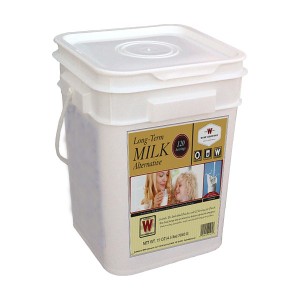
120 Serving Milk Bucket FSK120

120 Serving Milk Bucket

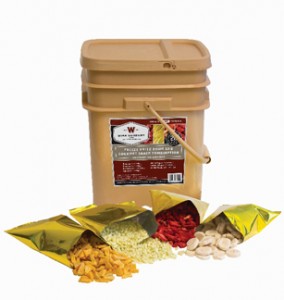
120 Serving Wise Fruit Buckets

120 Serving Wise Fruit Buckets

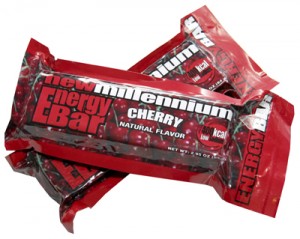
Millennium Energy Bar (Cherry) - 400 Calories

Millennium Energy Bars

And don’t forget to add some fire-starter materials, in case of long term utilities outage.

Every fall we get the urge to store away provisions for the coming winter. Having supplies on hand is the way to survive when you live in inclimate weather zones. So do like the squirrels and add to your winter stash of food.

It’s A Trap – 6 Must Learn Traps And Snares

Whether you’re and avid outdoorsman, hiker, camper or just planning for the downfall of the modern world, these are 6 must learn traps and snares if you ever get stuck in the woods:

Its-a-Trap

Practice each one, so that when the time comes and you need to use one you’ll be ready. Small-game snares can be made from the interior strands of parachute cord, braided strands of sinew, or fishing line. [source]