Why Prepping Is So Important Right Now

image source

Due to the ongoing COVID-19 Pandemic, the world is in chaos. People are rushing to the nearest bank so they can withdraw their stimulus checks and buy necessary supplies. Others are sheltering away in their homes hoping things will pass. However, there is a risk that things are going to get much worse before they improve. This is why many people have been preparing for such events for a long time. They knew something like this would come along and they wanted to be ready. Prepping can help you prepare for these troubling times.

Within this guide, you’re going to learn more prepping and why it is so important right now.

Troubling Times

The world is going through turmoil. You can see it all around you. When you go to the store, you see people wearing masks and trying other tactics to protect themselves. Simultaneously, oil prices have dropped significantly low so times are critical. Anything can happen in the next few days so it is pertinent to be prepared during these troubling times. Consumers should do what they can to protect themselves. They should stockpile food and find shelter.

Otherwise, it might be too late.

Being Ready

A lot of people were ready for the Coronavirus and it is likely a sign of things to come. The world is spiraling out of control and the next major event may be far worse. It could come in the middle of the night and people may be caught off guard. If this happens, people won’t be able to rush to the grocery store and buy every day. This could create a significant problem for people who haven’t prepared. With that being said, it is pertinent to be ready. You should make sure that you have a stockpile of goods so you can be ready for anything that comes your way.

Puts Your Mind At Ease

You can find an abundance of prepping tips by visiting Preparing with Dave. So, why should you get involved in this practice? What benefits will it provide? Well, there is a good chance that you stay away at night worrying about life and the pandemic. You may worry that things are going to worsen. If you’ve found yourself in this type of situation, there is a good chance that you have trouble sleeping and you want to look for a solution to this problem. If this is the case, you should start preparing as soon as possible.

Once you’ve done so, you’ll know that you’re ready for everything.

How To Get Started

Getting started prepping isn’t too difficult. However, you’ll need to develop a prepper mentality. Once you’ve developed a prepper mentality, you’ll be ready to conquer the world. You’ll know what you need to do. You’ll also find items that you need to collect. This includes water and food. You’ll also need to find shelter. Remember that it is pertinent to prepare over a period. Do that and you won’t have to splurge on everything at once. Prepare over a period so you can balance your budget easier.

Hunting With a Crossbow for Beginners

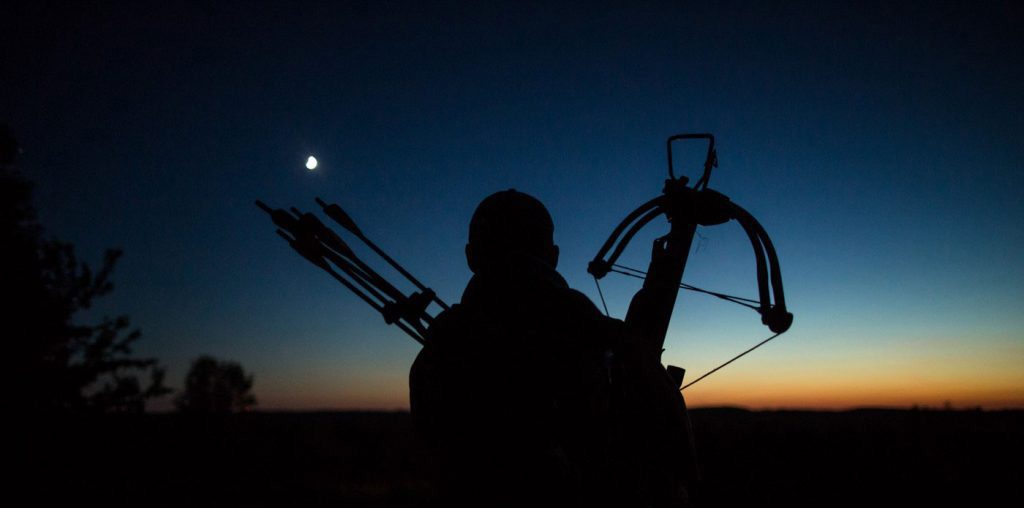
For the people who are interested in hunting, a crossbow can be a good weapon for beginners. A crossbow is a kind of ranged weapon that uses elastic to launch a missile, in this case, a projectile that can hit your target and kill it. Just like all the other kinds of hunting weapons, a crossbow can be accurate and suitable for hunting. It can be fun using this hunting weapon for people who are just beginning to engage in this activity. You can learn more here by reading along. In this article, we shall discuss some things beginners need to know about the use of crossbows and how to choose the accompanying projectiles for a better hunting experience.

Crossbow for beginners - Year Zero Survival Blog

Here are some of the hunting tips you need to know when using a crossbow as a beginner:

Crossbow Configurations

The fact that many companies manufacture crossbows means that you may be confused about what to choose. However, with some basic knowledge of some features of crossbows, you would be better off. Crossbows come with a stock and a bow. These fit together to form the whole weapon, the crossbow. The difference in many types of crossbows is in the style of a bow that will be attached to the stock. In this regard, there are three designs, which are the Reverse Draw, the Compound, and the Recurve.

Consider crossbow draw weights

This is a very important factor that one should consider when buying a crossbow as a beginner. This refers to the number of pounds it will take you to draw back the string into the cocked position. This ranges from 90 to 260 lbs and should play a very important role in the speed of the arrow after it has been released from the crossbow. With this feature, one needs to consider their strength and know the amount of poundage they can comfortably draw back on the crossbow.

The limb configuration and the length of the power stroke are other factors that can determine the speed of the arrow. If your draw weight is great, your bow becomes more unforgiving. As such, your shooting errors will be many. You will also increase the wear and tear of the components of the bow.

Know the crossbow arrow speeds

The crossbow arrow speed is a very important aspect that can help beginners become better hunters. Modern crossbows come with arrow speeds that range from 265 to 400 fps. You see, the faster the arrow speed, the further and the flatter you can shoot it. With this in mind, you should be able to take the big game with ease. However, it is good to note that bowhunting requires one to be as close to their target animal as possible. Regardless of the arrow speeds of your crossbow, you may not always achieve your goal. Archery is not a long-range sport and one needs to know this while they buy a suitable crossbow. This way, you will not be disappointed. And in any case, as a beginner, you should develop your skills by using the basic crossbow before you can buy the more powerful weapons.

What are the benefits of crossbow hunting?

This is one thing you need to know as a beginner so that as you engage in this activity, you can be encouraged at the same time. There is a wide range of benefits that come with crossbow hunting. These are:Crossbow hunting is good for wildlife management. One good thing with crossbow hunting is that it encourages wildlife population control and management. For the areas that are overpopulated with animals, such as game parks, game reserves, and even forests, crossbow hunting will help in controlling the population of the animals. Consequently, there will be a healthy growth of the wildlife population.

Good for recreation purposes. This is a good recreational activity that beginners in hunting can engage in. You can utilize your free time in this adventure and help relax your mind as you try to look for targets and hit them. It is also a good chance for you to socialize with other people who engage in the same activity. You will get to learn from each other. This is a good way to grow your hunting skills and hunting engagements.

In conclusion, one must be aware of the rules and regulations of hunting in their countries, States or Counties. Regardless of the fun and the adventure that comes with crossbow hunting, you could easily get yourself into jail if you do not follow the regulations laid down in your country. You need to know all there is to know about hunting certain animals in a particular jurisdiction. This way, you should enjoy your crossbow-hunting expeditions as a beginner.

Top Five Survival Knots That Everyone Should Know

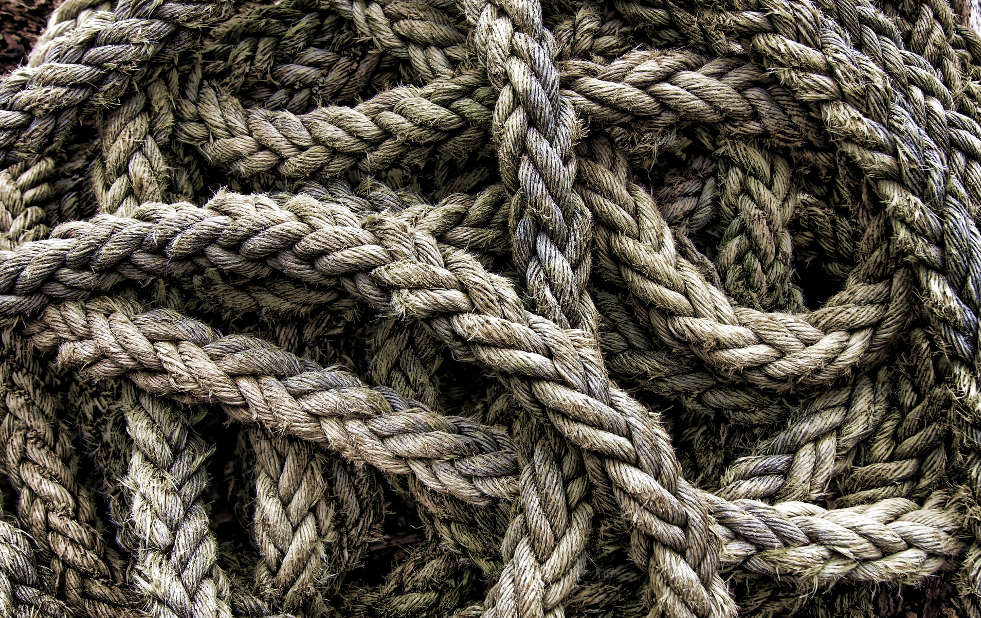
Bundle of brown rope

The most essential survival tool available to you today is knowledge. Expensive, all-weather sleeping bags, weather-proof rucksacks and boots that cost more than your TV are all well and good, but when it comes down to it, survival is about ‘knowing’ how to survive. As the famed survival instructor Mors Kochanski said: “the more you know, the less you have to carry”.

Granted, heading out into the wilderness in just your underpants is not something we’d recommend. But, having the fundamental knowledge of being able to build shelter, find food, start a fire and have access to clean drinking water are all essentials to have stored away in your memory. Part of this fundamental learning process should be for you to understand key knots and how to tie them.

Here, we take a look at five knots that are vital for survivalists to have under their belt!

Bowline

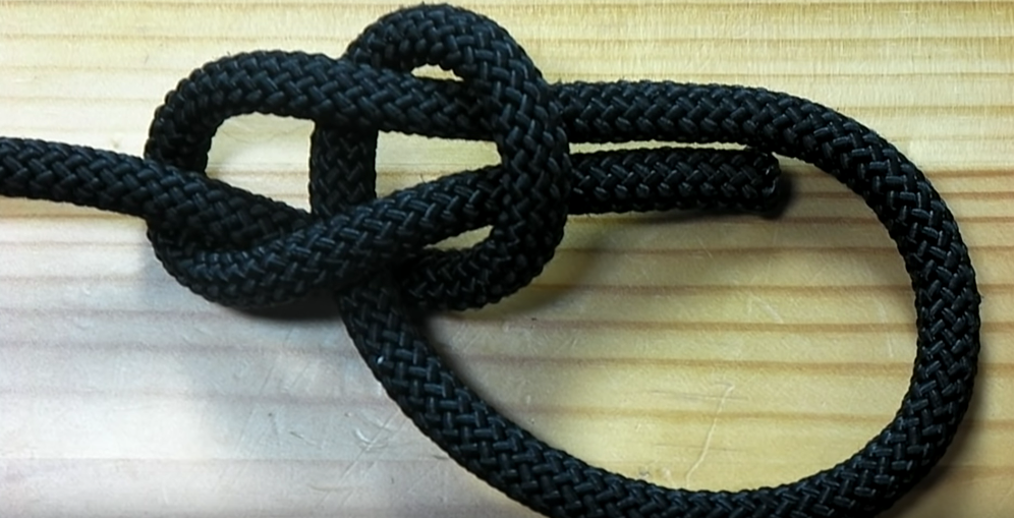
Bowline knot laying on a table
Image Source: NightHawkInLight

One of the sturdiest and strongest knots in the arsenal of a survivalist, the bowline knot is one that everyone should know. Its design means it can hold a lot of weight without the threat of untying, with the knot increasing in tightness the more pressure that is added.

Uses

A bowline can be used for a myriad of things, such as hanging objects and food from trees, or hanging things from your pack if you don’t have space inside, such as spare boots or cooking pots. If you’ve been hunting with your air rifle or a survival knife, you could also hang your catch from a tree to drain the blood and prepare it for cooking.

Additionally, the knot can be tied around oneself, even one-handed, which makes this one a useful style to have nailed down.

Disadvantages

When gravity is the sole force on the knot, such as things hanging straight down, then this is a great knot. However, when the bowline is pulled in a side-angled direction, it can loosen and potentially come undone.

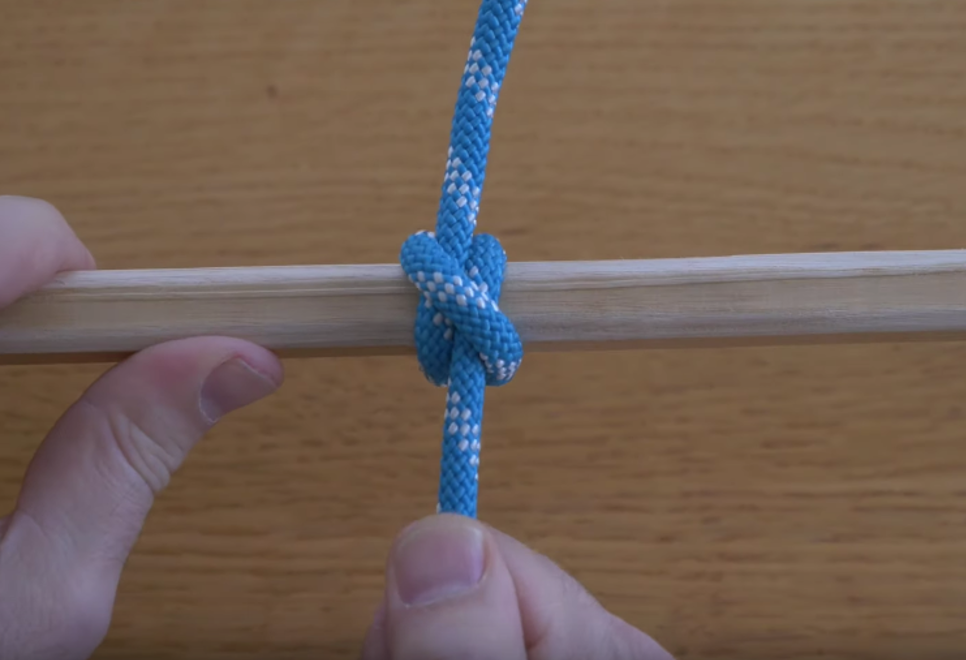
Clove Hitch

Man tying clove hitch knot on wood
Image source: Jason Eke

Have you ever wondered how to make an effective fishing rod in the wild? Well, the clove hitch is what you’ll need. This particular knot is used to attach your rope or cord to another object, such as a long fishing pole. This is an effective knot and is super easy to tie.

Uses

Because the clove hitch can be adjusted without untying the knot, this makes it especially useful for raising or lowering heavy items. It could also be used for anchoring or creating a shelter.

Disadvantages

Much like you would check a tent when you’re camping, we’d suggest inspecting the knots regularly if you’re using them for a shelter for an extended period. Wind and rain may eventually loosen the tightness of the knots, so this is something to bear in mind. It’s also worth noting that the knot works best when there is constant pressure being applied, as this will keep it tight.

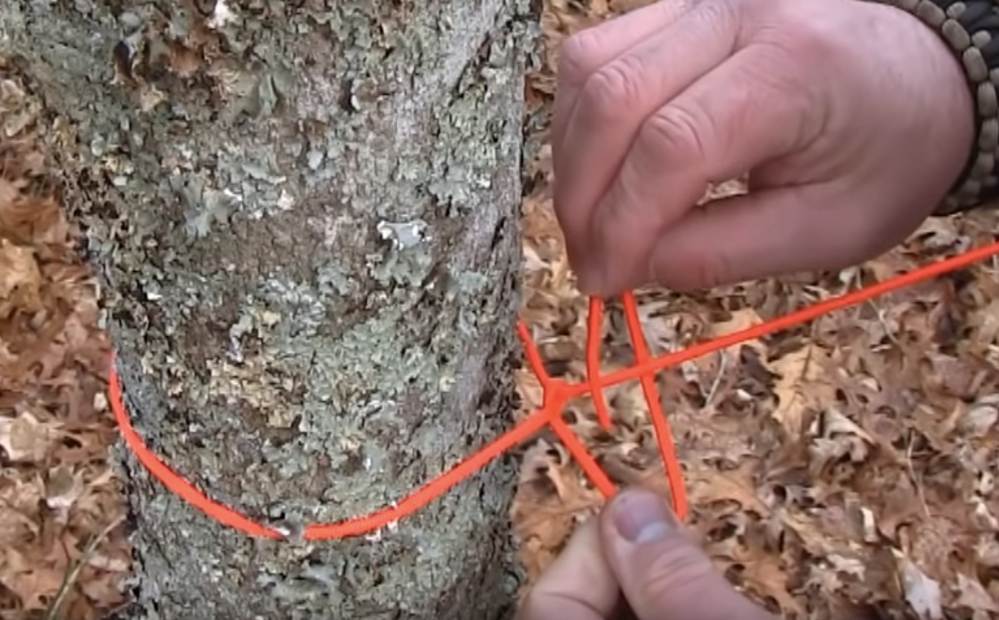
Half Hitch With/Without Bight

Man tying half hitch knot around a tree
Image Source: Nature Reliance

Have you ever wondered how to make an effective fishing rod in the wild? Well, the clove hitch is what you’ll need. This particular knot is used to attach your rope or cord to another object, such as a long fishing pole. This is an effective knot and is super easy to tie.

Uses

Because the clove hitch can be adjusted without untying the knot, this makes it especially useful for raising or lowering heavy items. It could also be used for anchoring or creating a shelter.

Disadvantages

Much like you would check a tent when you’re camping, we’d suggest inspecting the knots regularly if you’re using them for a shelter for an extended period. Wind and rain may eventually loosen the tightness of the knots, so this is something to bear in mind. It’s also worth noting that the knot works best when there is constant pressure being applied, as this will keep it tight.

Half Hitch With/Without Bight

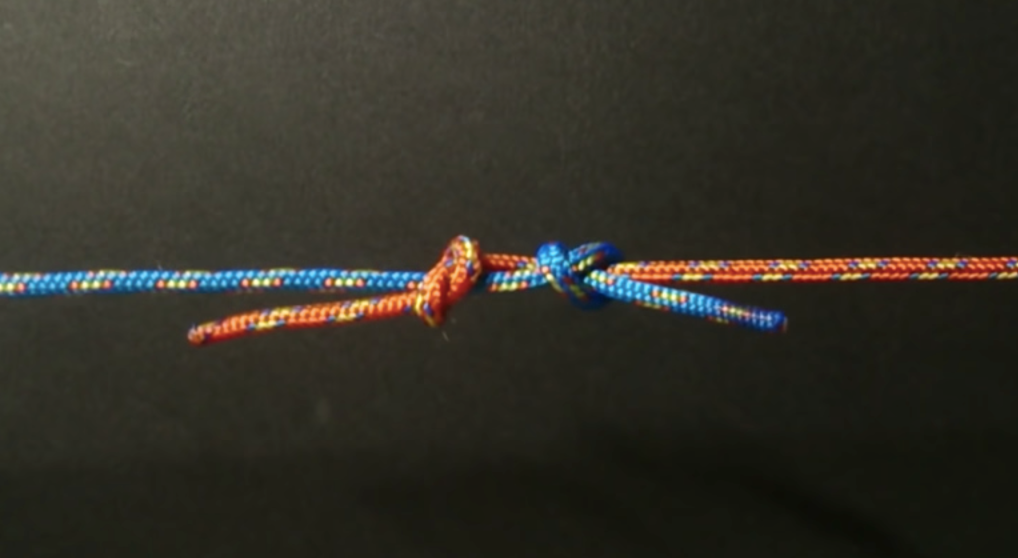
Fishermans knot made from blue and red cord
Image Source: Nature Reliance

The fisherman’s knot is very good for a specific purpose: combining two separate pieces of cord or rope together without the risk of them untying. That being said, it serves this purpose extremely well and may help you out in a pinch!

Uses

The knot gets its name from the fact that this would often be the first one that anglers and fishermen would learn, as they would tie any loose pieces of line together and could also use it for attaching hooks to their line.

The knot doesn’t slip under strain either, making it good for climbing and the working ends can be cut close to the knot without the risk of failure, once the cord has been pulled tight.

Disadvantages

This knot is particularly difficult to untie, especially if you have cold or wet hands. In theory, this would be used as a permanent fixture rather than being something you may want to untie in the future.

Chain Sinnet

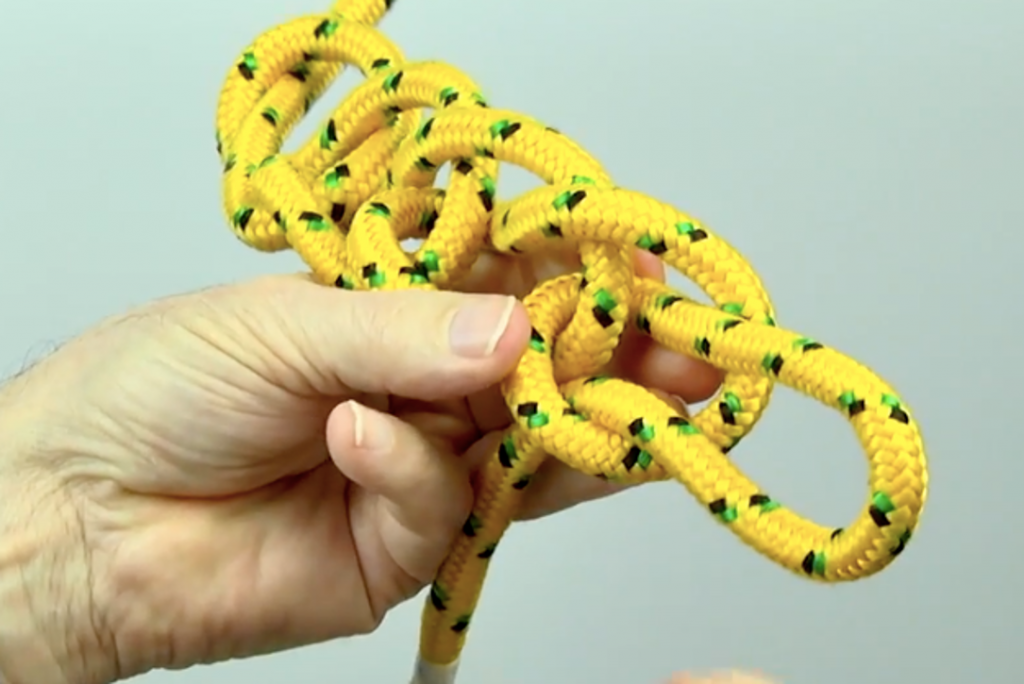
Chain sinnet knot made with yellow cord
Image Source: Richard Mcleod

The chain sinnet is not necessarily a knot, rather a way to store rope when not in use. But, it does involve arranging the cord in such a way that it becomes easily accessible and doesn’t tangle, so for that reason, we’ve included it.

Uses

As mentioned, the chain sinnet is perfect for storing rope or cord when not in use and allows you to easily access it whenever you need it, without having to unravel or untangle anything. You can also access as much as you like without having to unfurl all of the cord, meaning that any you don’t need will remain in the chain formation.

Disadvantages

Outside of being useful for storing string, cord and rope, the chain sinnet doesn’t really serve too much of a purpose in the wider survival community. That being said, it will make your life easier, so it’s not one to completely ignore!

For more tips on survival and wilderness skills, including how to fish with basic equipment, check out our survival blog here!

Important Skills Survivalist and Preppers Need

Finding Food

Finding food in the wilderness is just a small piece of the challenge. Some people think that you can find food on bushes or animals roaming around and go back to eat. It’s a lot more difficult than you think it is to hunt down animals or even fishing. You will need to understand and learn the techniques so that you may practice.

You must understand what type of wild animals are actually worth eating in terms of how much energy you are putting in. Then you need to research what is the best way to bait them in and hunt them down.

The truth is that for survival, eating raw vegetables and fruits are better than anything else, but why stop there? You need to know where to find food and how to prepare it in the wilderness, before you will be ready to survive there. It’s no good going back to eat when you are dehydrated or starving because your family will be too hungry and too cold to eat. So what should you eat? Here are some suggestions for food in the wilderness: https://matteroftrust.org/62-edible-wild-plants-that-you-didnt-know-you-can-eat/

Shelter in the Wild

Finding shelter in the wilderness is a challenge that most people do not face every day. Most of the people who leave their homes and try to cross the wilderness are just a little crazy about adventure and have no idea what the right way to handle the situation. If you are in the same boat as these people, then your first step should be to get your mind off the wilderness and focus on yourself and your situation. Here are some tips and suggestions at Survivaltechie.com you can take to help you find a good place to stay in the wilderness.

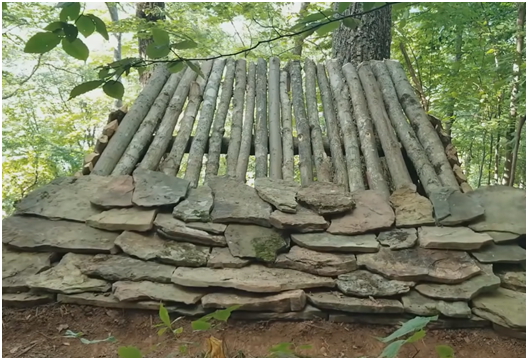
Learning to identify which areas for building shelter is an essential part of planning. Depending on terrains and weather, it would be smart to know all the options. For example if you know it is going to be in a wet or rainy area; you would want to look for high ground areas with rocks. That way you can keep yourself and your equipment dry.

Finding shelter in the wilderness is a challenge

Are You Ready For Cooking in the Wild?

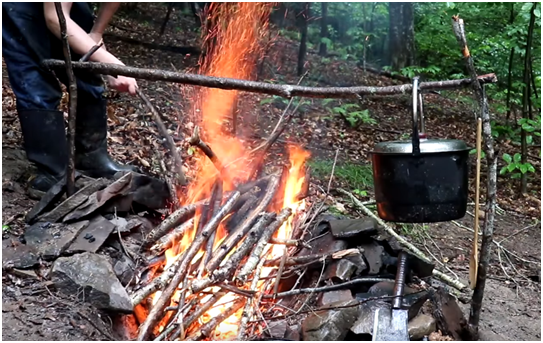
It is very important that any person considering a move to a remote area seeks out cooking in the wilderness insurance before making this decision. You want to be sure that you have an insurance policy that covers your needs if you become stranded and unable to get home by your own means. This is especially important if you are going to be cooking with your new family and trying to cook with the in-season ingredients that will be available in your new location.

cooking in the wilderness

Hunting Skills

Hunting in the woods is an adventure. It doesn’t have to be. It’s when we can be “wild” and a little off the grid. A hunter has the advantage in that he or she is not just in the woods, but with the weather as well. Some areas are quite hospitable to the hunter who knows how to handle the woods. Hunters are different from fishers, for example, because they don’t usually have a full time job; they get to spend their time hunting year round, and catching fish on the days they go fishing.

Hunting in the woods gives you an advantage over other hunters, and the entire game itself. Deer, rabbits, and even moose can be found in the woods. The best way to begin is to scout out a location. There are many places you can start. They range from horse camps to log homes, off of a creek, and even a hunting lodge.

When you get to the spot, you need to make sure it is safe for hunting. Not all areas are safe. One place you can go and ask is if the area will allow you to use a tractor in hunting in the woods. You’ll probably be told yes, but before you do, make sure you find out what the laws are, and make sure that the area you are hunting is hunting only. If there are animals and they are eating what you are taking, you could possibly be sued for a violation of the hunting laws. So always check to see if you can hunt in the woods. Whether it’s deer, moose, elk, bear, or even bear cubs, you never know what you might encounter.

Stay Prepared, Stay Resourceful

Being resourceful in the woods is hard work. You need to have the right knowledge of how to handle different kinds of situations that come your way.Resourceful in the woods starts with being aware of the weather. Know what it is going to be like before you head out. Being resourceful in the woods, also requires that you have a complete list of medicines, supplies, and equipment that you need to take with you when you go out to hunt. You may need to find emergency cell phone numbers or, even, an area where you can rest while you are out. It is important to know what to do if you get lost. Being resourceful does not just apply to the woods. If you ever find yourself stranded in the middle of nowhere without food, water, or even shelter, being resourceful will allow you to survive. Knowing what to do when you are in the woods will also help you if you ever encounter an emergency situation.

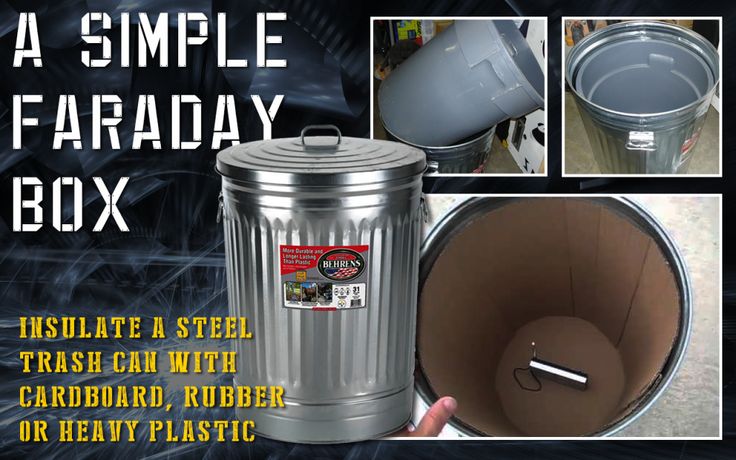
Make Your Own Simple Faraday Box

A Faraday box is the easiest way of protecting most small electrical equipment that can be unplugged from the power source.

A Faraday box is a metal box designed to divert and soak up the EMP. If the object placed in the box is insulated from the inside surface of the box, it will not be affected by the EMP travelling around the outside metal surface of the box. The Faraday box simple and cheap and often provides more protection to electrical components than “hardening” through circuit designs which can’t be (or haven’t been) adequately tested.

Many containers are suitable for make-shift Faraday boxes: cake boxes, ammunition containers, metal filing cabinets and so on. Despite what you may have read or heard, these boxes do NOT have to be airtight due to the long wave length of EMP; boxes can be made of wire screen or other porous metal and be equally effective.

The Faraday box is a great solution assuming that you aren’t using the equipment when the event occurs.  (not likely)  It is highly advised that you prepare a “back-up plan” Faraday box filled and ready for such an occasion.  Shortwave radio, weather radio, small television, spare telephone and anything else you may need after.

Do remember that the power grid will likely be wiped out so anything you keep will have to run off of a fuel powered generator.  You should be focused on staying informed but not needlessly entertained.

Simple-Faraday-Box

The only two requirements for protection with a Faraday box are:

(1) The electrical equipment inside the box can’t touch the metal container. Insulating with cardboard, rubber, plastic or even wads of paper are acceptable methods.

(2) The metal shielding must be continuous. There can be no large holes or gaps in the shielding.

[source]

Weightlifting for Survival – Because Being Strong Makes You Harder to Kill

You’ve probably heard the saying, “Survival of the fittest” and it is true. If you are strong and fit, you will have exponentially higher chances of surviving anything, even the end of the world. If you always want to increase your chances of survival before and after the doomsday, then you will like weightlifting for survival.

Why Does Weightlifting Help Your Chances of Survival?

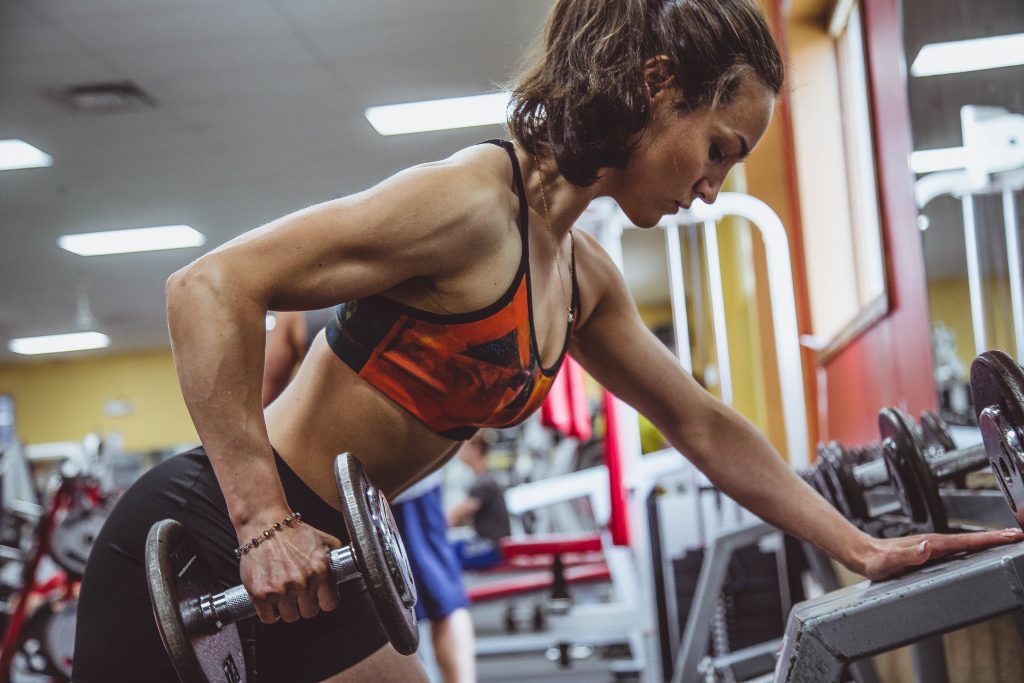
Why Does Weightlifting Help Your Chances of Survival?

There are several ways weightlifting for strength can help you and yes, one of them is bashing zombie’s heads. Here are a few good reasons to start strength training right now:

Increases Muscle

Weightlifting is going to increase muscles not only in your legs but also in the arms. Coincidently, both the legs and the arms will come in handy once the radiation ghouls come for you. While weightlifting won’t increase your running stamina, it will help in jumping higher and faster. Bigger and healthier muscles mean you will be able to do extraneous tasks with ease too.

Lift More

With better muscles comes better lifting power. You can lift inventory more easily, lift chopped wood and even lift a person in an emergency. Lifting power is one perk that will come in handy even if the world doesn’t end either. Plus your arms will look amazing, which is always a good thing to have, just make sure you have ample T-shirts.

Less Back Injuries

Back pain is the worst! I only wish that on my worst enemies, which are mosquitoes. 

Having a strong back can help in almost all walks of life. You can lift without having tweaks in the back, you can sit for a longer period without any support and you can tie your laces without crying out in pain. 

A strong back means you will be able to do more without any hiccups in performance.

Scare Away Scavengers

After the world ends, people are going to eye your safe place for sure. One way to avoid scavengers is to have protection and another is to just scare them away with your awesome physique. 

This wouldn’t work well if they bring weapons, but at least you will look amazing when fighting them.

Get Better Mates

Your lineage must go on and for that, you need better mates in the post-apocalyptic world. 

Strong people attract strong mates, it’s just science. 

Jokes aside, having a strong body increases your endurance and survival and can, in theory, attract an equally awesome mate.

The Three Big Lifts

 Three Big Lifts build up your strength in an effective way

The Three Big Lifts build up your strength in an effective way:

Squat

This one is the easiest one, not to do but to understand. 

You place the barbell on your shoulders and squat. That may sound simple to do but after a couple of reps, you will start feeling the burn. This way you know it is working.

The most typical rep scheme is 3 sets of 5 reps.

Deadlift

The deadlift is not something you do after you slay a zombie. Well, technically this will come handy if you are going to hunt for food. Just like you want to bring in all the grocery bags in one trip, the deadlift is all about lifting weight with your arms. You grab the barbell and pull it upwards while standing.

Press

This one is a bit complicated and I recommend taking care while lifting. You simply press the barbell overhead like they do in the Olympics. I highly recommend you start with low weight on this one, I don’t want you to use your first aid kit on your head.

Where to learn the Big Three?

There are several sources you can consult for a better form. I recommend a great book named Starting Strength. Having a hard copy of that book is essential so even if the internet goes down, you will have the necessary knowledge safely secured.

The Equipment

To do weightlifting for survival, you will need some equipment. In an ideal situation, you would have a whole home gym in place with everything you’ll need however, you don’t exactly need a ton of stuff for weightlifting. Here is what you need:

The Rack

There are two types of squatting racks. One is a full rack that takes up more space but is a lot more secure. We have a list of some awesome full racks here. 

The other is a half-rack that takes less space but naturally doesn’t provide full security. Check out the best half rack list to get the best one for you. What you get depends on your needs and available space.

The Barbell

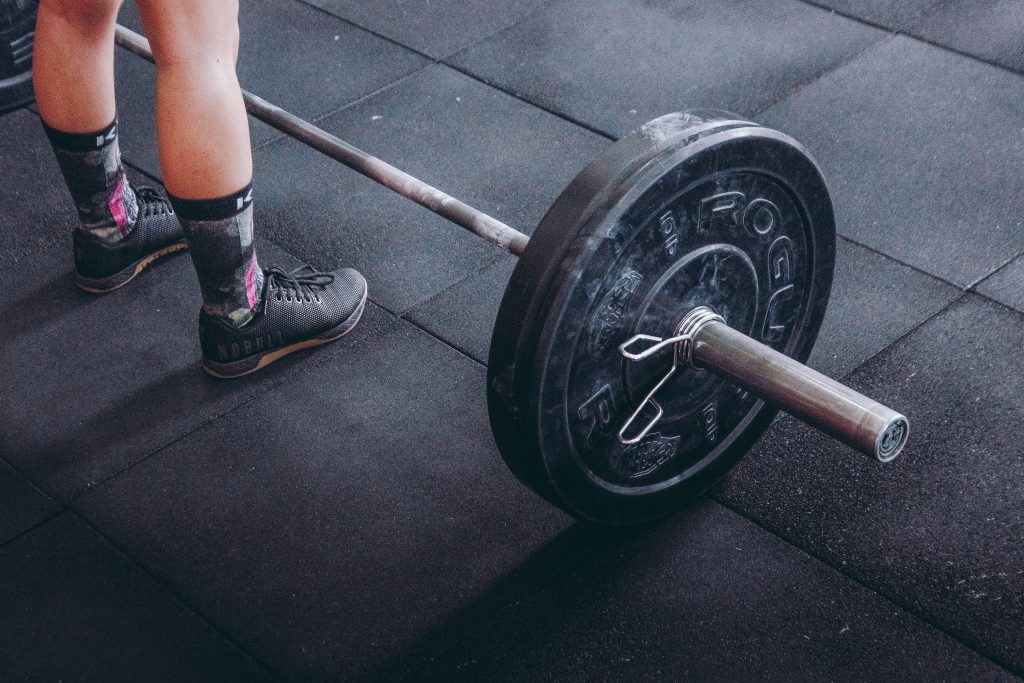
The barbell is the backbone that lifts the weights. And as a bonus, it can be a very handy melee weapon too. 

You don’t even need to splurge on the barbell, most are made with great quality materials that can last ages. Here’s a list of best Olympic barbells, I recommend the Olympic kind because they will be compatible with Olympic weights.

The Weights

You’re going to need a set of Olympic Plates to get started. We recommend finding these used in your area. We have a guide on our site to finding used home gym equipment.

If you are just starting a set of bumper plates can also be a great investment. They will not only cushion the impact if you let the barbell go from some height but also help in avoiding damages to the floor.

Conclusion:

Strength is one of the most important attributes to have to increase your survival rate. However, only strength is not enough, you need to build up agility and endurance too. That can be achieved with proper cardio and a good diet.

Making a home gym is not that hard though making room for one can be a real challenge. 

Some people just don’t have the luxury of an extra room they can convert into a gym. 

However, if you do have spare space to build a gym, visit our website for some awesome guides on how you can do so. Your garage, basement, garden shack, and even the attic can be repurposed into an awesome and affordable home gym!


Fishing for Survival

Back when humans still lived in caves, we’d catch fish with our bare hands. Fish were a staple part of our diet, and would give us the energy we needed to get through the day.

As a species, we still enjoy fish – but they’re generally caught on a mass scale. However, you might find yourself in a situation where you need to catch a fish in order to survive.

Luckily, fish thrive in most lakes, rivers, ponds and the ocean – so wherever you are on the globe, you’re probably going to be able to catch some dinner.

Knowing how to fish can be the difference between life and death, so keep reading for a guide on how you can catch fish for survival, without a fishing rod.

Why Fish?

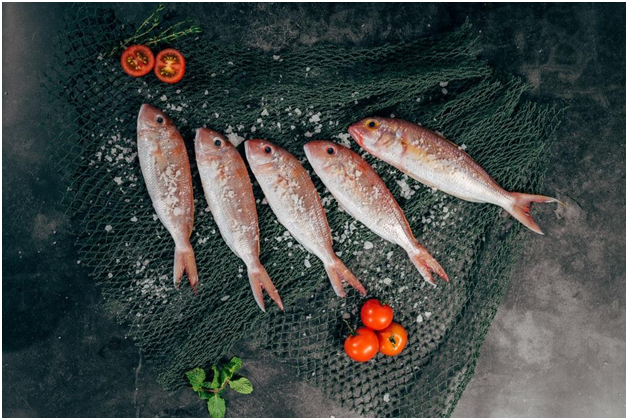
One fish could sustain you for a whole day, spread across as many as three meals.

Fish is a generally low fat food, rich in omega-3 fatty acids which is great for your body and your brain.

fishing to survive

Fish are also full of protein, which is the building block of our bones, muscles, skin, and blood. Protein is a necessity if you’re hoping to survive in the wild. Protein promotes muscle growth, and helps maintain muscle mass.

On average, one fish provides around 19.5 grams of protein per 100 grams, which is almost as high as the amount of protein found in steak per 100 grams.

If you’re near the ocean, then you’re in luck – as you can eat most ocean fish raw. This is great, especially if you don’t have any fire-lighting equipment.

Methods

Fish can be difficult to catch at the best of times, even with the most hi-tech equipment and gadgets.

In a survival situation, the key is to keep your head on your shoulders and stay calm. Remember these fishing tips, and you should be able to catch fish with little-to-no equipment.

Hand Fishing

Hand fishing is just about as primitive as fishing gets, and can be a life saving action if you have no supplies whatsoever with you.

If you’re desperate for food, you may be tempted to wade into the water and try to grab a fish yourself.

hand fishing

This sounds like an ideal solution when you can almost taste the fish, but it’s a bad idea. You could get hypothermia from standing in the cold and wet clothes for hours. You’re far safer keeping dry.

Lie down with your arm in the water, and wait. That’s all there is to it. You must stay as still as possible and let your arm adjust to the water temperature. Fish will sense that your arm is warmer than the surroundings, so keep your arm submerged until it cools down and stops radiating heat.

When your arm has cooled down, nearby fish will most likely assume its a rock or vegetation, and swim near it without caution.

Then you should do a “come hither” motion with your finger, and chances are, the fish will mistake your finger for a struggling worm or insect.

Try to fight your instinct to just grab the fish by the torso, and instead, grab the fish from under the gills. The hard cartilage and bone there make it the perfect area to get a strong grip of the fish.

Once you’ve got a good hold of it, throw it onto the shore/ river bank – you’ve caught your dinner and you’ll live to see another day.

Fish Spear

Spearfishing can be a difficult task, and has a relatively low success rate due to lack of technique. It requires patience and concentration, so be sure that your head is in the game before you submerge yourself.

The best place to spear a fish is in a shallow and enclosed body of water, like a pool or pond – where the fish can’t really get away from you. Shallow water is also a perfect location as it means your body won’t be fully submerged, which means less chance of getting hypothermia.

The good thing about spear fishing is that you can do it with virtually no equipment – even a stick could impale a fish.

Once you’ve spotted the fish, aim for the skull – where the spine connects. This is the most humane way to kill a fish, as it kills the fish instantly and is virtually painless.

Fish Wall

Creating a small wall will block the fish and prevent them from escaping your grasp. This works best in a river – you dam the river a few feet after a bend, so the fish won’t even realize that the river flow has been obstructed.

fishing methods

You can create this wall with either stones, rocks, or sticks. The fish will keep circling, swimming near the dam – so you can successfully grab the fish with your hands, or spear it with whatever sharp object you have to hand.

Conclusion

You can successfully catch fish with no equipment – if humans could do it thousands of years ago, why can’t we do it today?

Learning how to catch fish is the key to surviving in the wilderness – it’s possible to survive off fish alone.

Hopefully you won’t ever need to use these tips, but if you do, they could save your life.

Happy surviving!


Survival Tips on How to Hunt and Trap Small Game

As you may already know, we can go without food for 3 to 4 weeks. This depends largely on the individual needs of the body. Things like body fat percentage and metabolic rate also come into play here. Without food, internal organs “shut down” progressively due to caloric deficit. It inevitably leads to death.

That said, it is critical to have survival skills in procuring food to stay alive in the wilderness. Edible wild plants can be of great help but they aren’t enough. In survival situations, it is very important to find and eat animal source foods that give more energy. This usually involves trapping and hunting.

Ungulates (such as moose, deer, and elk) and other big animals are difficult to hunt. What’s more, big-game hunting will considerably increase your caloric expenditure and make you even more fatigued. Small animals are a more reliable food source. That’s why you should hunt small game for survival rather than pursuing large animals.

hunting small prey

Learn More About Your Prey

Try to find out what kinds of animals and birds are most common in the area you will be hunting. Pay particular attention to small critters like squirrels, rabbits, packrats, chipmunks, raccoons, waterfowls, and doves.

You should also learn about their habitats, habits, and food choices. Since small game animals usually use the same tracks to travel, you should have a good understanding of how their trails look like. These animals tend to travel along the shores and edges of the open ground, clinging to places covered by dense vegetation.

Sharpen Your Stalking Skills

Here are a few tips for stalking small game:

  • Go slowly and walk fluidly, especially when stepping over an obstacle.
  • Avoid sudden, fast movements.
  • Relax and take breaks often.
  • Scrutinize the entire area – from the forest floor to treetop.
  • Look for the animal tracks along creek banks and muddy paths.
  • Listen to the animal sounds like squeaks, scraping, and chirping noises.

Select the Proper Ammunition and Firearm

A firearm is no doubt the most powerful tool for small-game hunting. Yet you must choose the right weapon and ammo. For example, the air rifle is considered the best option for squirrel hunting. Check the Gun Forest review for the best air rifles for squirrels.

The .22 rimfire rifle is also very popular when it comes to survival hunting. If you opt for this rifle, then you will need .22 long rifle ammunition for best results. Besides, a 12 gauge pump-action shotgun is useful for small-game hunting as well.

trap your prey

Make Small Game Traps

As a passive hunting method, trapping allows you to deal with other chores while waiting for the animals to get caught up. It is always a good idea to make a lot of traps for small game. From wooden rat traps to cable snares, there is a wide range of ready-to-use traps available. Many adventurers prefer making traps on their own, though.

Be Prepared for a Wilderness Hunt!

Planning to go into the wilderness? Be sure to prepare yourself for such a challenging adventure. Aside from getting mentally and physically ready for the great outdoors, you also need to learn how to trap and hunt small game before heading into the wilderness. This will increase your chances of surviving in the wild.