
17 Things to Prepare for a Long Winter: A Comprehensive Guide

Winter can be a beautiful and magical time of year, but it can also be harsh and unforgiving. If you live in an area with long, cold winters, it’s important to be prepared for the challenges that come with this season.

survival skills to prepare yourself for harsh winter months

Here are 17 things you can do to get ready for a long winter:

  1. Insulate your home. Proper insulation can help keep your home warm and reduce your energy bills. Consider adding insulation to your attic, walls, and crawl spaces to keep the cold out.
  2. Check your heating system. Make sure your furnace or boiler is in good working order before the cold weather hits. Consider getting a tune-up or servicing if needed.
  3. Stock up on winter supplies. Make sure you have plenty of warm clothing, blankets, and other winter essentials on hand. Don’t forget about things like ice melt and shovels to clear snow and ice.
  4. Protect your pipes. Frozen pipes can be a major inconvenience, so take steps to prevent them. Insulate your pipes, and keep your home warm enough to prevent freezing.
  5. Prepare your car. Make sure your car is in good working order and has winter tires or all-season tires with good tread. Keep a winter emergency kit in your car, including things like a blanket, flashlight, and extra warm clothing.
  6. Keep your driveway and sidewalks clear. Snow and ice can make it difficult to get around, so make sure you have a plan for keeping your driveway and sidewalks clear. Consider investing in a snow blower or hiring a snow removal service.
  7. Winterize your survival garden. Protect your plants from the cold by covering them with blankets or mulch, and bring any delicate plants indoors.
  8. Check your gutters. Clogged gutters can lead to ice dams, which can cause damage to your roof and even your home. Clean your gutters before the winter weather arrives.
  9. Check your roof. Make sure your roof is in good condition and repair any damage before the winter weather arrives. This will help prevent leaks and other problems.
  10. Check your smoke and carbon monoxide detectors. Make sure these important safety devices are in good working order and have fresh batteries.
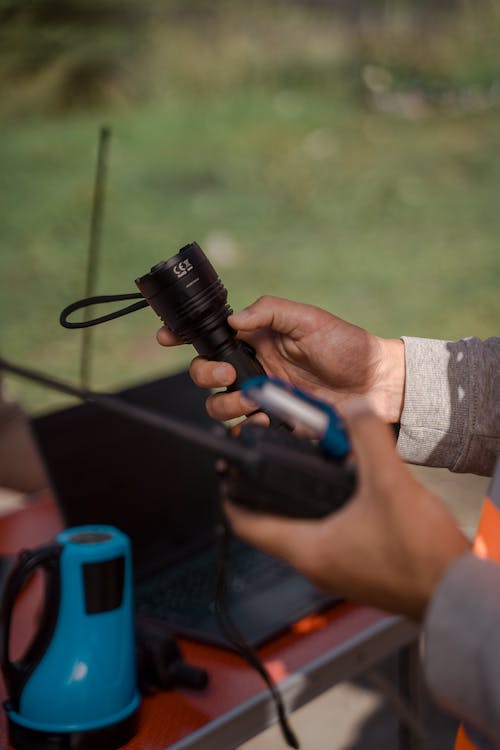
  11. Prepare for power outages. Keep flashlights and extra batteries on hand, candles, and consider investing in a generator if you live in an area prone to power outages.
  12. Keep your pets safe. Make sure your pets have a warm place to stay and plenty of food and water. Consider getting them a winter coat or booties to protect them from the cold.
  13. Make a winter emergency kit. Keep a supply of non-perishable food, bottled water, and other essential items on hand in case you need to shelter in place during a winter storm.
  14. Stay active. It’s easy to become sedentary during the winter months, but staying active can help you maintain your physical and mental health. Consider taking up a winter sport or finding indoor activities to keep you moving.
  15. Stay hydrated. It’s easy to become dehydrated in the winter, since the air is dry and we tend to drink less water. Make sure you drink plenty of water to stay hydrated.
  16. Stay warm. Wear layers to stay warm, and invest in a good coat and other winter gear to keep you comfortable.
  17. Take care of your skin. The dry winter air can be harsh on your skin, so make sure you moisturize regularly and use lip balm
It's important to be prepared for whatever Mother Nature has in store.

From icy roads and freezing temperatures to power outages and storms, it’s important to be prepared for whatever Mother Nature has in store.


5 Essential Steps for Survival Prepping: Tips and Tricks for Ensuring Your Safety and Sustainability

Essential Steps for Survival Prepping: Tips and Tricks for Ensuring Your Safety and Sustainability

Survival prepping is all about being prepared for unexpected events that may threaten your safety and sustainability. Whether it’s a natural disaster, war, or even a doomsday scenario, taking the necessary precautions can make all the difference in ensuring your survival. Here are five essential steps you can take to start prepping for survival today:

  1. Learn new skills: As Mahatma Gandhi once said, “learn as if you were to live forever.” It’s important to continuously acquire new skills and knowledge, especially when it comes to survival. Some essential skills to consider learning include starting a fire, shooting game, performing basic first aid, and even playing a musical instrument (which can provide a much-needed source of entertainment in difficult times).
  2. Stock up on food and water: Food and water are crucial for human survival, and it’s important to have a sufficient supply on hand. Aim to have enough to last at least one month, and try to focus on a balanced diet that includes all three macros (proteins, fats, and carbohydrates). In addition, learn how to properly prepare and store food, and how to decant and purify water to ensure it’s free of impurities.
  3. Get defensive gear: In today’s world, it’s important to be prepared for the possibility of danger from other people. Consider learning self-defense skills like karate or boxing, and invest in a good survival kit that will come in handy in the event of a natural disaster, war, or other unexpected event.
  4. Have a medicine reserve: If you take medication on a regular basis, it’s essential to have a small reserve on hand in case of shortages. This is especially important for those with conditions like diabetes, epilepsy, or heart conditions, who may require daily medication. Aim to have enough to last at least two weeks or more.
  5. Practice caution: As the old saying goes, “precaution is better than cure.” By taking the time to plan and prepare, you can increase your chances of survival in the face of unexpected challenges.
taking the time to plan and prepare, you can increase your chances of survival

Don’t wait until it’s too late to start prepping – take these essential steps today to ensure your safety and sustainability.


Quickly Test Water for Harmful Bacteria with These Bacteria Test Kits

Bacteria Test Kit, Water Testing, E.coli, Outdoor Activities

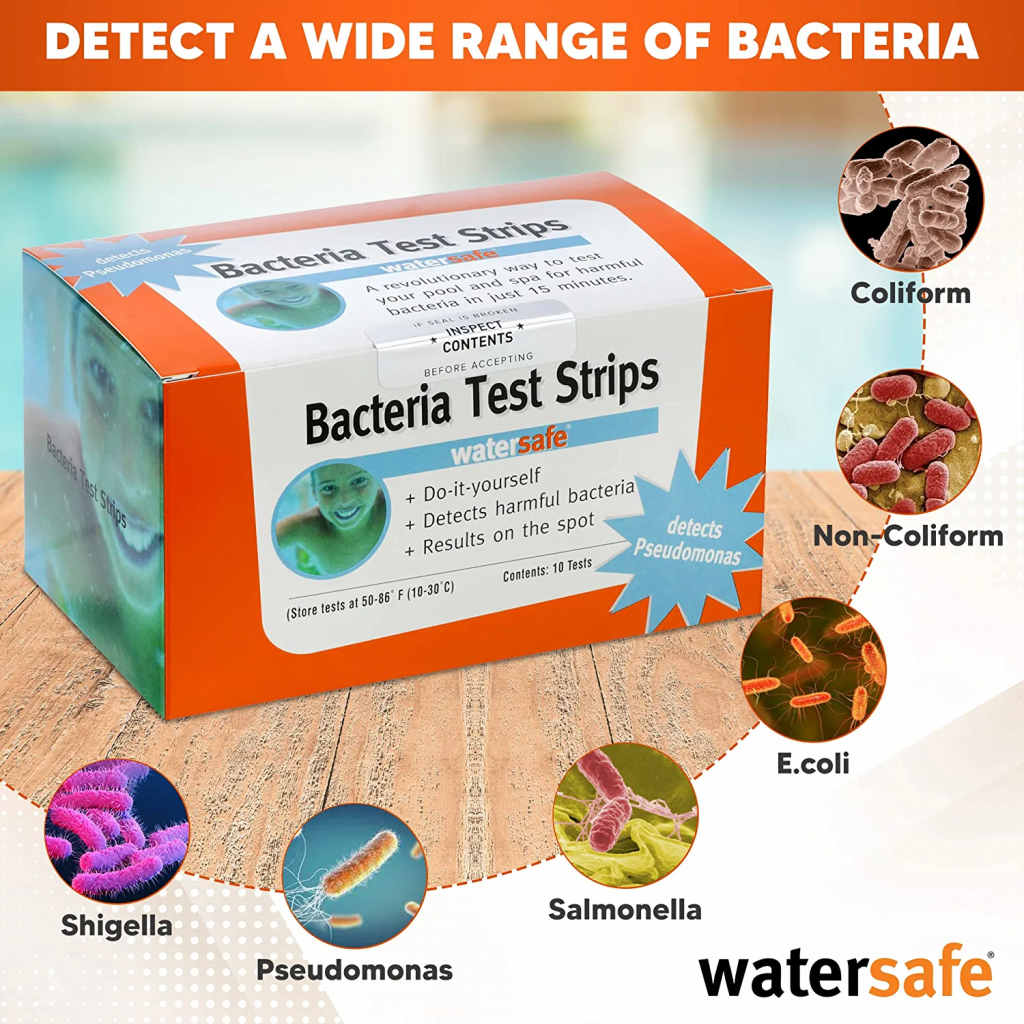
Are you concerned about the safety of your drinking water? Do you want a quick and easy way to test for harmful bacteria? Look no further than the Bacteria Test Kit. This kit contains 10 individual use tests and is perfect for use at home, while camping, hiking, boating, traveling, or participating in any other outdoor activities.

The Bacteria Test Kit tests for the presence of bacteria such as E.coli, Pseudomonas aeruginosa, Shigella, Enterobacter, and more. A positive result on one of these tests may indicate dangerous levels of bacteria and help you determine the best water treatment options.

Unlike traditional water testing methods, which can take over 24 hours to incubate and test a sample, the Bacteria Test Kit is fast, accurate, and easy to use. It’s an excellent addition to your survival preps and is unlike any other test on the market. Don’t wait to ensure the safety of your water – try the Bacteria Test Kit today.


11 Expert Tips for Raising Chickens: The Ultimate Guide for Beginners

11 Expert Tips for Raising Chickens: The Ultimate Guide for Beginners

If you’re new to the world of raising chickens, it can be overwhelming trying to figure out where to start. But fear not! With a little bit of knowledge and some careful planning, you’ll be well on your way to a successful and fulfilling chicken-keeping experience. Here are our top 11 tips for raising chickens for beginners:

  1. Choose the right breeds: Different breeds have different characteristics, so it’s important to choose the ones that best fit your needs and lifestyle. Consider factors like egg production, size, temperament, and hardiness.
  2. Set up a safe and secure coop: Chickens need a place to sleep, lay eggs, and stay safe from predators. A well-ventilated coop with plenty of space for each bird is essential.
  3. Provide proper nutrition: Chickens need a balanced diet to stay healthy and produce eggs. Offer a mix of grains, vegetables, and high-quality commercial feed, and always make sure they have access to clean water.
  4. Keep the coop clean: Cleaning out the coop regularly will help prevent the buildup of harmful bacteria and parasites. Remove old bedding and manure, and use a disinfectant to keep everything fresh and hygienic.
  5. Protect against predators: Chickens are vulnerable to a variety of predators, including foxes, raccoons, and even neighborhood dogs. Make sure your coop is secure and consider installing a fence or electric netting to keep your birds safe.
  6. Provide plenty of space: Chickens need room to roam and forage. A small backyard can still accommodate a few chickens, as long as you provide them with enough space to stretch their wings.
  7. Consider the weather: Chickens are hardy birds, but they still need protection from extreme weather. Make sure they have a draft-free coop and access to shelter in case of rain or extreme heat.
  8. Don’t overcrowd: Overcrowding can lead to health issues and behavior problems. As a general rule, plan for at least 3-4 square feet of space per chicken in the coop and at least 8-10 square feet per chicken in the run.
  9. Handle with care: Chickens can be easily stressed, so it’s important to handle them gently and respectfully. Use a calm and gentle voice, and avoid chasing or cornering them.
  10. Keep an eye on their health: Regularly check your chickens for signs of illness or injury, and seek veterinary advice if necessary. Keeping your birds healthy will ensure a long and productive life.
  11. Have fun: Raising chickens can be a rewarding and enjoyable hobby. Don’t be afraid to experiment and try new things, and most importantly, enjoy the experience!
raising happy and healthy chickens

By following these simple tips, you’ll be well on your way to raising happy and healthy chickens. Whether you’re a seasoned pro or a beginner, these guidelines will help you create a fulfilling and successful chicken-keeping experience.


How Much Fuel Is Needed To Power A Light Bulb For A Year?

Image

What-it-takes-to-power-a-light-bulb-for-a-year

It is not possible to determine how much fossil fuel is needed to power a light bulb for a year without knowing the specific type of light bulb and the source of energy being used to power it.

Light bulbs are available in a range of wattages, which refers to the amount of electricity they use. A higher wattage bulb will use more electricity and therefore require more energy to power it. The amount of energy needed to power a light bulb will also depend on the type of fossil fuel being used to generate electricity. Different fossil fuels have different energy densities, which means that they contain different amounts of energy per unit of weight.

As a rough estimate, a 60 watt incandescent light bulb that is turned on for 8 hours a day will use approximately 528 kilowatt-hours of electricity over the course of a year. The amount of fossil fuel needed to generate this electricity will depend on the specific type of fossil fuel being used and the efficiency of the power plant that is generating the electricity. For example, a coal-fired power plant may use more fossil fuel to generate the same amount of electricity as a natural gas-fired power plant.

It is also worth noting that using energy-efficient light bulbs, such as LED bulbs, can significantly reduce the amount of energy needed to power a light bulb and therefore reduce the amount of fossil fuel required to generate that energy.

What items would you add to your survival preps to give you a power source if the electrical grid goes down?

Could you produce enough to live off the grid with solar, wind, or hydro?


Vitamin Supplements for Long-Term Survival: The Essential Guide

In a long-term survival situation, having access to a varied and balanced diet may be challenging. This is where vitamin supplements can come in handy, helping to ensure that you get the nutrients you need to stay healthy. But with so many options available, it can be difficult to know which supplements to choose.

the essential vitamin supplements you should consider storing for long-term survival

Here’s a guide to the essential vitamin supplements you should consider storing for long-term survival:

  1. Vitamin C: Vitamin C is an essential nutrient that plays a vital role in supporting the immune system, collagen production, and the absorption of iron. It’s also a potent antioxidant that helps protect cells from damage. In a survival situation, getting enough vitamin C can be challenging, so it’s a good idea to have a supply of vitamin C supplements on hand.
  2. Vitamin D: Vitamin D is essential for the absorption of calcium, which is needed for strong bones and teeth. It’s also important for immune function and the regulation of blood pressure. In a survival situation, getting enough vitamin D can be difficult because it’s primarily synthesized by the body when the skin is exposed to sunlight. If you’re unable to get enough sunlight, storing a supply of vitamin D supplements can help ensure that you get enough of this essential nutrient.
supplements can help ensure that you get enough essential nutrients
  1. Multivitamins: A multivitamin is a combination of essential vitamins and minerals that can help fill in any gaps in your diet. In a survival situation, a multivitamin can help ensure that you get all the nutrients you need to stay healthy. Look for a multivitamin that includes vitamins A, C, D, and E, as well as the B vitamins and minerals like iron, calcium, and zinc.
  2. Omega-3 supplements: Omega-3 fatty acids are essential for good health and are important for brain function, heart health, and immune function. They’re also anti-inflammatory, which can help reduce the risk of chronic diseases. In a survival situation, it may be difficult to get enough omega-3s from your diet, so storing a supply of omega-3 supplements can be a good idea.
  3. Probiotics: Probiotics are live bacteria and yeast that are beneficial for gut health. They help balance the bacteria in the gut and support the immune system. In a survival situation, it may be difficult to get enough probiotics from your diet, so storing a supply of probiotic supplements can be a good idea.
essential vitamin supplements

By storing these essential vitamin supplements, you’ll have a supply of nutrients to help you stay healthy in a long-term survival situation. It’s important to remember that supplements should not be a replacement for a varied and balanced diet, but they can help fill in any gaps and ensure that you get the nutrients you need.


New Year, New Survival Workout

Are you looking for a way to stay fit and prepared for any situation? 

 Survival Fitness Daily Workout Routine

Look no further than this Survival Fitness Daily Workout Routine! These easy-to-do exercises can be done at home, so you don’t need a gym or gym membership.

  1. Push-ups: This classic exercise targets your upper body and core, helping you build strength and endurance.
  2. Squats: Squats are a great way to strengthen your lower body and improve your balance.
  3. Lunges: Lunges work your lower body and help improve your balance and coordination.
  4. Planks: Planks are a great way to strengthen your core and improve your overall stability.
  5. Burpees: This full-body exercise will get your heart rate up and help you build strength and endurance.
  6. Jumping jacks: This cardio exercise will get your heart rate up and help improve your endurance.
  7. Mountain climbers: This dynamic exercise will work your upper and lower body, as well as improve your coordination and balance.
  8. Sit-ups: Sit-ups are a great way to strengthen your core and improve your overall fitness.
 Survival Fitness Daily Workout Routine

Remember, it’s important to have physical strength and endurance in order to protect yourself and your loved ones. Don’t let a lack of equipment or a gym membership hold you back – these exercises can be done with minimal equipment or no equipment at all.

Start incorporating these exercises into your daily routine and take control of your survival fitness today!


SODIS – And How to Use the Sun to Disinfect Water

Solar water disinfection, also known as SODIS, is a simple and effective way to purify contaminated drinking water. All you need is a transparent plastic bottle and some sunlight.

To use SODIS, fill the bottle with contaminated water and expose it to full sunlight for at least six hours. The sun’s UV-A radiation (wavelength 320-400nm) and the increased water temperature work together to kill harmful bacteria and viruses in the water. If the water temperature reaches 50°C or higher, the disinfection process is three times faster.

Mason jars can also be used for solar water disinfection, though plastic bottles may be easier to find and lighter to carry in a survival situation.

It’s important to note that SODIS is just one method of water purification and it’s always a good idea to have multiple methods at your disposal in case of an emergency.