Keep Supplies Safe During a Power Outage

Of course, the best time to prepare for a disaster is before it strikes – but, when you find yourself facing any sort of emergency before you’ve had time to prepare, you’ll want to do everything you can to protect your precious supplies – especially food and water.

Best solar generators for power outage.

Keep these tips in mind (or print them out and keep them on hand) in case you ever find yourself caught off guard.

Keeping Food Safe During a Power Outage

Of course, the biggest concern is food spoilage. You can minimize the amount of spoilage experienced by:

  1. Keep the doors to your freezer and refrigerator closed, and food will stay cold for about four hours.
  2. Keep a thermometer in the refrigerator to monitor temperatures. Food that reaches 40 degrees or higher can’t be refrozen and should be disposed of.

In addition to these tips, be sure to keep a minimum of three days of non-perishable food items on hand that don’t require running water or heating for consumption.

Keeping Water Safe During a Power Outage

In some areas, water may stop flowing to your home if the power is out. When this happens, you’ll have no choice but to rely on personal water supplies or water purification devices. It’s best to keep a supply of water on hand.

Not including washing, and cleaning, the average person needs at least one gallon of water per day to remain properly hydrated. The more water you can store, the better off you’ll be – but be sure to keep at least five gallons on hand for each adult and child in your household.

Keeping Other Survival Supplies Safe During a Power Outage

While most of your supplies are unlikely to suffer damage during a power supply, there’s always a chance that desperate neighbors come to your home for help. Protect yourself and your family by keeping the details of your supplies to a minimum. Your neighbors are far less likely to try and steal what they don’t know you have.


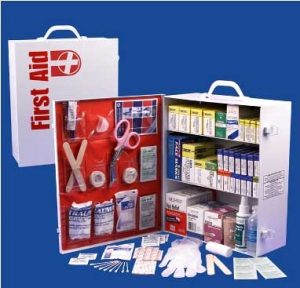
First Aid Guide List and Links

First Aid, learn as much as you can now for use later.

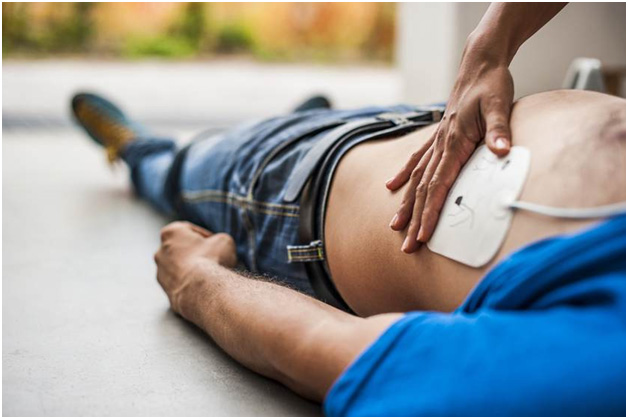
CPR is an important skill

Information to help you during a medical emergency:

Disclaimer: This information is not intended as a substitute for professional medical advice, emergency treatment or formal first-aid training. Don’t use this information to diagnose or develop a treatment plan for a health problem or disease without consulting a qualified health care provider. If you’re in a life-threatening or emergency medical situation, seek medical assistance immediately.

via First Aid – MayoClinic.com.

Survival Fitness – A Daily Workout Routine

You have something worth living for? It is why you have built up all your survival stockpiles right?

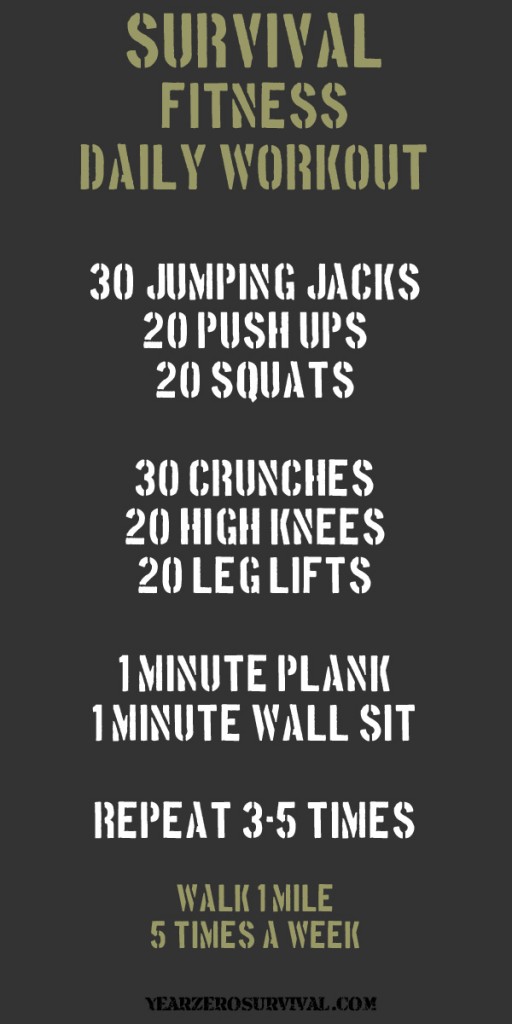
Whatever it is, find your motivation now and start using this simple Survival Fitness Daily Workout Routine. It’s easy to do at home, you do not need a gym or gym membership.

Remember, you can have all the supplies in the world, but if you cannot physically out run the hoard of bad guys or physically protect yourself with your own strength, then what purpose is all your preps for?

SURVIVAL-FITNESS

Keep your brain focused on the single message of getting stronger and constantly remind yourself of why you’re doing the things you’re doing. Start today, increase the reps as you get stronger.

Top Tip: Once you are able to comfortably walk 1 mile 5x a week, you can increase the distance or you can walk with a backpack and start placing a 5lb bag of sugar in it, then increase the number of bags as you get stronger. Remember you may have to carry a large amount of weight in a bug-out situation.


6 Easy Steps To Long Term Dry Goods Storage

Preserve Dried Goods and Store for Up to 20 Years!

A couple of months ago I was reading one of my favorite magazines, Countryside, and came across an awesome article about oven canning. I had personally never heard of it before, but was intrigued. So I followed the directions step by step and am now addicted (just one of my natural addictions) to preserving dried goods. Even though store bought dried goods will last for a couple of years, chances are within a certain length of time weavels and other bugs will get into them and they will begin to taste stale. Oven canning these goodies will preserve them for long periods of time, which is awesome for the emergency prepper, like myself.
Here is a rundown for the process of oven canning.
What you need:
Dried goods (rice, pasta, cereal, dried fruit, dried vegetables, dried herbs, etc)
Canning jars of any shape or size
Canning lids to fit the canning jars
Cookie sheet
Paper towel
Water

Step 1: Preheat oven to 200 degrees.

Step 2: Place cookie sheet into preheating oven.

Step 3: Fill jars with dried goods, leaving the lids off

Step 4: Place jars on cookie sheet in the oven for 1 hour.

Step 5: Remove carefully from oven. Take a damp paper towel and wipe the mouth of the jar with it. Place lid firmly on the jar.

Step 6: Listen for popping to indicate that the jar has sealed. As in regular canning, not all jars will seal. If the jar does not seal it could be an indication of a bad lid or a bad jar or just plain dumb luck. You can try it again for that jar or be satisfied in knowing that at least your dried goods are kept safe from bugs.

Top Tip: Another little nifty trick for those that do not want to preserve their dried goods for long periods of time, but would like to keep the little critters out is to put bay leaves in their jars and bags of dried goods.

[source]

10 Considerations For Your Bug Out Location

If worse came to worse and the world was in chaos, where would you go?
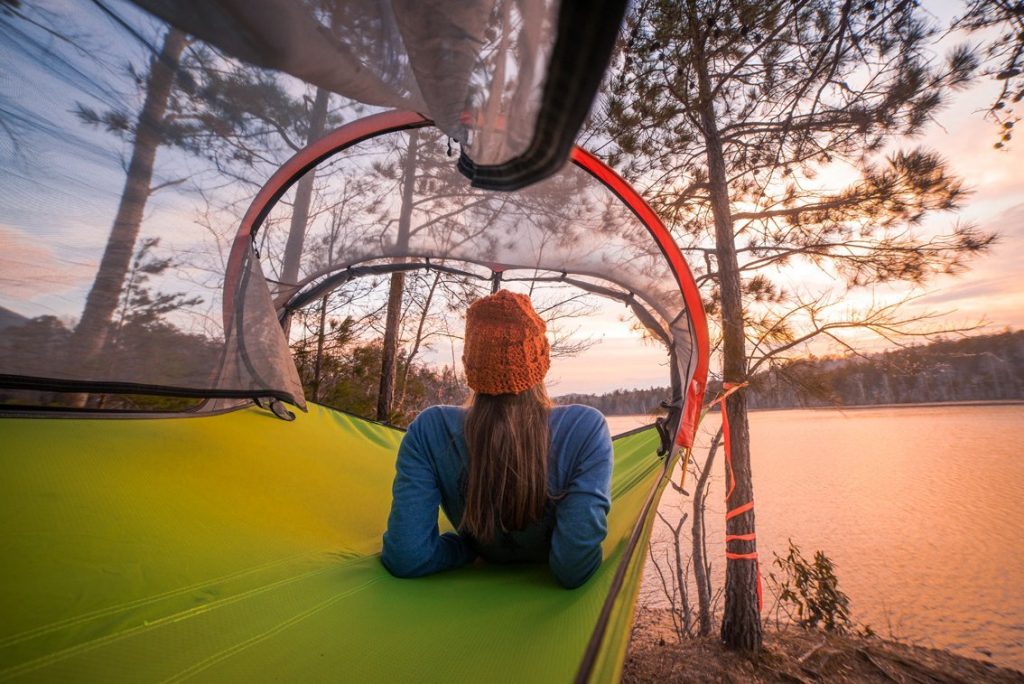
Where will you bug out when disaster strikes?

Many people already have determined where they would go – a bug out location – a spot where they could lay low and live for a while if things got pretty bad. If you haven’t decided where you’d go during an emergency, or you already have an idea, here are a few points to consider.

1. How far away?
How far away is your bug out location going to be from your home? With some disasters it doesn’t need to be very far away. For example, a flood zone might only take up a few miles and you might be able to walk to your bug out location. Other disasters, like an economic disaster or nuclear one, might require you to get a little further away from your home.

2. What kind of shelter?
Once you get to your bug out location, what kind of shelter are you going to live in? Is there a house on the property? Are you going to be staying in a tent? The type of shelter that you have might affect how long you are able to stay in the location. If you have to go to your bug out location in the dead of winter, you might be moving if your only living in a tent.

Many people even considering purchasing land in a more remote location so they don’t have to worry about living on someone else’s property. This would allow you to build a home and place supplies there.


3. Do you have a emergency bag?
We’ve talked previously about what kind of items you’d want in an emergency bug out bag or 72-hour kit. Depending on what are you’re in, your emergency items might differ. For example, if your bug out location is right next to a river, you might want a water filter instead of large water containers.

4. Water
Speaking of water, it’s important to know where you will have access to water during an emergency. If man-made water sources aren’t working, you might need to choose a location that has it’s own natural water source. You might want to choose a location close to a lake, river, stream or natural well. Mind you, if man-made water systems are out of service, a lot of people are going to be looking for water in these locations. You’ll also need to consider how susceptible those sources are to contamination.

5. Nearby food
Depending on how long you plan on staying at your bug out location, food might be a major consideration. Are you going to have enough animal or plant life around you that you can just live off the land? Are you going to be packing in all your food? Is the ground suitable for planting?

6. Popular for other people
If you think you’ve found the perfect place for you, there might be others that think the same. While at times, preparing to defend yourself is necessary, you might have a leg up if you know how to barter and maintain a good relationship with other people who are also bugging out in the same location.

7. How are you going to get there?
Like we mentioned above, this really depends on how far away your location is from your home. If it’s close to your home, you might consider walking or riding a bike. If it’s far away, are you going to be driving? This also has an impact on your ability to prepare with food and water. If you are going to be packing in a lot of water and food, how far you have to travel might be a big decision.

8. How many people are you planning for?
Is it just going to be you? Your spouse? Your children? Friends? Extended family? Many times, people will join with a family friend to buy property and build a home on their bug out location. This is probably one of the first things you’ll need to determine because it has a huge effect on your food storage, water storage and other emergency supplies.

9. Communication
How are you going to get in contact with others? Going to bug out location doesn’t necessarily mean that you won’t need to communicate. Are you going to be too far away that you don’t get cell phone coverage? Are you going to get radio and/or TV coverage? Staying in contact with people will help you know what is going on and help you stay prepared.

10. Medical Care
Are you going to have the right supplies at your bug out location? While you might have enough food and water, what if you have a large cut and can’t heal yourself? You might consider a bug out location that is close enough to civilization that you can go to a hospital or find the right drugs that you need but is also far enough away that you can escape if you need to.

What else?
What do you think? What other considerations did you take into account when you were determining your bug out location? Please comment below and let us know. Share your knowledge!

[source]

 

Waterproof Your Survival Gear

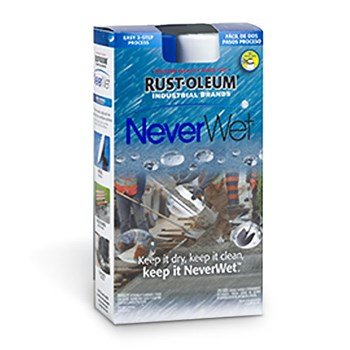
A big thanks to our guest-blogger OmegaMan for turning us on to this great waterproofing product. Although we don’t carry it in our line of premium survival products, it is readily available from hardware stores or Amazon Rust-Oleum NeverWet® Liquid Repelling Treatment Kit

This waterproofing system could be used in many ways on your preps, waterproof all of your survival, hunting, hiking, fishing, camping, or outdoor gear.

See OmegaMan’s video test of this product:

  • NeverWet liquid repelling treatment is easy to apply and dries to touch in 30 minutes.
  • Treated surfaces repel mud, water, ice and other liquids. The durable treatment can be used on tools and equipment, work boots and gloves to repel water and mud.
  • Protects gear and equipment from moisture and significantly reduces or eliminates clean-up. Use on surfaces indoors and out.
  • Not intended for application to electronic products
  • Sold as a two-part kit that can effectively treat from 10 to 15 square feet.


Note:  Works great if you know when and how to use it.

Some guidelines:

Yes, this does work. It repels water completely. However, it does leave a white haze ( and if you don’t see that haze, you probably haven’t used enough to be effective).

If you spray this on white shoes, fabrics, etc….the haze really isn’t noticeable. Works great on white athletic shoes! Also on canvas slip ons, etc.Water and other liquids roll right off. But I found that I had to reapply often on items which got heavy wear. Still, if you do this diligently, your items should look newer longer.

While product literature says not to apply to clothing, work boots are noted as acceptable. So work boots are not considered “clothing”…just in case you’d classify them that way.

So….NEVER wet? No. It does wear off and will not last forever. But while it is effective it is VERY effective. so it definitely keeps items looking newer. Just keep that milky color in mind. I wouldn’t spray it on black fabrics.


Available on Amazon

Carry What You Can, In As Many Ways You Can

Bike-Straps-BugOut

Create some (unusual) bike storage in the main triangle of your bike, using straps.

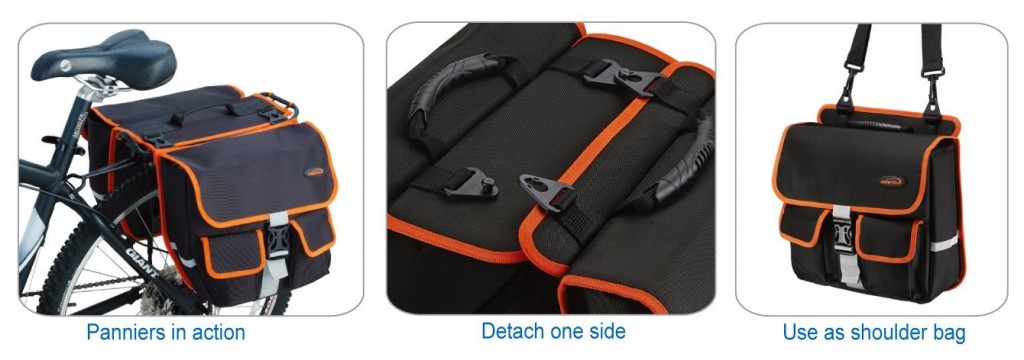
Or, use a more traditional means of extra bike storage, like a basket or carry bags. Also remember that you should have your Bug-Out bag on your back as well.

bicycle-carry-bags

It’s a good idea to have a two-wheeled bug-out option in addition to a car, truck, motorcycle, walking, etc… You never know what the situation will be like.

Have multiple options ready.

[image source]

Going Off The Grid: Want to erase yourself from the web?

How to erase yourself from the web or from just specific websites?

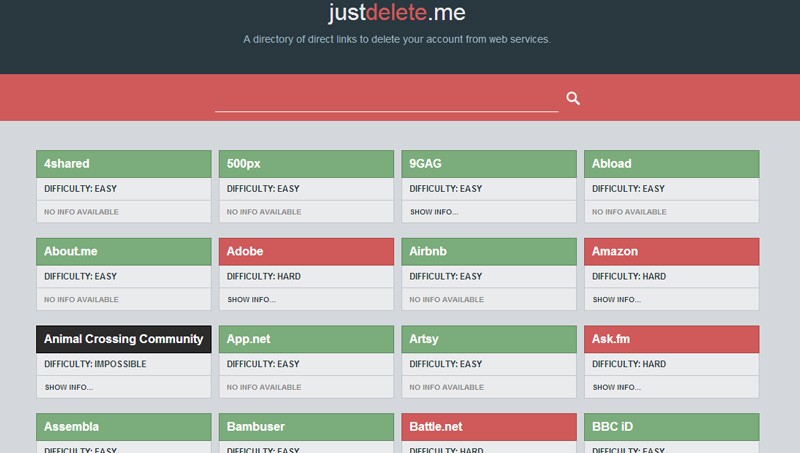
Just Delete Me is a directory of links for deleting your accounts from a variety of websites and services, along with indications of how difficult it is to delete yourself from those places (ranging from easy to impossible). It’s a little alarming just how many sites make it impossible to delete your account.

EraseYourselfScreenshot

With recent scandals of government tracking, who isn’t thinking about how much of their own life is stored up on some data collection server somewhere.

This is a great resource if you’re trying to figure out which web technologies you are going to erase yourself from and go totally OFF THE GRID.