14 Tips To Survive An EMP
It’s not a matter of ‘IF’ it’s a matter of ‘WHEN’ and ‘WHERE’ will this happen. Prepare now, even if it’s a little bit a month. Plan ahead, stay alive. Start HERE.

14 Tips To Survive An EMP

First, I would like to say congratulations! And secondly, I’m not a fan of the “prepper” label, I prefer to use “realist” or “survivalist”. With the popularity of TV shows like Doomsday Preppers, a “prepper” has become a stigma the mainstream media and often called nutty, crazy or just out there.

So back to your “realist” spouse, it’s important to know what exactly they are preparing for, and are you embracing or opposing it? Was it a recent event or has this been going on from the beginning of your relationship? Many “survivalists” have a specific trigger event or future fearful event that they focus on.
Communication is key, it’s better to discuss everything openly, and be partners. I have heard of the excessive “realists” that can spend everyday and almost every dollar on their preps, the ones usually portrayed on TV. With open communication and a set plan, it can bring you closer together as a couple or tear you apart. Either way, Talk it out.
In your discussions, you should find out why it’s important to prepare. “Independence, self reliance, survival, family, etc…” what makes emergency preparedness important to you and your spouse that matters most.

If you can’t be a part of it, please don’t mock it. Your spouse cares enough about you to include you. It’s easy to think, “It’ll never happen to me”, until it does. Mother nature, happens so it’s best to be as prepared as possible. You wouldn’t go on vacation without packing a suitcase…
Read more survival blog articles…

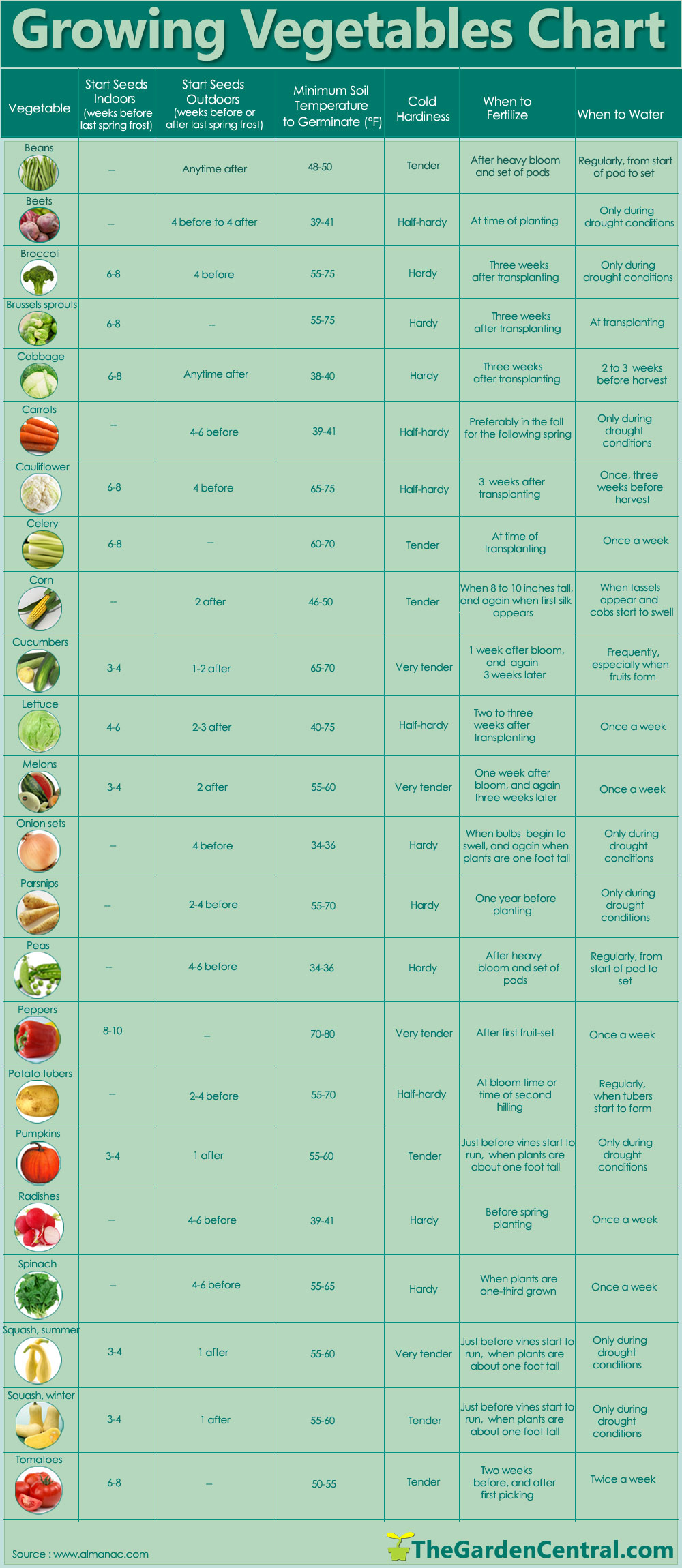
Knowing what to do and when to plant is critical. This handy chart gives you the guidelines to planting your own vegetables. Good information to create your own survival garden.

In my experience, while the power company spends its energies hooking up more important buildings like schools and hospitals, I spend at least the first day in the dark. That means encouraging my family to eat ice cream before it melts and cooking hot dogs over a fire. The fridge’s cold air is fading fast and it can only be opened on a strict schedule: whenever every member of the family is simultaneously dying of hunger. By the second day, the refrigerator’s cooling powers have failed entirely. The now useless box begins to stink of rot and breakfast is served at the doughnut store. In fact, every meal is either pizza or donuts until the electric company decides to grace my street with their omnipotent presence. Although a power outage is a kid’s culinary dream, it can be an adult’s nightmare.

Yet, with a little knowledge and planning, you can actually cook delicious meals without a refrigerator. After living on boats for almost four years with no or limited electricity, I have learned it is possible to eat like a gourmet without ice.
Please use your own judgement when consuming any food. These are techniques the author has found useful. The author is not liable for any illnesses you may experience due to eating non refrigerated food.
Source: Off The Blueprint


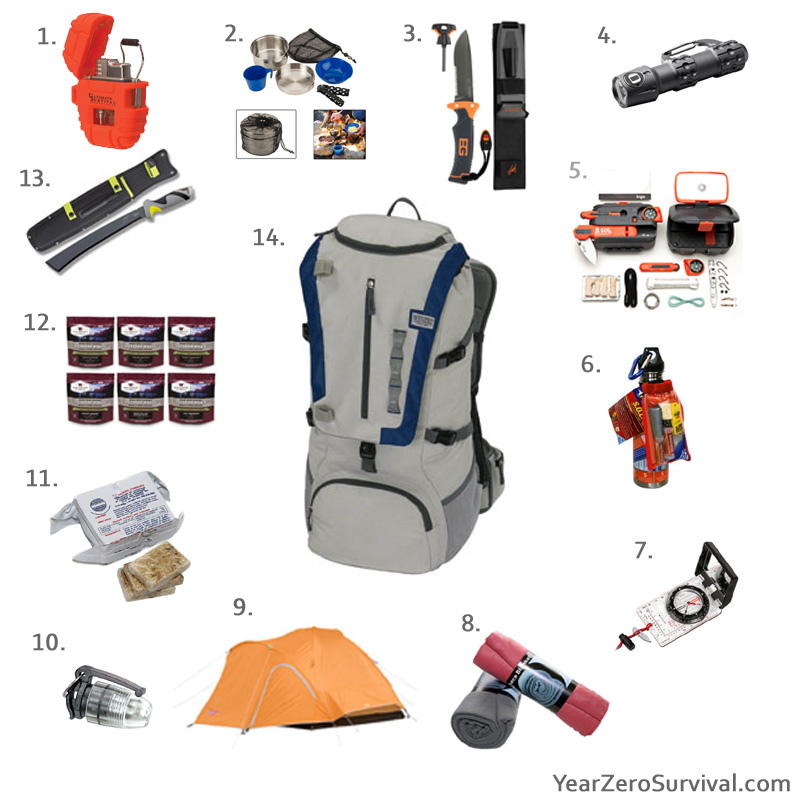
This is one illustration of the items you could consider for your own Bug-Out bag. We also carry pre-made Bug-Out bags ready when you are. Depending on your location and situation, you may want to add or delete items suggested here.
Bear in mind, this pack has all the elements to last you longer than 72 hours, with the exception of the food items, and your ability to find a source of water.
What would you add or remove from yours?

When Hurricane or “Super Storm” Sandy hit here last autumn, I didn’t have power for eleven days. I was one of the lucky ones, though — I still had my house, a gas-powered stove, and gas-heated water. Here’s what I learned about living without electricity.
Light
Refrigeration & Cooking

Temperature Control
The worst part of a power outage in the late fall and winter months is losing your heat. A fireplace helps, but burning logs isn’t enough. Unless you’re already in an enclosed space, the warm air is going to be sucked away. To avoid this, you can create a temporarily enclosed space, for example by using some good tape and a few plastic painter’s drop sheets. If you manage to get your fireplace and stove into the same space, it helps to boil some water and steam up the room a little. However, it’s not wise to run gas heat in an enclosed space for long (and a gas fireplace shouldn’t be enclosed at all). Also, the steam will eventually soften up your walls.
Keeping Cool During a Summer Power Outage
Connectivity

Staying Positive
Source: Off The Blueprint