11 Expert Tips for Raising Chickens: The Ultimate Guide for Beginners

11 Expert Tips for Raising Chickens: The Ultimate Guide for Beginners

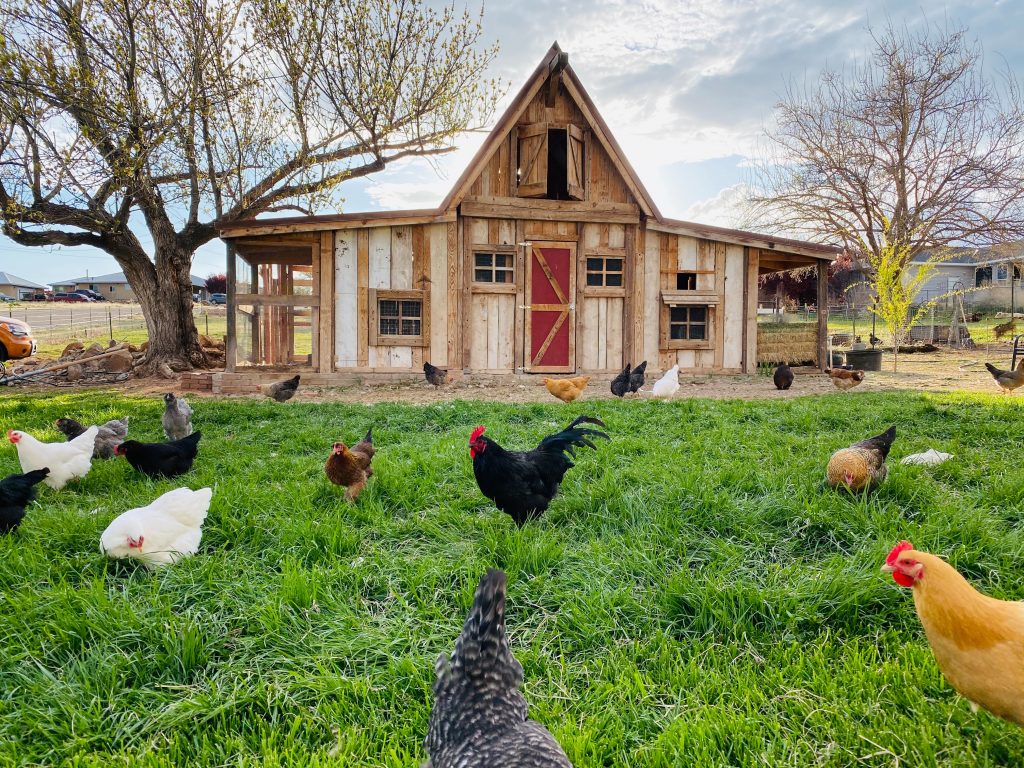
If you’re new to the world of raising chickens, it can be overwhelming trying to figure out where to start. But fear not! With a little bit of knowledge and some careful planning, you’ll be well on your way to a successful and fulfilling chicken-keeping experience. Here are our top 11 tips for raising chickens for beginners:

  1. Choose the right breeds: Different breeds have different characteristics, so it’s important to choose the ones that best fit your needs and lifestyle. Consider factors like egg production, size, temperament, and hardiness.
  2. Set up a safe and secure coop: Chickens need a place to sleep, lay eggs, and stay safe from predators. A well-ventilated coop with plenty of space for each bird is essential.
  3. Provide proper nutrition: Chickens need a balanced diet to stay healthy and produce eggs. Offer a mix of grains, vegetables, and high-quality commercial feed, and always make sure they have access to clean water.
  4. Keep the coop clean: Cleaning out the coop regularly will help prevent the buildup of harmful bacteria and parasites. Remove old bedding and manure, and use a disinfectant to keep everything fresh and hygienic.
  5. Protect against predators: Chickens are vulnerable to a variety of predators, including foxes, raccoons, and even neighborhood dogs. Make sure your coop is secure and consider installing a fence or electric netting to keep your birds safe.
  6. Provide plenty of space: Chickens need room to roam and forage. A small backyard can still accommodate a few chickens, as long as you provide them with enough space to stretch their wings.
  7. Consider the weather: Chickens are hardy birds, but they still need protection from extreme weather. Make sure they have a draft-free coop and access to shelter in case of rain or extreme heat.
  8. Don’t overcrowd: Overcrowding can lead to health issues and behavior problems. As a general rule, plan for at least 3-4 square feet of space per chicken in the coop and at least 8-10 square feet per chicken in the run.
  9. Handle with care: Chickens can be easily stressed, so it’s important to handle them gently and respectfully. Use a calm and gentle voice, and avoid chasing or cornering them.
  10. Keep an eye on their health: Regularly check your chickens for signs of illness or injury, and seek veterinary advice if necessary. Keeping your birds healthy will ensure a long and productive life.
  11. Have fun: Raising chickens can be a rewarding and enjoyable hobby. Don’t be afraid to experiment and try new things, and most importantly, enjoy the experience!
raising happy and healthy chickens

By following these simple tips, you’ll be well on your way to raising happy and healthy chickens. Whether you’re a seasoned pro or a beginner, these guidelines will help you create a fulfilling and successful chicken-keeping experience.


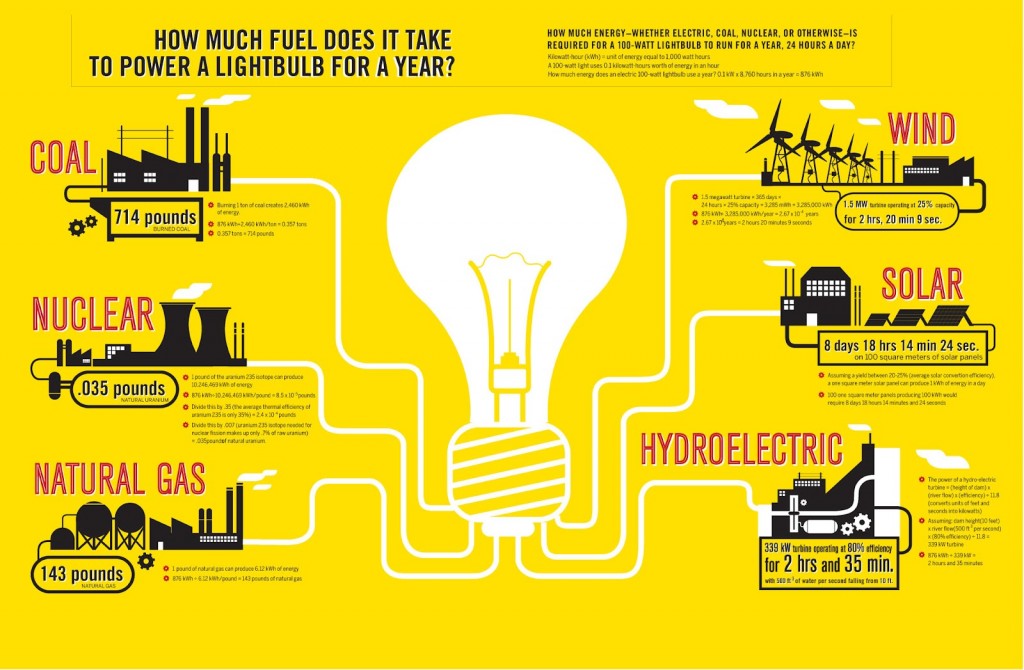
How Much Fuel Is Needed To Power A Light Bulb For A Year?

Image

What-it-takes-to-power-a-light-bulb-for-a-year

It is not possible to determine how much fossil fuel is needed to power a light bulb for a year without knowing the specific type of light bulb and the source of energy being used to power it.

Light bulbs are available in a range of wattages, which refers to the amount of electricity they use. A higher wattage bulb will use more electricity and therefore require more energy to power it. The amount of energy needed to power a light bulb will also depend on the type of fossil fuel being used to generate electricity. Different fossil fuels have different energy densities, which means that they contain different amounts of energy per unit of weight.

As a rough estimate, a 60 watt incandescent light bulb that is turned on for 8 hours a day will use approximately 528 kilowatt-hours of electricity over the course of a year. The amount of fossil fuel needed to generate this electricity will depend on the specific type of fossil fuel being used and the efficiency of the power plant that is generating the electricity. For example, a coal-fired power plant may use more fossil fuel to generate the same amount of electricity as a natural gas-fired power plant.

It is also worth noting that using energy-efficient light bulbs, such as LED bulbs, can significantly reduce the amount of energy needed to power a light bulb and therefore reduce the amount of fossil fuel required to generate that energy.

What items would you add to your survival preps to give you a power source if the electrical grid goes down?

Could you produce enough to live off the grid with solar, wind, or hydro?


Vitamin Supplements for Long-Term Survival: The Essential Guide

In a long-term survival situation, having access to a varied and balanced diet may be challenging. This is where vitamin supplements can come in handy, helping to ensure that you get the nutrients you need to stay healthy. But with so many options available, it can be difficult to know which supplements to choose.

the essential vitamin supplements you should consider storing for long-term survival

Here’s a guide to the essential vitamin supplements you should consider storing for long-term survival:

  1. Vitamin C: Vitamin C is an essential nutrient that plays a vital role in supporting the immune system, collagen production, and the absorption of iron. It’s also a potent antioxidant that helps protect cells from damage. In a survival situation, getting enough vitamin C can be challenging, so it’s a good idea to have a supply of vitamin C supplements on hand.
  2. Vitamin D: Vitamin D is essential for the absorption of calcium, which is needed for strong bones and teeth. It’s also important for immune function and the regulation of blood pressure. In a survival situation, getting enough vitamin D can be difficult because it’s primarily synthesized by the body when the skin is exposed to sunlight. If you’re unable to get enough sunlight, storing a supply of vitamin D supplements can help ensure that you get enough of this essential nutrient.
supplements can help ensure that you get enough essential nutrients
  1. Multivitamins: A multivitamin is a combination of essential vitamins and minerals that can help fill in any gaps in your diet. In a survival situation, a multivitamin can help ensure that you get all the nutrients you need to stay healthy. Look for a multivitamin that includes vitamins A, C, D, and E, as well as the B vitamins and minerals like iron, calcium, and zinc.
  2. Omega-3 supplements: Omega-3 fatty acids are essential for good health and are important for brain function, heart health, and immune function. They’re also anti-inflammatory, which can help reduce the risk of chronic diseases. In a survival situation, it may be difficult to get enough omega-3s from your diet, so storing a supply of omega-3 supplements can be a good idea.
  3. Probiotics: Probiotics are live bacteria and yeast that are beneficial for gut health. They help balance the bacteria in the gut and support the immune system. In a survival situation, it may be difficult to get enough probiotics from your diet, so storing a supply of probiotic supplements can be a good idea.
essential vitamin supplements

By storing these essential vitamin supplements, you’ll have a supply of nutrients to help you stay healthy in a long-term survival situation. It’s important to remember that supplements should not be a replacement for a varied and balanced diet, but they can help fill in any gaps and ensure that you get the nutrients you need.


New Year, New Survival Workout

Are you looking for a way to stay fit and prepared for any situation? 

 Survival Fitness Daily Workout Routine

Look no further than this Survival Fitness Daily Workout Routine! These easy-to-do exercises can be done at home, so you don’t need a gym or gym membership.

  1. Push-ups: This classic exercise targets your upper body and core, helping you build strength and endurance.
  2. Squats: Squats are a great way to strengthen your lower body and improve your balance.
  3. Lunges: Lunges work your lower body and help improve your balance and coordination.
  4. Planks: Planks are a great way to strengthen your core and improve your overall stability.
  5. Burpees: This full-body exercise will get your heart rate up and help you build strength and endurance.
  6. Jumping jacks: This cardio exercise will get your heart rate up and help improve your endurance.
  7. Mountain climbers: This dynamic exercise will work your upper and lower body, as well as improve your coordination and balance.
  8. Sit-ups: Sit-ups are a great way to strengthen your core and improve your overall fitness.
 Survival Fitness Daily Workout Routine

Remember, it’s important to have physical strength and endurance in order to protect yourself and your loved ones. Don’t let a lack of equipment or a gym membership hold you back – these exercises can be done with minimal equipment or no equipment at all.

Start incorporating these exercises into your daily routine and take control of your survival fitness today!


SODIS – And How to Use the Sun to Disinfect Water

Solar water disinfection, also known as SODIS, is a simple and effective way to purify contaminated drinking water. All you need is a transparent plastic bottle and some sunlight.

To use SODIS, fill the bottle with contaminated water and expose it to full sunlight for at least six hours. The sun’s UV-A radiation (wavelength 320-400nm) and the increased water temperature work together to kill harmful bacteria and viruses in the water. If the water temperature reaches 50°C or higher, the disinfection process is three times faster.

Mason jars can also be used for solar water disinfection, though plastic bottles may be easier to find and lighter to carry in a survival situation.

It’s important to note that SODIS is just one method of water purification and it’s always a good idea to have multiple methods at your disposal in case of an emergency.


The Health Benefits of Drinking Onion Water: A Nutrient-Rich Drink for Optimal Wellness

All the rage on TikTok, but the benefits of onion water have been around for centuries.

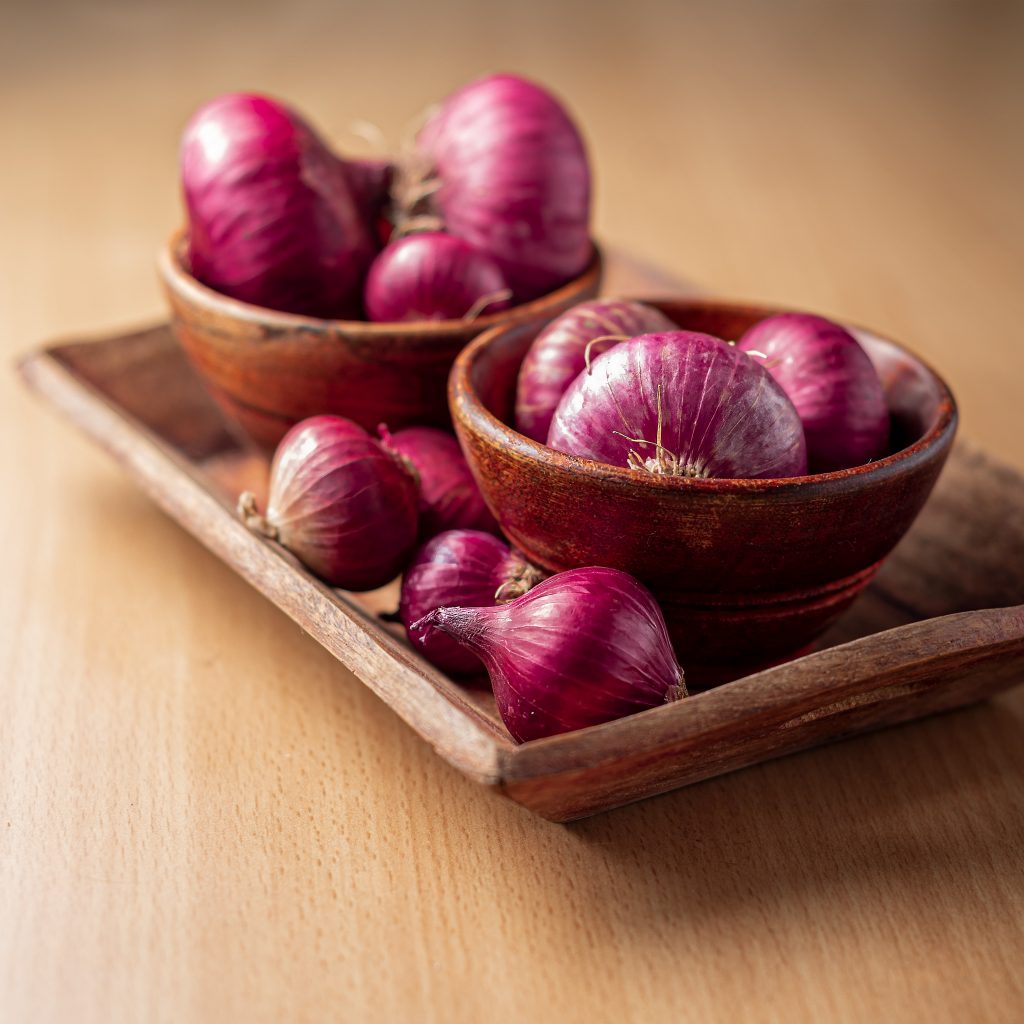
Onion water is a simple and easy-to-make drink that is packed with nutrients and has a number of health benefits. To make onion water, simply blend a few onions in a blender or food processor with water and strain the mixture through a cheesecloth or fine-mesh sieve. The resulting liquid can then be consumed as a drink.

Onion water is a healthy alternative to sugary drinks.

One of the main health benefits of drinking onion water is that it is rich in nutrients. Onions are a good source of sulfur, which is important for healthy skin, hair, and nails. They are also a good source of vitamin C, which helps to boost the immune system and promote healthy skin.

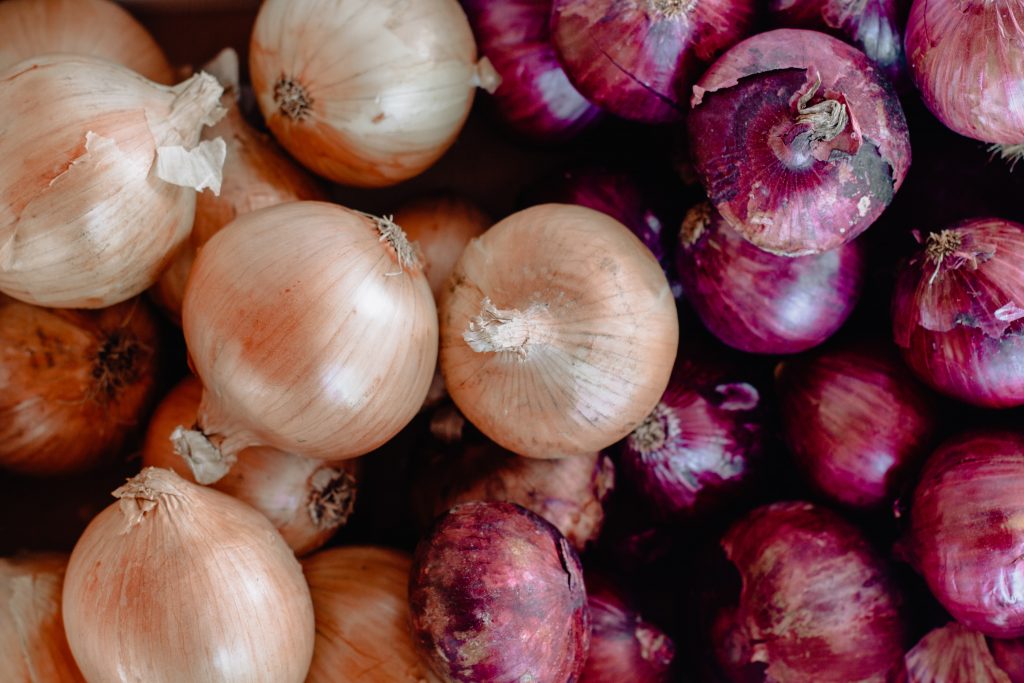
Any type of onion can be used to make onion water, but some varieties are more potent than others. Yellow onions tend to be the most effective, but red onions and white onions will also work.

In addition to the nutrients found in onions, onion water also has a number of other health benefits. It has been shown to lower blood pressure and cholesterol levels, reduce the risk of heart disease, and improve digestion.

Onion water is a simple and effective way to nourish your body and promote optimal wellness.

Overall, onion water is a simple and effective way to nourish your body and promote optimal wellness. It is a natural and affordable alternative to commercial drinks and can be easily incorporated into your diet. If you’re looking to improve your health, give onion water a try!


Survival Tips: The Importance of Having Multiple Options

In any emergency situation, it’s crucial to have alternative routes and options for transportation. While land-based options like cars and roads are often the go-to, don’t forget about the potential of water-based options in a crisis. Creeks, rivers, and other bodies of water can serve as valuable routes for travel, especially if roads are blocked or impassable.

One way to utilize water-based transportation is by using a canoe, kayak, or inflatable raft. These options allow for travel over long distances with minimal equipment and resources. In fact, in a worst-case scenario, a canoe or kayak could even serve as a temporary shelter if needed.

When it comes to survival, it’s always important to have multiple options and strategies in place. Don’t rely solely on one mode of transportation – consider the potential of using water-based options as well.

Here are a few top picks from our Year Zero Survival staff:

Travel Kayak 2 Person Inflatable Kayak

Travel Kayak Deluxe 12′ 2 Person Inflatable Kayak

Inflatable kayaks are perfect for bugging out, camping, vacationing, exploring remote areas, and cruising yachts. They’re also great for paddling enthusiasts that don’t want to drive around with a kayak on their rooftop! Travel Kayaks fit easily into the trunk of your car, duffel bag or suitcase. When you feel the itch to paddle, your boat is with you!

Inflatable Kayak

Rave Sea Rebel™ Inflatable Kayak

This one-person kayak inflates in minutes and features a water resistant dry bag and water bottle holder, with adjustable backrest. Includes a paddle, hand pump, carrying bag.

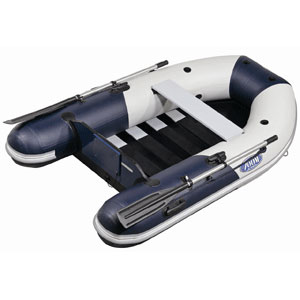
4 Person Inflatable Boat

4 Person Inflatable Boat

Gear bag, grab line, Four person inflatable boat.

Zodiac Zoom 230 Roll Up

Zodiac Zoom 230 Roll Up

It has an impressive load capacity so you can carry more supplies. The truncated cone tube ends provide great buoyancy.

Zodiac Wave – 5 Passenger

The big daddy of them all, The `Wave by Zodiac’ is an easy-to-use inflatable designed for a quick set-up and easy storage. The lightweight, durable design allows for rugged use in extreme conditions.


The Ultimate Guide to Long-Term Food Storage: Tips and Tricks for Preserving Your Food Supply

Guide to storing food for a long yime

Having a reliable supply of food is essential for survival, but how do you ensure that your food will last for the long term? In this guide, we’ll provide you with the tips and tricks you need to properly store your food for the long haul.

First and foremost, it’s important to choose the right foods for long-term storage. Non-perishable items such as grains, dried beans, and canned goods are great choices. You should also consider purchasing a food dehydrator, which allows you to preserve fruits, vegetables, and meats for extended periods of time.

Proper packaging is also crucial for long-term food storage. Use airtight containers to prevent contamination and extend the shelf life of your food. Vacuum-sealing is another effective way to remove excess air and prevent spoilage.

When it comes to storing your food, location is key. Choose a cool, dry place with stable temperatures to prevent the growth of mold and bacteria. A basement or cellar is a great option, as is a pantry or storage room with ample shelving.

In addition to these tips, it’s also important to rotate your food supply on a regular basis. This ensures that you are using the oldest items first and prevents waste.

By following these guidelines, you can ensure that your food supply will last for the long term and provide you with the sustenance you need in any situation.