17 Life Hacks Camping Tips that Will Save You Time and Money

Camping trips take a lot of organizing.

Storage space, unpredictable weather, and food supplies are just some of the things you have to consider when preparing a trip to the great outdoors.

This list of 17 life hack camping tips from GuideCool will tell you exactly what materials you need and how to put them together for the best trip possible.

Camping Hack #1 – Keep Your Keys Safe with Cork
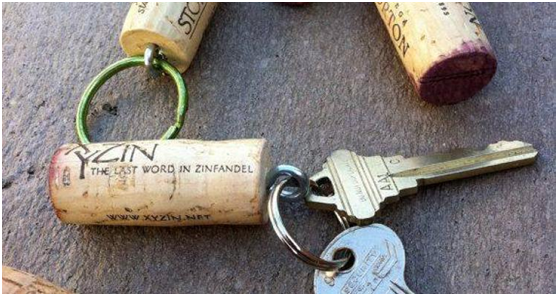
Camping Hack #1 Keep Your Keys Safe with Cork

If you plan on being near the water on your camping trip then get on board with this simple but effective trick.

Gone are the days of watching your keys fall to the bottom of the lake.

Plus, attaching an old wine bottle cork to your key ring takes less than a minute.

What Do You need?

A screw eye

A cork

How Do You Do It?

Simply twist the screw eye into the cork. Then attach your key-ring and you’ve got a buoyant set of keys.

Camping Hack #2 – Light up Your Tent with a Water Bottle Lantern
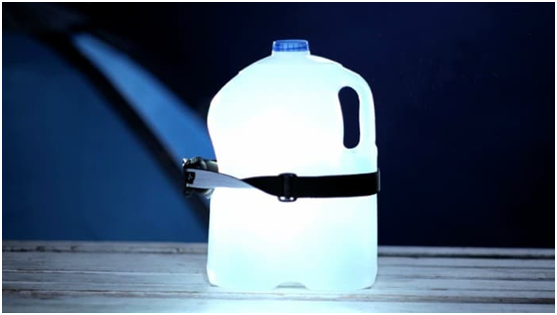
Camping Hack #2 Light up Your Tent with a Water Bottle Lantern

A water bottle lantern will easily light up your camping tent or camping area with minimal fuss.

What Do You Need?

A head torch

A water bottle

Clear tape

How Do You Do It?

Firstly make sure the water bottle is full of water. Then point the torch into the bottle.

Once you have the best angle that gives you the lightest, attach the torch to the bottle with clear tape.

Camping Hack #3 – Use a Bowl Speaker to Increase the Volume of Your Music

Camping Hack #3 Use a Bowl Speaker to Increase the Volume of Your Music

Most camping fans listen to music or podcasts through our phones from time to time, but the sound is never loud enough for a group. Luckily, this simple hack changes that.

What Do You Need?

Smartphone

Camping Bowl

How Do You Do It?

Place your phone with the music or podcast playing into the bowl.

The key here is to point the phone’s speaker towards the bottom of the bowl.

The sound waves then reverberate around the bowl as it acts as a speaker, filling the air with sound.

Camping Hack #4 – Use a Watering Can Shower to Wash off the Day’s Activities
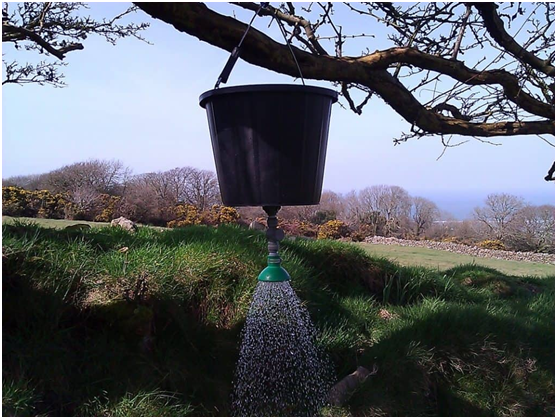
Camping Hack #4 Use a Watering Can Shower to Wash off the Day’s Activities

Smelling fresh and staying clean on a camping trip can be tricky, especially if you spend a few nights in the wild.

However, this homemade shower means the beauty of adventure doesn’t have to mean sacrificing hygiene.

Watering cans can take up valuable packing space, so it’s a good idea to use them for storage while they aren’t being used.

Packing them up with your bathroom products or plastic-wrapped foods like pasta works perfectly.

What Do You Need?

A good-sized watering can

Bungee Cord

How Do You Do It?

Fill the watering can full of water and put it out in the sun.

You can even leave it by your camp in the morning before you head out for the day.

When you get back your warm shower will be ready.

Your challenge is to find a place to hang the watering can at an angle so it pours the water evenly.

Loop the bungee cord through the handle. Then find a tree branch above head height to attach it to.

As the water slows down, simply move the bungee further along the handle to create an angle so the water keeps on flowing.

Camping Hack #5 – Keep Your Clothes Fresh with a DIY Washing Machine
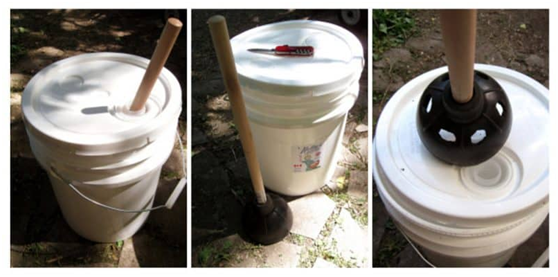
Camping Hack #5 Keep Your Clothes Fresh with a DIY Washing Machine

Camping trips are almost always full of activities. And, while long hikes and kayak trips down river create amazing memories, they also create dirty clothes.

Luckily, this simple washing machine will have your t-shirts and shorts feeling home washed in no time.

What Do You Need?

A standard bathroom plunger

Water Container (Size varies on storage space)

Knife

How Do You Do It?

The water container can be of any size.

Big18 liter water buckets are perfect because the water really gets to move around.

However, standard plastic washing up basins also works well.

It all depends on how much space you have for storage.

Once you have the container, fill it up halfway with water and some laundry detergent. (Baking Soda is a great camping substitute for detergent).

Let your clothes soak for 10 minutes while you prepare the plunger.

Using the knife, cut six evenly spaced holes in the plunger.

They should be the size of the top of your thumb. About half an inch around.

Then start sloshing around the water with your plunger washing machine! The average item of clothing takes about 10 minutes to clean.

Camping Hack #6 – Eat Like a King (Even if it’s wet) on this Swedish Fire Stove
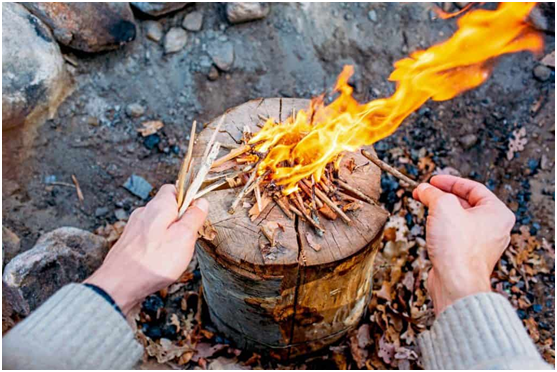
Camping Hack #6 Eat Like a King (Even if it’s wet) on this Swedish Fire Stove

The Scandinavians know their fair share about surviving outdoors. This Swedish Fire Stove can be premade and then used if the weather takes a turn for the worst.

What Do You Need?

Six logs of wood

Strong Wire

Wood Shavings

Fire Lighters

How Do You Do It?

You can either buy the wood before you go or go out looking for it once you’re at your campsite.

Either way, you will need six logs of a similar height.

Place the logs together so they make a circle and bound them with wire.

The key here is to leave enough space in the center of the logs to place your firelighters and wood shavings.

Mix the firelighters and wood shavings together before you push them into the center of the six logs. This way, when you come to light them you won’t have any trouble starting a flame.

You can also store the fire starter mix away from the logs until you use them together.

Once the flame is lit you can expect your stove to be ready in around 30 minutes. During this time you may need to gently blow into the logs to stoke the fire.

The logs will start burning within the center and create an enclosed heat perfect for cooking on. So just place your pot or pan on top of your stove and enjoy your meal!

Camping Hack #7 – Satisfy Your Sweet Tooth with this Banana + Mars Bar Dessert
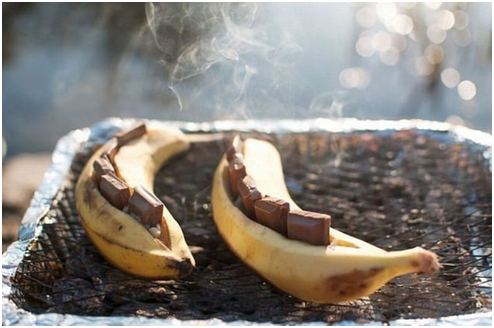
Camping Hack #7 Satisfy Your Sweet Tooth with this Banana + Mars Bar Dessert

After a long day in the woods, there’s nothing better than a sweet bite of this campsite dessert. Plus, the banana offers a great source of magnesium to help with muscle recovery.

What Do You Need?

Bananas

Tin Foil

Mars Bars

How Do You Do It?

Make a cut in the banana from the top to the bottom. Do not cut all the way through.

Slice the Mars Bar into slivers. Then push the slivers inside the banana.

Wrap the Mars Bar filled banana in tin foil and then place into the fire. Try not to eat in 2 seconds!

Camping Hack #8 – Save time and Boost Energy with Pre-made Oats
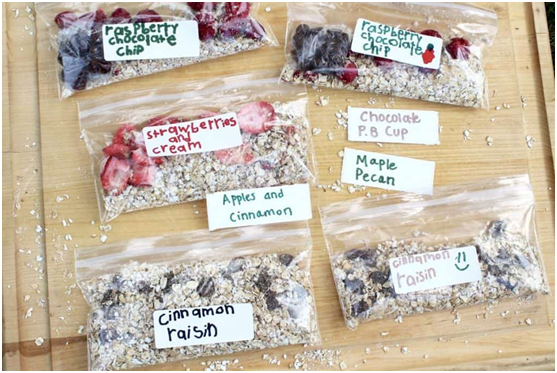
Camping Hack #8 Save time and Boost Energy with Pre-made Oats

Oats are an amazing carbohydrate packed full of B-vitamins that help to metabolize your energy so you can keep going way past lunchtime.

It can be tiresome preparing them every day, however, so follow this guide for a tasty and convenient breakfast.

What Do You Need?

A Ziplock Bag or Jar

Rolled oats

Your favorite dried berries and fruit

Your favorite nuts and/or seeds

A dollop of honey

How Do You Do It?

There are two options. You can either make a large batch and store it all in one container, or make separate daily rations.

In both cases, you mix at a ratio of:

1 cup of rolled oats

Half a handful of berries/Fruit

Half a handful of Nuts/Seeds

A teaspoon of Honey In the morning, add two cups of water for every cup of mix. Heat gently and stir until your desired consistency is reached.

Camping Hack #9 – Take Corn Chips for Food and Fire
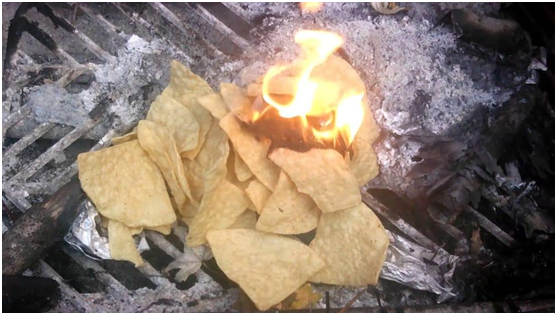
Camping Hack #9 Take Corn Chips for Food and Fire

Corn chips are cheap and, like all good camping hacks, are useful in more than one way.

We all know they are great for a trail snack on a long hike, but actually they make a decent backup for firelighters as well.

What Do You Need?

Corn Chips of any variety

How do You Do It?

The eating part is pretty straightforward, obviously. And actually so is the fire part.

Corn chips will burn a little slower than matches if you put a flame to them. Perfect for using inside your Swedish Wood Stove or tucked under some kindling in a traditional fire.

Camping Hack #10 – Throw Your Beans in the Fire, Get in the Cowboy Spirit
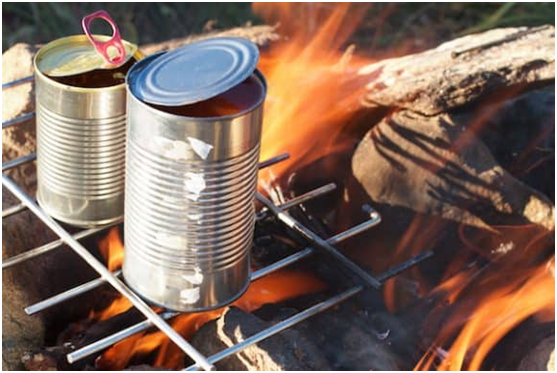
Camping Hack #10 Throw Your Beans in the Fire, Get in the Cowboy Spirit

This little camping hack dates way back to the American frontier, because cowboys didn’t much like washing plates either.

A tin of beans will go straight in the fire and start bubbling when they’re ready.

What Do You Need?

An open fire

How Do You Do It?

Peirce the top of the can with a knife. This gives the heat inside the can somewhere to go and stops the contents inside from burning.

It also acts as a whistle to let you know when they’re boiling.

Place your can of beans on the edge of the fire and wait.

Also, remember to use a wet cloth or a pair of tongs when you take the can back out of the fire.

Camping Hack #11 – Pack Vinegar for the Ultimate Multi-Purpose Cleaner
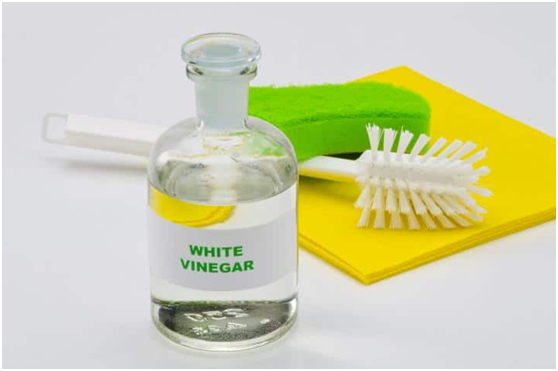
Camping Hack #11 Pack Vinegar for the Ultimate Multi-Purpose Cleaner

Vinegar is one of those special substances that can do everything.

First and foremost it’s a great cleaner because of its acidity.

It’s perfect for camping because it’s non-toxic, so you can freely clean with it without having to worry about your effect on the surrounding environment.

The same cannot be said about most generic cleaning agents.

What do You Need?

White vinegar is best for cleaning because it doesn’t have much of a smell.

Darker vinegars still work great but if you don’t like the smell of vinegar you may want to avoid them.

How Do You Do It?

If your cool box or any cooking equipment starts to smell, empty it out and soak it in undiluted vinegar.

After an hour or so wash it out with water and the bad smell will be gone.

If you have a propane lantern you can soak the wicks in vinegar for half a day and expect your lantern to burn brighter and longer that evening.

Camping Hack #12 – Use Candle Wax to Un-Jam Zips
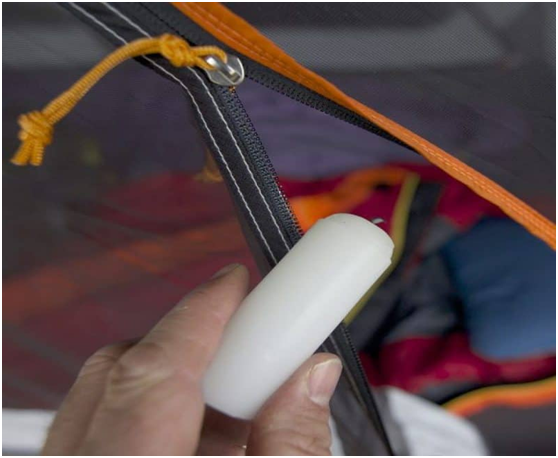
Camping Hack #12 Use Candle Wax to Un-Jam Zips

There are few more irritating things than a jammed up sleeping bag zip.

Apart from maybe a jammed up tent zip.

The process of delicately trying to move the zip without breaking either your sleeping bag or tent door can be a painful one.

Luckily, that spare candle you packed can get rid of this problem forever.

What Do You Need?

Any candle, preferably unscented. You want the wax to be as pure as possible.

How Do You Do It?

Gently rub the wax onto the jammed area.

Then gently move the zip up and down. The wax will act as a lubricant and help you to slide the zip to safety. Do not use too much wax initially. This can lead to the wax itself jamming the zip.

Camping Hack #13 – Stop Stifling Hot Mornings with an Emergency Blanket
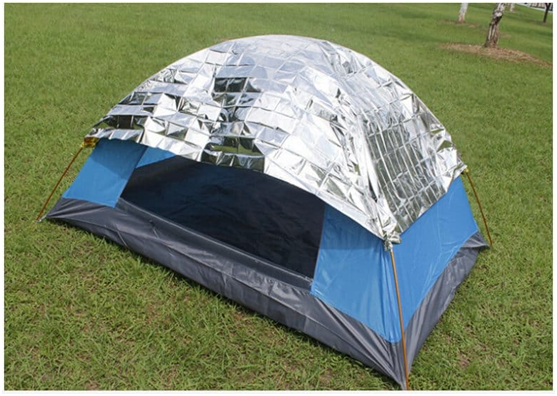
Camping Hack #13 Stop Stifling Hot Mornings with an Emergency Blanket

Waking up in a hot, sticky tent can take the fun right out of camping.

There is a really simple way of making life a lot more bearable when the sun beats down through the trees, or if you’re staying in an open campsite.

What Do You Need?

An emergency blanket (Foil Wrapped)

Reflective blanket

How Do You Do It?

Place the blanket over the tent where you expect the sun to hit in the morning.

You can use more than one although consider the weight and how it may affect your tent’s structure.

Well placed, the reflective blanket will keep the sun at bay until you’re good and ready to start your day.

Camping Hack #14 – Keep the Mosquitoes Away by Burning Sage
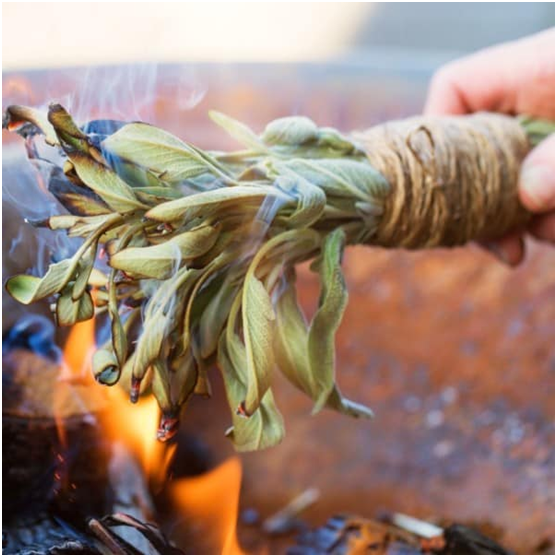
Camping Hack #14 Keep the Mosquitoes Away by Burning Sage

Burning sage is an effective and natural alternative to keeping mosquitoes away from your campsite.

The plant has also been found to clear almost all bacteria from the air, creating a much cleaner and hygienic living area.

What Do You Need?

Sage leaves. Bundles of sage are available to buy online for less than $4.

How Do You Do It?

Light the sage and blow gently so it begins to smoke.

Then place your bundle near to where you are sitting so the smoke wards off any mosquitoes.

Camping Hack #15 – Stop the itching from bug bites with household items

Camping Hack #15 Stop the itching from bug bites with household items

It’s never fun getting bitten by a mosquito, especially when you forgot to pack a soothing gel and the itchy pain won’t go away.

Interestingly, there are loads of household items that will help to soothe the irritation. Below is a list of the most effective ones.

What Do You Need?

Vapour Rub – The Eucalyptus extract helps to soothe.

Aspirin – Salicylic Acid is an anti-inflammatory

Thousand Island Dressing – This really works! How? It’s just one of life’s big mysteries.

How Do You Do It?

Crush the aspirin down with water to make a paste and then cover the bite.

The vapor rub and dressing can be gently applied to the area.

Camping Hack #16 – Store Your Seasoning in Tic Tac Boxes and Make Your Campfire Food Taste Great
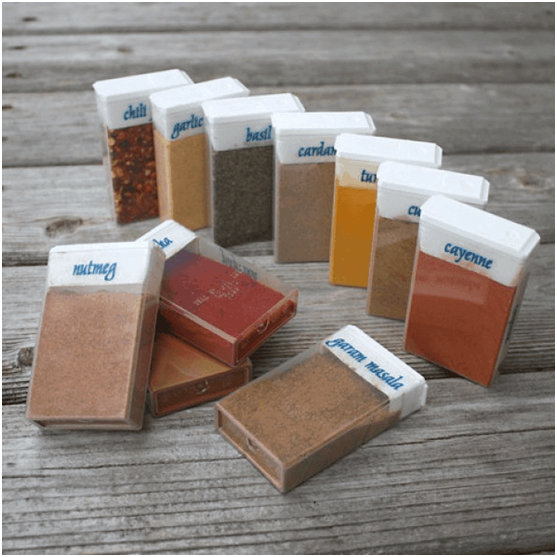
Camping Hack #16 Store Your Seasoning in Tic Tac Boxes and Make Your Campfire Food Taste Great

Slow cooking on a campfire is one of the best ways to eat food.

So it makes a lot of sense to bring your favorite spices and seasoning with you.

The problem is that they often come in odd-shaped bottles and are prone to spill.

That’s why those refreshing little mints provide excellent storage cases for travel-size seasoning supplies.

What Do You Need?

Empty tic tac boxes

A marker pen for labels

Elastic band

How Do You Do It?

Fill the little boxes with your chosen delights and label them.

Store them by tying them together with an elastic band.

Camping Hack #17 – Use an Old Tool Belt to Keep your Camping Essentials Organized
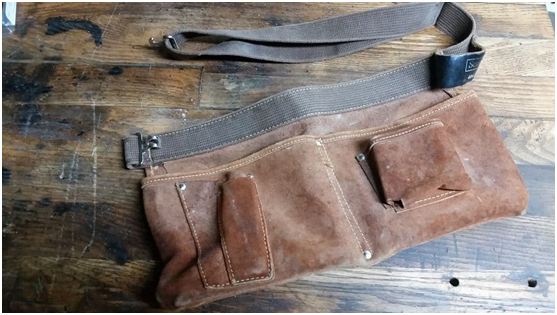
Camping Hack #17 Use an Old Tool Belt to Keep your Camping Essentials Organized

It’s so easy to forget where you put the torch when you need to leave the tent at midnight.

An old tool belt is a brilliant camping hack when it comes to storing your essential items.

Plus, it’s a reusable item that’s just been sitting in the garage collecting dust in its many useful pockets.

What Do You Need?

A multi-pocketed tool belt.

How Do You Do It?

Make a list of the items you think you will need the most during your trip.

That will depend on the type of trip, but in most environments, you’re going to want a torch, a knife and some rope tucked into the conveniently place pockets of your new storage system.

Conclusion

Little improvements to your camping experience can make a huge difference to your enjoyment and safety in the great outdoors.

Preparation is everything.

We hope these 17 Lifehack camping tips will set you up for a great trip and remember to share them with other people on the trail.

Bio

I am Jacob, the man behind GuideCool. I’m an incredibly enthusiastic (my friends would say nigh-on fanatical!) outdoors person and spend a lot of my time either in the mountains or planning my next trip. And my wife? She is passionate about seeing new places, meeting the people who live there, and immersing herself in another culture. We create GuideCool to share our travel life with others. I hope you enjoy our 17 life hacks camping tips.
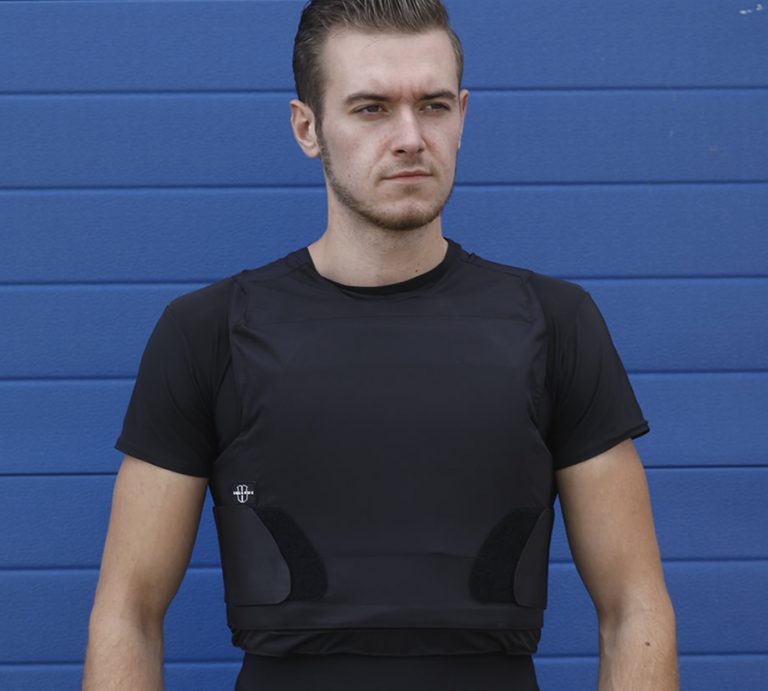
 

Should You Be Including A Body Armor In Your Survival Gear?

Being prepared for a disaster is something that everyone should do. And this is not a rule that only military and law enforcement professionals should observe. Even civilians need to have the right kind of tactical gear to cope with the adverse situations they may come across at any point in time. Speaking about tactical equipment, one piece that you may overlook is body armor. However, this is one of the most important pieces for civilians and law enforcement professionals alike. At the same time, it is also legal in most of the states. So even if you aren’t a security personnel, you can still buy one. Before you decide whether you should include body armor in your arsenal, here are some facts that you should know.

Should You Be Including A Body Armor In Your Survival Gear?

What is body armor? 

Even before you contemplate buying body armor, you need to understand what it exactly is. Essentially, body armor is a piece of gear (usually a vest) that covers your body to protect it. This means that you may even consider a helmet as body armor because it protects your head. Often, body armor is used interchangeably with bulletproof vests but may not necessarily be resistant bulletproof. At the same time, it may be strong enough to slow down a bullet if not completely stop it. 

The popular base material for modern armors is Ultra High Molecular Weight Polyethylene (UHMWPE). It comprises plastics that are tightly woven for giving them added strength and making them capable of dispersing a bullet’s energy as it makes way through different layers of the protective gear. Besides the ones made out of UHMWPE, you can also find armors that are crafted with Aramid steel. This variant is heavier in weight but offers protection comparable to the UHMWPE counterpart.

What are the types of body armor you can explore?

It has already been explained that body armors are usually made of UHMWPE and Aramid UHMWPE and steel. Besides these, there are different variants available in the market. If you want to explore the options, you can choose to buy body armor from engardebodyarmor because there is plenty of choices here. The best part is that you can shop online discreetly in just a few clicks, without even having to step out.

Here are variants that you can explore:

Soft body armor: 
These soft armor packages consist of a certain amount of flexible layers of PE and/or Aramid. This type of armor is capable of stopping a round from handguns penetrating through it by decelerating it rapidly. This usually results in the bullet deforming or “mushrooming” (and ultimately stopping) the bullet falling after it hits the armor (unless you are unlucky). The successive layers of the material of the vest absorb the bullet’s energy and gradually stop it before it is able to penetrate.

Hard Body Armor: This category is segregated into three types on the basis of plates being used in them.

Ceramic plates:  The armors made with ceramic plates are stronger than soft ones when it comes to resisting rifle rounds. Ceramic plates use a combination of layers of PE/Aramid with Ceramic. The Ceramic part is placed a strike face side of the panel. The ceramic breaks the incoming round and the PE/Aramid package part of the plate absorbs any fragments left. Essentially, ceramic has the potential to slow down the bullet in addition to fracturing its impact. On the downside, ceramic cannot take multiple rounds because the plates become weaker with each round just as it happens with  soft armor. Further, these are heavy in weight and you cannot wear them without an additional carrier.

Polyethylene plates: A variant in body armors that has become popular in recent times is that made in polyethylene plates. These polyethylene plates (PE) are made from layers of PE (UHMWPE) that are pressed together under very high pressure and temperature. These plates can weigh around 1-1.5 kg in comparison with their ceramic plate counter part weighing 3-3.5 kg. However these polyethylene plates do not stop armor piercing rounds.  They can slow down the bullet by “mushrooming” effect and the bullet is actually caught in the plate. Weight reduction is the main benefit of these plates.


Steel plates:
Steel is another variant you can find in hard body armor. Compared to the other variants, it is quite a poor performing product as rounds tend to ricochet. These plates are cheap but very heavy. So you will seldom find professional operators using this type of armor these days. Still, steel emerges as the best choice if you are on a budget because it provides ample protection and does not cost a fortune.

You can explore these options and find the one that matches your requirements and budget.

How can you fit the body armor? 

The fitting of body armor matters the most, irrespective of the variant you opt for. Ideally, it should provide coverage for the main areas of the torso, including your front, back, and sides. The purpose is to protect your ribs and vital organs from potential bullet attacks. Also, you need a good fit to get the right level of protection. This is done by proper positioning and correct adjustment of the armor. 

Do you really need body armor? 

Now is the most important question, whether you really need body armor. The answer is that it is completely up to you. For example, if you are in the law enforcement department, this is one piece of tactical gear that you cannot just manage without. On the other hand, it can act as a lifesaver in a defensive scenario even for a civilian. Whether it is a disaster or an attack, body armor can be a great thing to keep you safe. You may feel protected just because are armed. But remember that your attackers will be armed too and wearing protection can actually save your life in the worst situations. Even if you are a civilian, wearing armor gives you the confidence that you may need when facing survival issues.

Can body armor actually save your life?

Body armor can absolutely play the role of a lifesaving gear but wearing it does not guarantee complete protection. The truth of the matter is that you need to choose one that is strong enough to maximize your chances of survival even from bullet attacks. If you have the right one on, the probability of survival increases to a significant extent. When you buy body armor, its NIJ rating is a factor that you should consider. NIJ refers to the National Institute of Justice while NIJ rating is a global rating system that is used as the ballistic standard of resistance. A reputed manufacturer always mentions the NIJ rating for the armors he sells. The rating is classified from Level IIA to Level IV.Level I to Level IV and the higher is obviously better.  Level IIA, II and IIIA are ratings for handgun protection (soft armor). Level III and Level IV are ratings for rifle protection (hard armor).

What factors should you consider while choosing a carrier?

Besides choosing the right body armor, you also require a carrier irrespective of the fact whether you are picking soft or hard armor. A carrier is basically a textile piece that has pockets in which soft armor panels and/or hard armor panels can be placed.

The best carriers are made out of cotton or polyester and have Velcro straps. There are adjustable variants that allow you to attach other gear such as extra pouches to them. When you choose a carrier, steer clear of elastic because it weakens with time and eventually the vest may sag. It is not advisable to wear one that does not give you a snug fit because the vulnerable areas of your body will get exposed.  

Considering these key facts about body armor, you will realize how important it can be in combat situations. Though nothing can guarantee survival at such adverse times, this protective gear increases your odds to a significant extent. Make sure that you pick one from a good brand and also a piece that offers a snug fit for great protection. Still, you should not get overconfident because this attitude can make you slack about your safety!


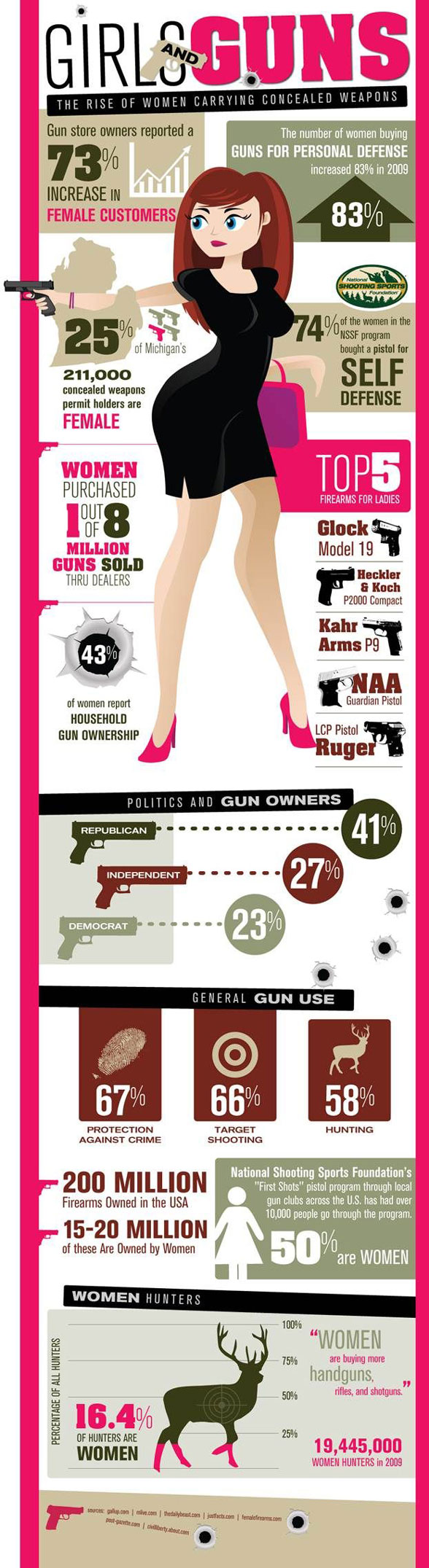
The Rise of Girls and Guns – infographic

Girls and Guns

With the start of the world and political unrest domestically, more and more women are choosing to protect themselves. Learn, train and survive.


How To Choose The Best Instant Tent For Camping

Instant tents take the hassle out of camping due to how easy they are to carry around and set up. However, with a few different types available, it can be tough picking one for yourself. In this article, we’re going to help you make the right choice when it comes to instant tents, and cover all the basics that you need to know. 

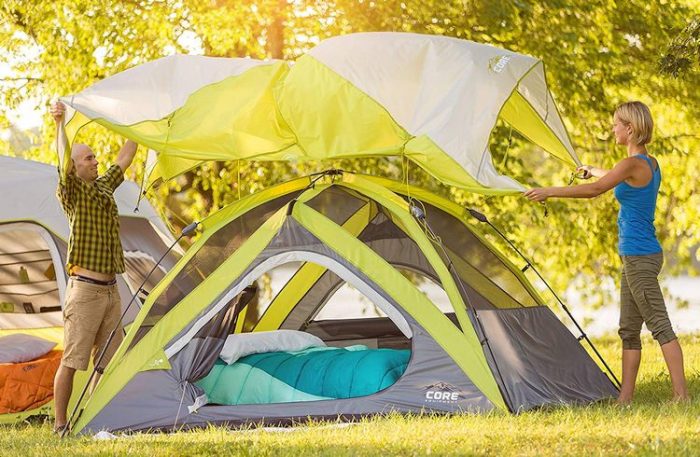
Best Instant Tents - Representation Image - Core Instant Dome Tent

Instant Tents – What Are The Benefits? 

Ease of Use

Instant tents are just what they sound like – they can be pitched in no time at all, thanks to the fact that there are poles already attached to the body. Hence, even first-timers can set up camp without anyone’s aid or having to read through a manual. 

Price

An instant tent for camping can vary in price from cheap to very expensive, depending on the brand and the size. As a result, you can find several that fit your budget. 

Time-Saving

Imagine there’s a storm approaching and you need to set up a shelter as soon as possible. With regular tents, there’s a high probability of you getting soaked before you’re done pitching them. If you’ve got an instant tent, on the other hand, you’ll be done in less than a minute!

Freestanding

This means that you’re able to pitch an instant tent on any terrain without needing to stake it down. As a result, you can always adjust the position if necessary. However, when winds are particularly strong, it may be a good idea to go ahead and pin the tent down with stakes.

What Size Is Right For You? 

Instant tents come in both large and small sizes. If you go camping with friends or family, then it might be better to go with the former. However, that isn’t the only reason to go for a larger tent. If you’ve got claustrophobia, for instance, the extra space can help you feel more comfortable.  

The only drawbacks with larger tents are that they tend to be pricier and can be harder to carry around.

Which Type Of Instant Tent Should You Pick?

There are two main types of instant tents to choose from – cabin and dome. Let’s take a look at each:

Cabin Tents

These come in either square or rectangular shapes (hence the name) and are usually able to house anywhere from 6 to 12 people. In addition, cabin tents usually have tall ceilings, allowing people to walk around without having to hunch. In addition, the roof is made out of mesh materials, which means that you can stargaze at night. 

Typically, cabin tents come fixed with strong poles that can stand their own against the roughest winds. On the flip side, cabin tents do come with a couple of downsides. First of all, they’re quite heavy to carry around. Secondly, they can’t be repaired easily if something breaks. Due to the size, it may be difficult for just one person to pitch a cabin tent without help. 

Dome Tents

These are much smaller than cabin tents, meaning that you can’t walk around in them comfortably. However, there are quite a few pros to having these type of tents. For starters, they can be set up in a minute or so, while cabin tents take longer. Plus they’re lighter as well, while still being able to withstand rough winds. Furthermore, they just require one person to set up.

At the same time, there are a couple of negatives, like being unable to take them apart to make it easier to carry. In addition, you have to keep it fixed in the ground while it dries.

Instant Tents With Screened Porches

You’ll come across instant tents that contain screened porches. These are ideal for summer and spring camping because you can let in some sunlight without having to open up any flaps. Hence, you don’t need to worry about bugs getting inside the tent.

Are Fast Pitch And Instant Tents The Same?

Even though the names sound similar, fastpitch tents are not the same as instant tents. In fact, there are quite a few differences between the two. The biggest is that the fastpitch is faster to set up. This is due to the fact that the poles are pre-assembled inside the body, unlike instant tents. In addition, most fastpitch tent models come equipped with a hub as well. 

In Summary

Instant tents can make campers’ lives much easier, considering all that they offer. To begin with, they’re very quick and easy to set up – so much so that even amateurs can make do without any instructions. In addition, they are freestanding and come in a variety of price ranges and sizes. 

The two types – cabin and dome are suited for different scenarios. The former is more suited for larger groups while the latter is perfect for the single camper. 


Lost In The Wild: Survival Skills That You Can Always Depend On

A close friend who was reported missing for several days made it back and recounted his ordeals in the Amazon. Surely, he would not have returned alive if he hadn’t some survival skills. Not many people hope to be lost in the wild. People may lose their way for many reasons such as hunting or hiking in unfamiliar locations, after some mishap of shipwreck or air crash, or even a war situation. Sometimes, one could even decide to get lost in the wild just to test his ability to survive!

Lost in the wild: Survival skills that you can always depend on

You owe your survival in the wild to two major factors: Luck and your survival skills. If you do not want to gamble with your life, then you should acquire some basic skills in preparation for any sticky situation. Below are ten survival skills that should get you going:

Skill #1: Constructing a Shelter

Constructing a shelter helps you in several ways. It shields you from the harshness associated with the wilderness. Life is easily taken out by hypothermia than starvation or dehydration. You can build your shelter by leaning logs of woods against the main structure and then pile debris from the ground and leaves on top of it. You generally need some tools when building a shed. Ensure that the ground of the shelter is dry (probably spread with dry leaves). Your shelter should be designed in such a manner that it protects you from the cold ground, open-air and wind.

Skill #2: How to Find a Source of Water

Once you are in the wild, the first thing you should do is to find water. Bodies of water are always located in earth depressions or valley between mountains. The reason is that water flows downhill. Let your compass be your guide as you wander away from your base where you have always constructed a temporary shelter.

Where water is not located, you then have to dig up the earth in the valley a foot deep or more and place lined leaves or a piece of clothing inside it to filter the water as it gradually fills the small pit.

Skill # 3: How to Search for Food

In terms of surviving while lost in the wild, one has to source for food to replenish the out-burning calories in the body. Although human beings can stay for weeks without food, there is still the need to eat to get refreshed with needed energy.

Think of food that you could easily find in the wild. However, if you had found a large body of water, using your fishing hook to get fresh fishes for protein readily comes to mind. Besides this, you can make some animal traps in the forest. Other tips to finding food include tracing of trees that have edible inner bark. The wild is filled with such trees. Your knowledge of some local nut trees makes it easier for you to find them in the wild.

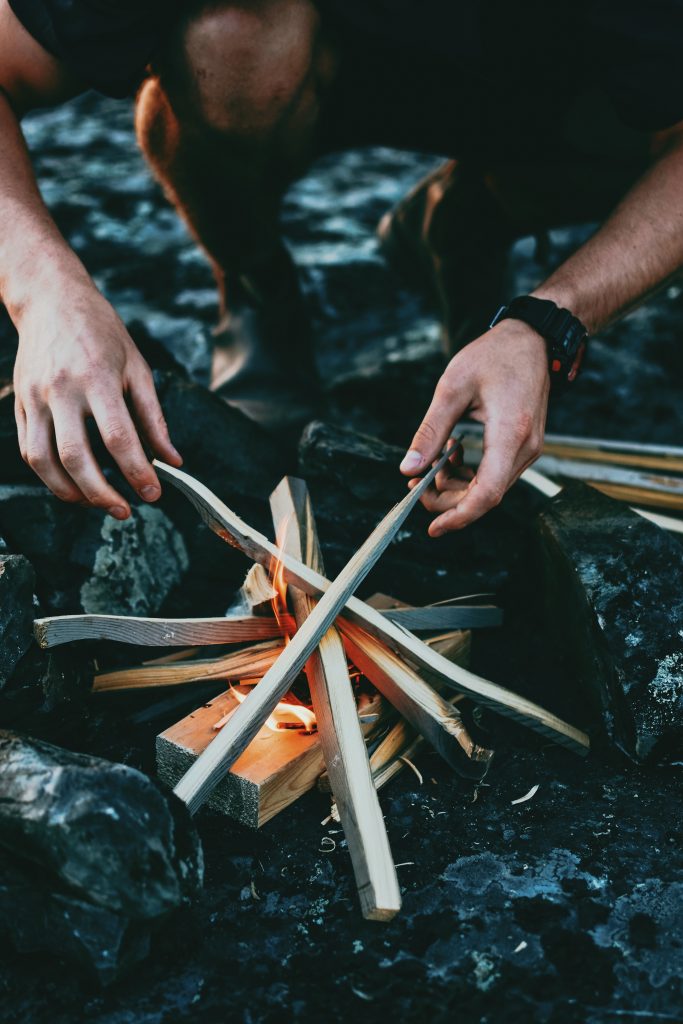
Skill #4: Igniting a Fire

Your ability to make fires while in the wild is essential. Fire would give you warmth. When you are wet or in a chilling cold night, five to ten minutes of warmth from the fire can save you from possible death caused by hypothermia. Striking one stone against the other over dried and rusty leaves severally in quick succession will spark off the fire. It is more advisable to acquire the easier method of making fire, which is through the bow drill skill. As soon as a fire is made, keep it burning throughout the night and the days that follow. Fire will help you make food, keep you warm, and scare away predators.

Your ability to make fires while in the wild is essential.

Skill #5: Sending Smoke Signals

Remember the stories of ancient Red Indians, who were skilled in sending messages across miles with sending clouds of smoke into the atmosphere?  You do not have to be like the Red Indians anyway. All you need to do is to choke your fire with dried leaves to send up cloudy smoke into the atmosphere during the day. This will enable possible rescuers to spot your location in the wilderness easily.

Allow the upward flow of smoke to rise consistently into the air when you are trying to attract attention and help. This smoking skill is normally done in broad daylight upon mountaintops.

Skill #6: Water Discipline

There might be a scarcity of water, especially if you find yourself in desert prone areas. All you need to do is to maintain a high degree of water discipline, which means drinking one or two mouthfuls of water and carrying it for a very long time before taking another gulp of water.

Surviving in the wild requires taking drastic measures as well. Perhaps, you may have no option than to drink your urine in places where there is an absolute lack of water.

Skill #7: Self-Disguising

An enemy might be lurking around the forest. You need to disguise yourself by hanging on some green leave around your body. As you move around the greenish bush on green leaves, you will be hardly noticed. You may need to rub your face and hands with either mud or charcoal.

Skill #8: Herbal Knowledge

Good knowledge and use of medicinal herbs is yet another skill you need to acquire. Knowing where to source for these herbs in the wild will help you boost your immune system against fever and infections.

Skill #9: Follow Water

Life largely depends on water. So if you ever find where there a stream or river, follow its flow. Chances are that you are likely going to meet a settlement of people who depend on the river for their survival.

Skill #10: Maps and Compass Reading

Reading of maps with a compass will be very helpful while navigating your way in the wild. This tool never disappoints, as it continues to work under any sort of weather condition. Even where you do not know how to read a map or use the compass, you just have to follow the tip pointing to the North Pole to get to your destination. Sometimes, you may climb a high ground to see where you are heading.

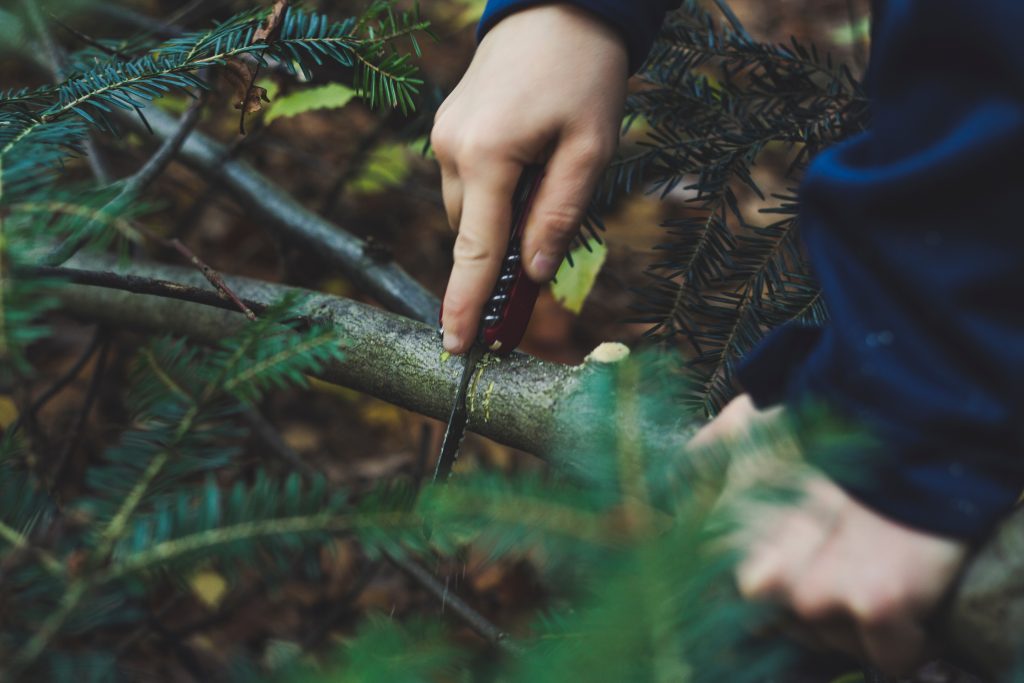
The Eleventh Skill – The Survival Tools/Weapons: You will require a tool or more to complete each of the above mentioned tasks. Most importantly, you need some sort of weapon to defend yourself when the need arises. Since you cannot carry a big box of tools and weapons around, I’d recommend you always carry a portable survival knife with you. Knifing skills should be the first anyone should acquire in preparation for survival in any environment. Quality is a very important factor to consider when choosing a multipurpose knife. Only the best survival knife can be used to cut sticks and thick tree barks, catch fishes, dig holes, tear meat, fight off predators and help you through any sticky situation.  I have a personal resolve to always carry a good pocket knife along with me.

In summary, you’re better off not getting lost at all. But should you miss your way in the wild at any time, with these basic skills, you stand a chance of returning alive with an interesting survival story.

5 Legal Self Defense Weapons You Should Consider Buying

Whether you are at home or traveling, safety matters the most. After all, you would not want to be attacked or threatened at any time. The best way to deal with the risks is by having a self-defense strategy in place. While you can learn some physical tactics, carrying a weapon or two can make you feel safer and more confident anywhere. But you would want to carry only the ones that are legally permissible because anything that is not can get you into trouble with the authorities. Here is a list of legal defense weapons you should consider buying for being safe everywhere and at all times.

What are the 5 Legal Self Defense Weapons You Should Consider Buying?

Pepper spray

Perhaps the best weapon that you can carry for being safe while you commute and travel is pepper spray. It is lightweight and easy to carry as you can just slip it into your bag or pocket. Moreover, pepper spray is easy to take out and use when you are in potential danger. There is a good choice available if you want to pick the level of potency, though even the lightest one can be highly effective.

Tactical knife

A tactical knife is small in size yet effective and easy to use when it comes to defending yourself from an attacker. You can choose a flip open variant or one that can be carried in a holder on your side. Flip open knives are easy to conceal while the side-holder ones are easier to access when you are in danger. Tactical knives, though, are not legal everywhere.

Stun guns

Stun guns are effective self-defense weapons that enable you to shock the attacker. Since these are non-lethal, you need not fear legal restrictions in most of the places. While even a basic one would give you good protection, look for an advanced product like TASER X2 if you want to be extra sure. These guns are widely used by law enforcement professionals through even civilians can use it.

Tactical pens

A smart self-defense weapon that you can carry everywhere is a tactical pen. It looks like a pen but is capable of doing much more. The impact edges are designed to dissuade attackers while it has LED lights as well. Moreover, the tip of a tactical pen can cut glass and help you to escape if you are abducted.

Personal alarms

Not exactly a weapon, a personal alarm is still something that can keep you safe in adverse situations. A whistle is the best example of a traditional personal alarm. However, there are high-tech ones that you can use to send across an alert to the authorities when you are attacked. Some alarms are even equipped to share your location so that you can get help on the spot. Look for a small and easily accessible one that you can reach when you need it the most.

Since these weapons are non-lethal, you will not get into legal problems by using them. Still, carrying them makes you feel confident as you can use them for being safe all the time.


Top 5 Surviving Tips For Portugal Travel

Portugal is a highly rewarding country for tourists. It has natural wonders to savor and historical sites that cannot be found anywhere else around the world. If you prefer a more peaceful type of vacation, you can check Algarve golf tours for excellent personalized tour packages.

Portugal offers exciting opportunities for camping and backpacking. Such opportunities allow you to travel on a budget and also avoid crowded cities of brick and mortar. How do you ensure that you have an exciting tour experience in Portugal whenever you visit? Here are practical tips to consider.

  • There Is More To Portugal Than Lisbon

Lisbon could be the capital of Portugal and the most popular city. However, Portugal is bigger and has more to offer than Lisbon. Camping in the city is an awkward idea for a vacation. There are outlying cities like Vila Real, Porto, Braga, and Geres to the north. The south also offers excellent camping locations like Setubal, Evora, and Beja, among others. Go away from Lisbon and experience a wide range of beauty that Portugal has to offer the tourists who pay homage.

  • Book Your Flight And Accommodation Early

Camping sites are a hot cake in Portugal, especially in summer. Locals and international tourists fight for the best spots around the country. The spaces available for camping are also limited. You must, therefore, book early to get the best site.

Camping sites in Portugal offer discounts to early bookers. Early booking will allow you to enjoy the best location at a reasonably lower price. It is the secret to enjoying the best value for money. Early bookers also enjoy a wider range of options because most of the camping sites are still open. Early booking gives you the best value for money.

  • Use Experienced Tour Companies And Guides

The best camping experience in Portugal depends on how well you organize the trip. A good camping trip requires professionals who understand the options offered by the market. These are renowned companies that provide camping packages to locals and international tourists. Choose such tour operator to help in planning for your trip.

An experienced tour operator will provide a wide range of options. The options help you save on transport, accommodation, and food, among other elements, without affecting the quality of your tour experience. You will also avoid risky camping areas that would compromise your health or safety.

  • Choose Your Camping Season Well

Portugal has fantastic sites for camping throughout the year. However, in all these opportunities, the weather is a huge factor determining what you enjoy and how you enjoy it. There are seasons when it is too hot to the point of being unbearable. In other instances, it gets so cold that camping would be torture if you are not used to this weather. Camping should be fun, and therefore, the weather must cooperate.

July and August are the favorites for most campers and vacationers going to Portugal. It means that some camping sites will be too full to provide a chance to rest. The most relaxing and uncrowded months are May, June, September, and October. However, Portugal has something exciting for campers all year round.

  • Prepare For Emergency

Camping takes you away from central infrastructure into the wild or less-inhabited areas. You must plan your trip with full consciousness of your health and safety position. Inform the tour guide and organizers about any health complication that already exists. Work with a tour company that provides emergency rescue in case something happens in the wild. You’ll feel safer and will enjoy your stay in Portugal.

Portugal remains a dream tour destination for campers. It offers world-class facilities at a reasonable price for all categories of tourists. Pick your camping options around Portugal and enjoy the outdoor experience of a lifetime.

A Quick Guide On How To Choose The Right Holster Bag

As an avid hunter, you will probably know the importance of carrying the right equipment on hunting trips. Of course, your firearm will figure on the top of the list but you need to make sure that you have a perfect holster bag too. After all, you cannot just carry around your gun all through the trip. You need something that conceals the weapon and ensures that you carry it safely and conveniently. So how do you decide that a holster bag is just perfect for you? Here are some tips that can help you choose the right one for your hunting trips.

Concealment matters the most

Welding around a gun is never a great idea because it gets you undue attention. This is the very reason why you would want to buy a holster bag in the first place. Opt for one that is discreet even while being easy to access when you need to draw out the weapon suddenly. Besides concealing your weapon successfully, it should also provide all the safety and convenience that you want.

Prioritize a durable material

A holster bag is not something that you would buy every day because you expect it to last for years. So it is always good to prioritize durability while looking for a sturdy material that does not tear or rip easily. Make sure that the material is capable of bearing the brunt of rough use, which is something common for hunting trips. The zips and buttons should be strong as well.

Look for extra storage

Besides safety, accessibility, and durability, ample storage is another thing that you should consider. Ideally, you should look for one which stores more than your gun. Picking an option like Marom Dolphin Star Bag is a good idea because it has multiple pockets that can store stuff like your cellphone, wallet, first aid kit, and extra magazines.

marom dolphin star gun bag holster

Test for ease and safety of a draw

Before you buy a holster bag, test for ease and safety of draw. After all, you would not want to fidget with the bag at the time of an emergency. Make sure that you are able to pull out the weapon effortlessly at the moment you need it. Also, safety matters a lot because there is always a danger of making a mistake when you are in stress.

Consider the price

Finally, consider the price of the bag in addition to its features and functionalities. You will probably have a budget to start with and want something that fits into it. At the same time, make sure that you do not compromise with quality just to save a few dollars. Look for something that is stylish and lasting but does not dig a hole in your pocket.

Following these smart tips will surely help you choose the best holster bag out there. Before you pick one, do try the size as well because you would not want one that is too big or too small. Also, make sure that it is strong enough to bear the weight of the firearm.