Secret Uses For Common Household Items

Secret Uses For Common Household Items

[source]


What To Pack In Your Car Emergency Kit

CAR EMERGENCY KIT

It’s not possible to foresee or prevent every eventuality when it comes to driving. However, you can be prepared for the majority of outcomes with a little advance work. By prepping a car emergency kit for you and your family, you’ll make sure that when an accident happens, or you break down, that you are safe, comfortable, and able to proceed on your way without too much undue hassle.

Use this informative infographic below as a basic guideline:

What To Pack In Your Car Emergency Kit

[source]


5 Essential Items to Take Hunting

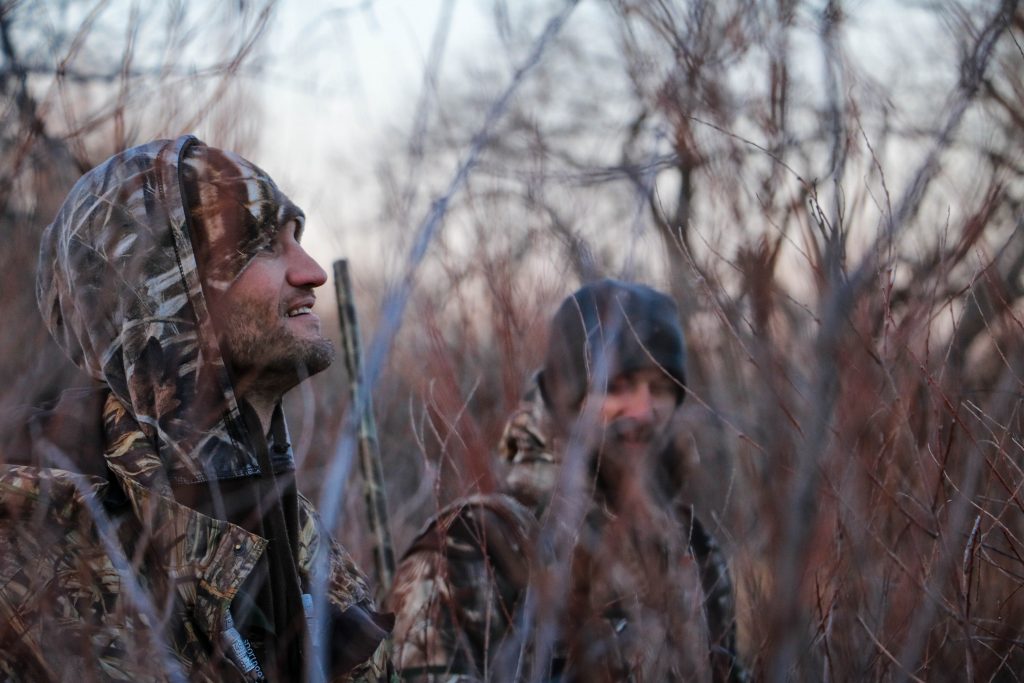
The first item that comes to mind for a hunting expedition is a riffle and a hunting vest, but what about all of the other needed essentials? It’s key to remember that you might be trekking out into the wilderness, and you might find yourself being there longer than expected. So, use this guide to remember the 5 important items that many hunters seem to forget.

Essential Hunting Items

1. Hunting Binoculars

One of the most often forgotten items is your hunting binoculars.

The most obvious reason is that without a pair of good quality binoculars, you might miss some animal at a distance. Forgetting your binoculars means that you may come back with less to show for, making for a less enjoyable hunting trip.

But, more importantly, you can use binoculars for navigation, to discern your path and spot sources of water, roads, and civilization at a distance.

Other Benefits to Bringing Binoculars

• Be able to decipher an animal from a rock or foliage (Also, so you know you aren’t shooting at a human!).

• See your terrain more clearly to prevent injuries or see signs of animals that the naked eye would not be able to see.

• Allows you to spot predators or wildlife you’d rather avoid.

Important Features on My Binoculars?

You don’t want binoculars that magnify too far or too near. It’s important to get the right set that matches the terrain you will be hunting in. Generally, in wooded terrain you’ll want something with less magnification, such as 8x and in open terrain you can go as high as 12x. You can go higher, but you’ll end up needing a stand or tripod.

2. Cold Weather Gear?

Staying warm while you are out hunting is crucial for any tracking expedition. Even if you have double checked the weather forecast. It is always safe to stay prepared for unexpected cold fronts. You should keep some cold weather gear in your daypack and take it with you, just in case.

If you get disoriented or injured, you might find yourself spending the night in the woods. It doesn’t matter if it’s the middle of the summer or not, it will feel cold when compared to the daytime highs. Also, you can get hypothermia even if it’s as warm as 70 degrees if you are wet and not clothed properly.

Which Cold Weather Gear Should I Bring?

You’ll want properly fitted boots so as not to reduce blood flow to your toes along with spare socks. You’ll also want:

• Clothing articles that are not made out of cotton as this material absorbs moisture and doesn’t insulate when wet.

• Keep your head warm with a hat or beanie while protecting your face with a face mask.

• Bring gloves that are not made out of cotton.

• Have spare, loosely fitting layers available to add or take away as temperatures change.

• Hand warmers that you can keep in your pockets.

• A Winter coat, one of the most important items to help keep warm. See this guide on the best winter coats for extreme cold.

3. Water Purifier

The fact is you can only carry so much water. If you are unexpectedly stuck in the wilderness for more than a day, you’ll need to find a water source. Since unpurified water can leave you sick, weak, and unable to walk your way out, you need to clean all contaminants from water.

The most obvious way to do this is by boiling your water. But, starting a fire is not always practical and in many places there may be a high danger of fire. So, the best option is to bring a water purifier.

What Can I Use a Water Purifier On?

With a water purifier at your disposal, you can obtain water from the environment around you. This includes water from a creek or any other wild body of water.

Various Types?

There are different types of water purifiers that you can purchase for your next trip. Each type will have pros and cons and you should weigh what you need vs their price and other features.

Here are a few types:

• Water filtration pump

• Squeeze or gravity flow system filters

• Tablets or drops

• Lifestraw

• Lightweight backcountry stove

4. A Compass

Although we tend to use GPS to get around these days, it still is important to carry another location device such as a compass. Hunters are frequently out in the middle of nowhere to find the best prey, putting themselves in risk of either their phone losing service, getting destroyed, or running out of battery.

There are a variety of compasses based on how you plan to use them and the difficulty of the terrain you will be in.

5. A Topographical Map

A topographical map is a detailed and accurate representation of two-dimensional features on the Earth’s surface that are natural and human-made. It will allow you to know the features of the surround area without being able to actually see them.

Why Bring it?

According to Real Tree, topographical maps are an essential when hunting out in an area that is less familiar. You can even use these maps to locate deer travel corridors.

More importantly, even if you get completely lost or disoriented, you can figure out where you are and navigate back to safety. There are plenty of stories of people who have got lost and died less than a mile from well worn trails, you don’t want to be one of them. So, bring a compass and a map.

How Can I Read One?

Topographical maps can be confusing to read without the proper training. You’ll want to spend some time learning the major and minor terrain features, how to convert from grid to magnetic north, and how to determine your exact location in a variety of ways.

What Else Do I Need?

Hunting expeditions lead one far away from civilization, making it a priority to pack properly. While there are probably 100 different things you might want to take, you have to balance between necessity and your ability to carry it.

Regardless of what you do or do not bring, make sure you have these 5 items.

5 Tips to Purchasing Gun Safe Dehumidifiers

Protect your guns, ammo, and gear.

Every household that owns a series of firearms should have a gun safe installed within the premises. Gun safes help to secure your firearms and eliminate the risk of unauthorized access. However, excessive humidity can gradually percolate into the safe, causing metal components to rust. Too much moisture also leads to warping of wooden parts and development of unsightly molds.

To prevent the accumulation of moisture, it’s important to purchase a gun safe dehumidifier. Such units are frequently used to eliminate dampness, ensuring that your safe remains dry and mold-free.

Here are 5 tips to purchasing gun safe dehumidifiers:


  • Choose the right type


Dehumidifiers are essentially of two types: electric and desiccant dehumidifiers. The former type works by generating enough heat to evaporate all the moisture that exists within the gun safe. Most people prefer electric dehumidifiers because they’re highly effective in overly humid environments. Desiccant dehumidifiers, on the other hand, use absorbent elements to soak up all the moisture within the safe. They work just like a sponge. These dehumidifiers are perfect for those individuals who want to save up on electricity. Silica gels are often used to absorb humidity.


  • Consider your budget


It’s important to have a certain price range in mind before purchasing a gun safe dehumidifier. Desiccant dehumidifiers are generally more affordable than their electric counterparts. In addition, they will not spike your monthly electricity bill and you won’t keep worrying about purchasing replacement parts for them. Electric dehumidifiers are more luxurious and effective at eliminating excessive humidity compared to desiccant units, making them widely popular. Your financial situation will determine your ultimate choice.


  • Level of humidity


Some regions experience extremely humid conditions while other places are only mildly humid. The place you live will certainly influence your decision when buying a gun safe dehumidifier. Electric units use a heating element to vaporize any trace of moisture within your safe, making them perfect for highly humid environments. Desiccant dehumidifiers would best suit you if the level of atmospheric humidity is low where you live. When it gets too humid during the summer, consider getting an electric dehumidifier to offer added protection to your gun safe.keep ammo dry

  • Product warranty


In case the gun safe dehumidifier you purchase is defective or gets damaged, the manufacturer should offer a free repair or replacement service as stipulated in the product warranty. Some companies offer full lifetime warranties for their dehumidifying units while others offer limited warranties. It’s wise to consider the terms of warranty of your preferred dehumidifier. This way, you can confidently return it when something unprecedented occurs.


  • Ease of installation


Some dehumidifiers come with a complicated set of instructions that make it extremely difficult to set up. A good gun safe dehumidifier should offer easy installation guidelines. If you find yourself scratching your scalp in utter confusion, seek help from an experienced professional. You can call customer support to help you out, or request for a technician to come over and install the dehumidifier on your behalf.

These few tips will help you purchase an exquisite gun safe dehumidifier that suits you.

101 Uses for Paracord [infographic]

There’s a good reason why you don’t bring a lot of things with you when you go on an outdoor adventure. You may need a pillow for a more comfortable rest at night inside your tent, or a rope ladder to climb some treacherous terrains. But you don’t bring all of what you think you might need when camping or trekking or whatever you do in an adventure. If you did, you would be carrying your whole house with you.
This is where a modest piece of equipment comes in. A paracord looks like it won’t be much, but it can actually do so much. A paracord, which means a parachute cord, is basically a lifesaver. You need a shoelace? Use a paracord. Your leather watch strap ripped? A paracord will hold it together. You suddenly need to rappel? Paracord can be your lifeline. Aside from the obvious uses—such as tying an object to something or using it as a rope—there are a lot more that you can do with a paracord. You don’t have to be trekking in the countryside or camping in the wild to have a use for it. You can find that even in an urban setting, a paracord can be crucial to you.
Learn how to use a paracord in so many different ways in the infographic below.
infographic 101 Uses for Paracord

5 Things You Should Know About Buying Food To Stockpile

For most preppers, safety and food security is of paramount importance. Having your own food supply during an emergency or crisis situation will keep you and your family self-sufficient even during the toughest times. How do you build your own stockpile for survival?

foods list for off grid survival

Here are 5 things you should know about buying food to stockpile.

  1. What Is Your Goal?

Before buying food to stockpile, you will need to set your goal. How much stock do you intend to buy? How long do you want the supplies to last? Ideally, your food and water supply should sustain you for at least 72 hours but for peace of mind during an emergency, go beyond the bare minimum.

Start by writing a list of foodstuff that can sustain you and your family for three days. Once you have achieved that goal, keep building until you have enough supplies to last a few months.

  1. Decide On A Stockpile Budget

When buying food to stockpile, it is important to have a budget from the beginning. Determine how much you can afford and how much money you can spare from your weekly shopping to buy food to stockpile.

Make your budget conservative and reasonable. Avoid getting into debt. Know when to stop. There are times when you will have to pass up a great deal to avoid wasting money. Remember to go over your budget before you start shopping. You can always take advantage of store sales and product rebate offers.

foods list for off grid survival, food storage
  1. Invest In Nutritionally Dense Foods

Sometimes, consuming food from a stockpile can get tiring and boring. This is why you will need to invest in a stock that includes nutritionally dense and tasty foods. Consider your family’s taste and make a list of ingredients they will enjoy. Some of the foods to buy include; multivitamins, dried fruits, cereal, canned meat and chicken, nuts and peanut butter.

Don’t buy food items that your family doesn’t eat. Don’t buy food that will go bad before you eat it. Check all the expiry dates and preservatives used to ensure that your food is safe for consumption for the entire period you will need it.

  1. Prioritize On Water

Water is life. Without it, our bodies cannot survive for more than three days. Buy enough water. You should stockpile and safely store at least two weeks supply of water for every individual in your house.

Commercially bottled water is the best choice since it is safe and does not require sanitizing or disinfecting any further. However, it is advisable to consume or replace the water every six months.

foods list for off grid survival, jars and canning your own supply
  1. Prepare Space For Your Stockpile

Stockpiling on food and water will take up a lot of space in your pantry. Before you head out shopping, ensure that you clean and prepare the space. If you intend to store the food in the basement, ensure that your basement is cool and dry.

Remember, seepage, mice or mold can make your entire stock of food unsafe. You can invest in additional storage shelving or identical boxes that take up minimum space.

Conclusion

There you have it. 5 important things you should know about buying food to stockpile. To find out more on foods list for off grid survival go to simplyoffgrid.com for more information.  


3 Types of Weapons You’ll Definitely Want in the Apocalypse

Scientists have worked out that after just three months of an apocalypse, things would be looking pretty dim for humanity, with only 300 people left alive. This data doesn’t seem to take into account, however, the preparedness of a large group of the population in regards to weaponry. Survival weapons are a necessity, especially when it comes to prepping for an apocalyptic disaster that could force you to alter the way you protect and defend what’s yours. Depending on the situation you find yourself in, you will likely want to have a variety of weapons on hand to defend yourself and your family as well as hunting and gathering food and other necessities.

End of days. How to survive post SHTF.

Machetes & Knives Provide Practicality 

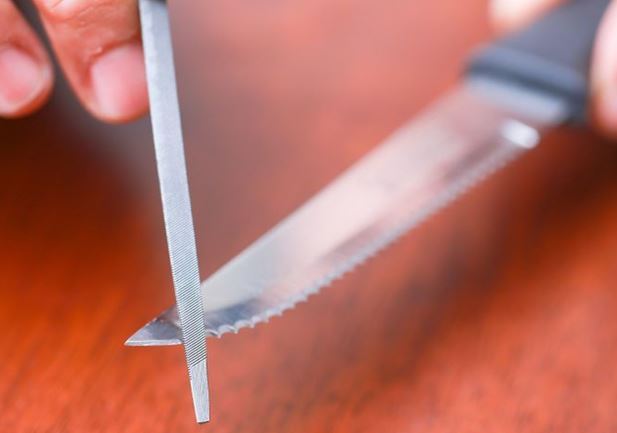
If you are properly trained to use a knife, it can be a great way to not only protect yourself but to cut through thick, dense forests and also hunt animals that you can use for food. You will likely need a reliable knife that’s easy to handle, strong, and razor sharp. As you will use it for various purposes, such as self-defense and hunting, it can be a good idea to invest in a multi-tool that has a knife feature included on it instead of one single knife. That is, however, unless you plan on going for a machete. This weapon is best-suited for areas where you will need to clear brush as well as for survival skills such as cutting wood and even defending yourself against smaller predators like wolves and mountain lions.


Pepper Spray Guns for Safety & Tracking

Pepper spray is powerful enough to be used against most bears, meaning that it certainly is powerful enough to take down anybody in your immediate vicinity who is trying to do you harm. Pepper guns are great as they take on the shape of a gun, making these devices easy to carry around. Instead of shooting ammo, however, it uses pepper spray to disarm your enemy or attacker, either human or animal. The Mace Brand Pepper Spray Gun is a great option in this case it is works two-fold by allowing you to deliver a powerful kick of pepper to your assailant while also allowing you to track the perpetrator. The 10% OC Pepper Formula features a UV Dye that will trail behind whoever you shot it with to ensure you can either track it to hunt it and use as food or avoid if it is someone you don’t want around you or your family.

Using Guns for Tough Situations

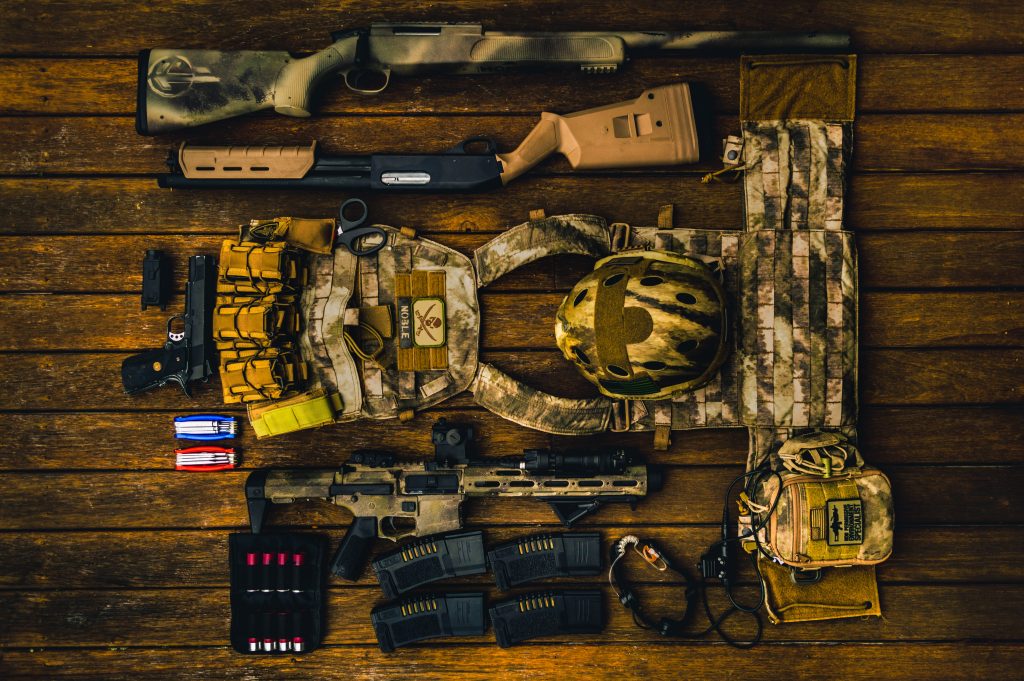
They’re loud and sometimes heavy to carry around, generally making them less-than-ideal for survival situations. However, guns can be a great asset in an apocalypse that requires you to defend yourself from predators or other dangers, as they provide you with the power you might need to fend off unwanted visitors that other weapons don’t provide. To defend yourself from animals, it is best to have some sort of animal repellent such as a bear spray on hand for your first line of defense. Your next best bet will be a holster pistol that you can carry around on your waist. And, if the situation calls for it, you can upgrade to a rifle or shotgun that allows you to scope out dangers from a distance.

Ensuring the Safety of Your Family

The best way to ensure the safety of your family during an apocalyptic event is to prepare them beforehand. Educate them on the risks involved and teach them how to defend and care for themselves. Have a solid communication plan in place and ensure you are equipped with all of the necessary gear you need to survive whatever might happen, even if it means stocking up on a few defense weapons.