10 Most Important Boating Accessories for All Your Boating Needs

Boating Gear -  boat fender, boat hook, boat loop, boating accessories, boating supplies, dock pole, docking, docking aid, docking loop, quick fender

Who doesn’t enjoy boating? Floating on a boat in the middle of a beautiful lake at sunset is sure to give you the rejuvenation that you’ve always longed for. But when boating, safety comes first. You need to choose the right functional accessories. You do not want to be troubled by flimsy accessories and gears while boating. Boating requires you to make a quality investment in boating accessories, which would help in increasing the life of your boat in general. So, listed below are 10 key boating accessories from which you can benefit and would not want to forget while going for a trip to the waters –

  1. Personal Flotation Device (PFD) – If fishing is your hobby; a PFD cannot be dispensed with. You must have one flotation device for every person on board. Make sure that the life jacket is USCG approved. You can also keep throw cushions on your boat, which are mandatory in some states.
  2. GPS Devices – A GPS device like a GPS-Emergency Position indicating Radio Beacon (EPIRB) or PLB (Personal Locator Beacon) is important installations for your boat. These devices can communicate your exact location to search and rescue satellites. These work even on inland waterways. It is not uncommon for your phone’s battery to die or become dysfunctional due to an accident on the boat. These devices come handy when your phone runs out of the network coverage area.
  3. Phone Charger – It won’t be an understatement to say that our phones have become an indispensable part of our lives. The need to use it may arise anytime and so a 12-volt charger comes handy then. Some people even install solar-powered phone chargers. For Example – You may have to use your phone as a flashlight. But what if the battery of the phone runs out altogether? In this case, a phone charger or more suitably a power bank would be a helpful option.
  4. First Aid Kit – One of the most underrated items that ought to be carried are mostly the first aid kits. Do not underestimate its functionality and always keep one in your boat. It is one of the most important boating accessories. The palm-sized container can store bandages, antibiotics, antiseptics, scissors, tweezers, adhesive tapes, flexible adhesive bandages of several sizes, etc. Sterile tools are also packed and they should be used when a medical need arises.
  5. Polarized Sunglasses & Fishing Shoes – Protecting your eyes from the harmful UV rays is a must on a sunny day. There are variants of sunglasses that are available for offshore, inshore and cloudy days, which is for you to choose. You should not forget to buy a pair of anti-skid non-marking shoes. They are always better than flip-flops. They cover your feet and keep them protected from fish hooks or pokes, gears and fish fins as well. You wouldn’t want to ruin your experience because of a pair of shoes and a pair of sunglasses. Would you?
  6. Marine Radio – These are tremendously convenient devices as they are independent of a boat’s electrical system. A marine radio can transmit information about the weather, the boat traffic or the movement of large commercial vessels. Mishaps and accidents can occur in seconds and you would never want to be caught in one because of erratic weather conditions. To be self-sufficient and not dependent on the help of local authorities is a good plan. These radios come preset with major international and all local maritime frequencies.
  7. Correct Anchor – The anchor which you choose for your boat must be according to the size of your boat. You must also take into consideration the location where you plan to set sail. Preferably, you may buy an anchor which is larger than the size recommended for your boat. This is when your boat is not too tiny. Most anchors adjust to the sea bed or the floor of the lake. The length of the chain or rope is what helps to pull and fix a position for your rest. Make sure that it is adequately long. The fluke and grapnel type are recommended based on many experiences and knowledge.
  8. Waterproof Dry-Bag – This is undoubtedly one of the best companions of a sailor. It can carry your clothes, electronics, devices like phone and camera and food! These items are travel essentials and you do not want excessive sunrays, water or dust to ruin them. It is practical and thus recommended to carry them safely in a waterproof dry-bag. They come in several shapes and sizes and even high-quality ones are available for an inexpensive price.
  9. Basic Tool Kit or A Multi-Tool – A good tool kit or a set of tools is paramount and one of the best investments on boats. They contain replacement fuse, tapes, wrench, pliers and different sizes of screw nuts and bolts. They fix small problems on the spot and you can feel much relaxed and have a comfortable boating experience. They are to the boat what a Stepney toolkit is to a car. Buy a high-quality mechanical tool kit ideal for boats and marine applications.
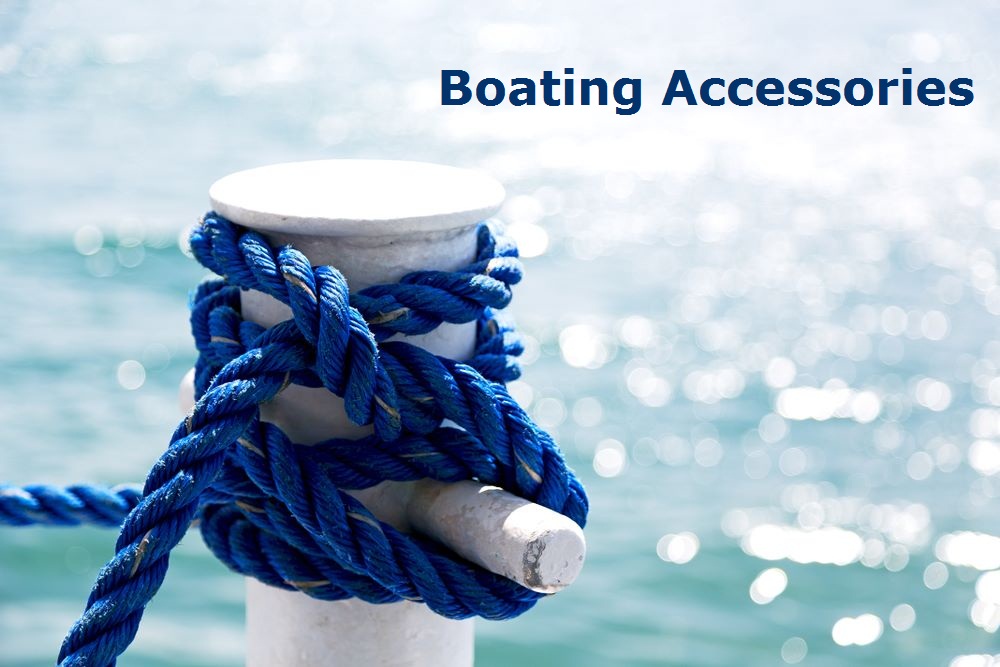
  10. Ropes/Dock Lines – There are numerous situations when you would need ropes as boating accessories. You should keep a decent number of these on board. If anchored out with other boats, they come handy to tie-up with them. If your boat needs to be towed, a sturdy rope will be functional. It might be helpful when you need to tie your boat to a post. They will also be helpful if you are caught up in mechanical troubles.

But gathering these one by one would be a tedious and time taking task. So where do you go? A one-stop destination for all your boating accessories is RS Marine. They provide high-quality products with unparalleled functionality. They build tools for boating enthusiasts which are realistic, resourceful and reliable.


5 Essential Tips on Surviving Your First Hiking Trip

Hiking is literally not a walk in the park. It involves walking on trails of various terrains, elevations, and steepness. Given the right weather conditions and preparations, even a couch potato can successfully complete or even enjoy a hike.

Tips to surviving your first hike

The beauty and tranquility that can be offered by Mother Nature is usually a great way to dilute the stress of the daily grind. However, there are certain considerations that you must keep in mind to reduce untoward incidents––and have as much fun as you possibly can.

If you are a novice hiker, you might be at a loss on how to go about it. The list below shares what’s essential for your very first hike––in order of importance.

1. Choose a Trail that is Suited to Your Fitness Level

The best way to increase your chances of surviving any endeavor is to carefully plan ahead. Hence, if you wish to make your first hiking trip memorable in the right way, you must choose a trail that suits your current fitness level.

Given that most hikers post great photos of their adventures, it can be easy to underestimate the trail level if you just rely on “Instagrammable” views. Here are some of the things that you should take note of when you do your trail research:

  • Trail difficulty and trail type
  • Trail length
  • Elevation gain
  • Hiker reviews
  • Best months to go

Once you start your hike, make sure that you don’t rush into it. Pacing is vital to a successful hike. You are not in a competition—you are here to enjoy what’s around yo

2. Prepare an Appropriate Hiking Pack

The contents of your hiking pack will depend on the weather and the season you’re currently in. Outdoorcommand has a number of buyer’s guides to help you choose which gears are best suited for your upcoming adventure. Here are the bare essentials that must you must bring with you in any hike:

  • Daypack: 20L to 35L capacity should be enough, though you can go for bigger ones if you eventually plan to level up.
  • Water Bottle or Hydration Pack: The general rule is 500mL of water for every hour of hiking.
  • Trail Food: Go for food items that don’t need cooking, such as dried fruits, energy bars, biscuits, and nuts.
  • Headlamp or Flashlight: You may not plan on night hiking, but you never know when it would come handy.
  • Multi-tool or Knife: These will always prove to be useful at one point or another.
  • Navigation Device: This can be a compass, a map, or a GPS device. The trail may be well-labeled, but it’s better to be prepared.
  • First Aid Kit: Include antihistamines, antiseptics, bandages, pain killers, and tweezers, just to name a few.
  • Extra Clothes: Weather conditions can be unpredictable, so you’re better off bringing some extra clothes.
 

3. Wear the Right Clothes

It might be tempting to choose stylish clothes just to look good on your photos, but you will be sorry if you wear the wrong clothes and footwear to your hike. For clothes, go for moisture-wicking fabrics and wool (for cold weather hikes) as these materials dry quickly.

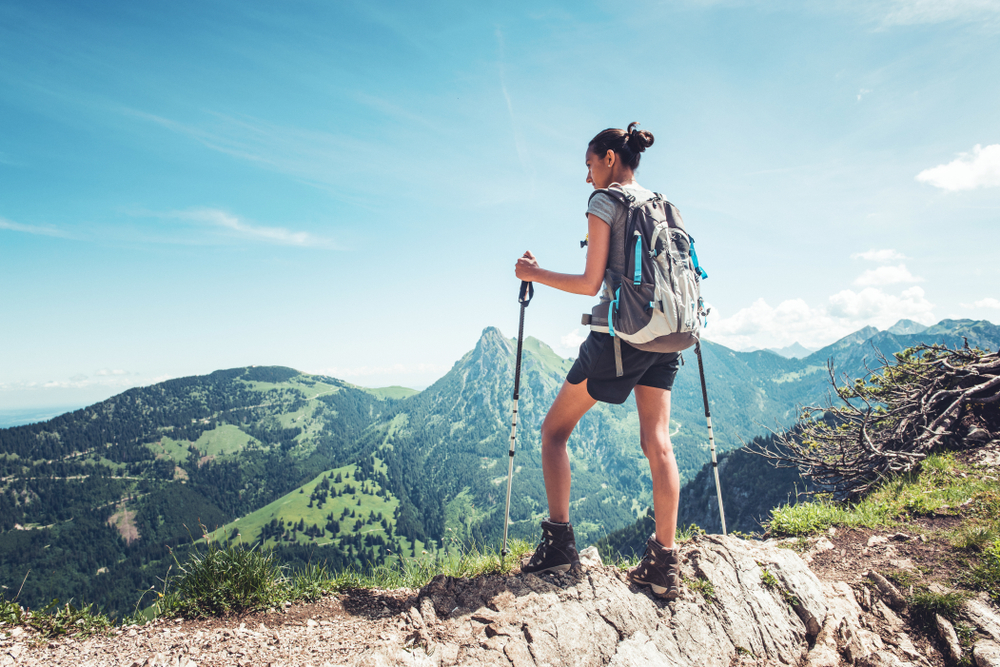
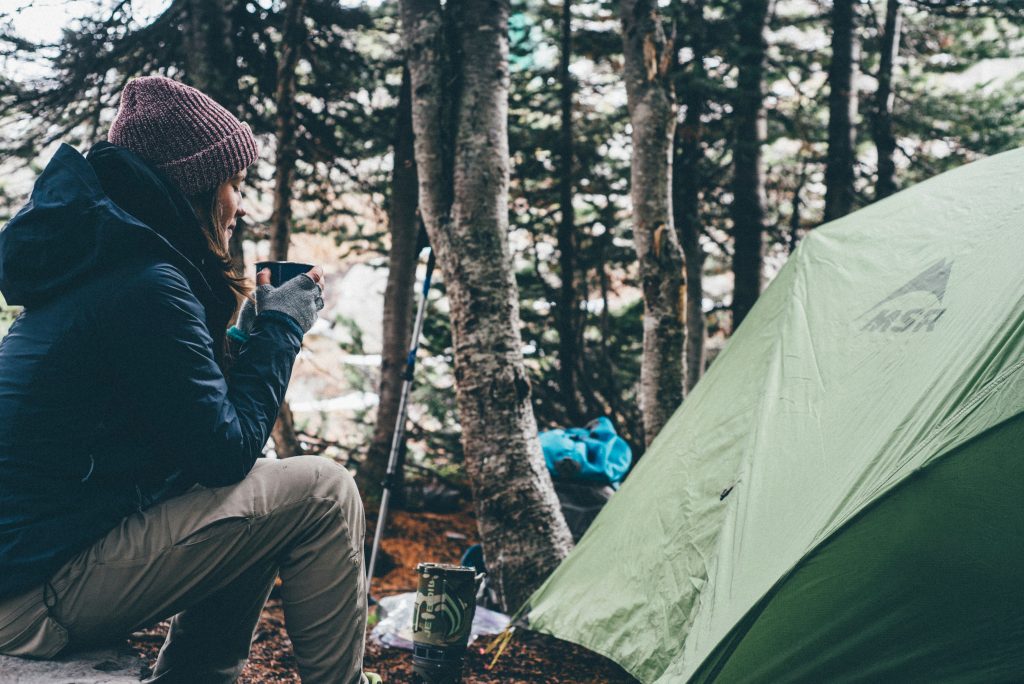
Wear the proper hiking clothes and equipment

You should also bring sun protection accessories such as hats and sunglasses if you are hiking in the heat. Make sure that you do your research on the best hiking clothes for men and women so that you’re well-protected when hiking day comes.

4. Fuel and Hydrate Adequately

The importance of hydrating before, during, and after the hike cannot be stressed enough. Additionally, snacks can also keep you going when you’re already feeling weak. Make sure that you also pack a “victory snack,” or the snack that you will eat at the end of the hike. This will serve as your reward for a job well done.

5. Follow Outdoor Etiquette

“Leave No Trace” is probably the most widely known outdoor etiquette in existence. It just simply means that you should clean up after yourself, and leave the trails exactly as you found it––or even better than you found it, if you chanced upon it in bad condition.

Be considerate of other people and the wildlife that live in the area. As the saying goes, “Take nothing but pictures, leave nothing but footprints.”

Conclusion

Even if it might take a lot of physical effort, hiking can be a tremendously rewarding experience. The key to surviving hikes is to ensure that you know exactly what you are getting yourself into. If you are fully prepared for the challenges of the trails, you’d surely enjoy your first hiking trip.

How To Choose The Right Boat Hook

Boat owners need a lot of tools and equipment so that the boat functions as expected. Right form oars and engine fuel to boat hooks, every element needs to come together well so that the boat’s performance is as per the owner’s needs.

If you have been out sailing or have some experience on a boat, you must have understood the need for boat hooks. Boat hooks are an important aid for pushing, pulling and retrieval of objects from the sea. These not only help in retaining ropes, objects or boats in the water but are also used for docking and undocking the boat. With the wide range of features and functions available with the boat hooks, it becomes easy to get objects that are submerged below the sea level.

How to choose the right boat hook

Aside from docking and undocking, you can use these boat hooks for the following purposes:

  • Fishing objects out of the water, like buckets, hats, or any of your much-loved things. Generally, it happens more than you would think
  • When you want to pass objects to someone else on your boat
  • Cutting through objects
  • When you want to test water depth
  • Pushing yourself off boats that you have drifted too close to
  • Putting ropes on bollards that you cannot reach
  • Pushing yourself off the dock when there is a blustery weather
  • Passing rope up to your lock assistant
  • To grab objects those are rung on walls

Different boats have different requirements. It is, therefore, important to choose the boat hook suitable for your boat. Be it boat loops or electrical remote hooks, every type of boat hook perform a separate set of function. Selecting the right boat hook could be confusing if you are new to this. Here are a few boat hooks for you to choose from:

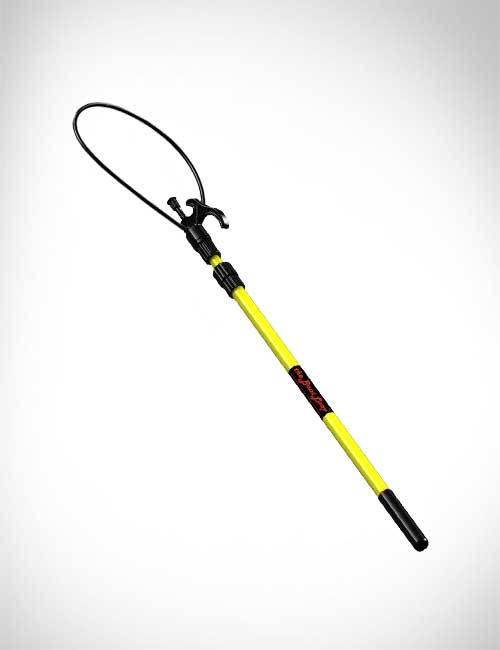
  1. Boat Loops: Boat loops are gaining a lot of popularity as boating equipment these days. Boat loops are very versatile and can be used for commercial or recreational purposes alike. The boat loops usually have a hook attached to them which helps in launching or retrieving things out of the water. The boat loops by RS Marine have a quick lock and release hook mechanism along with a flexible loop. You can order these great quality boat loops from rsmarine.com.
  2. Telescopic Boat Hooks: Telescopic boat hooks are designed for heavy boats. These boat hooks can stand a lot of force and don’t break easily. These boat hooks are of either 4 or 6 feet and can be extended to a length of 8 and 12 feet. You should buy a telescopic boat hook if you are using a heavy boat, to maximize effectiveness. This type of boat hook can be used for docking, undocking, and pulling up lines. This type of tough boat lock is a valuable asset when launching, docking, or retrieving your favorite things.
  3. Electrical Remote Hooks: Remote hooks have an electric system along with a controlling remote which is used to lift as well as perform other functions. The biggest advantage of such boat hooks is that the owner doesn’t have to be present near the hook all the time. Choose an electrical remote hook if you don’t have enough manpower on the boat.
  4. Economy Boat Hooks: If you have a small boat, this could be the best option for you. These boat hooks are lightweight and have special air chambers which make it easy to float. Economy boat hooks are relatively cheaper and are the best option available for people with small boats.
  5. Snap Hooks: Snap hooks are the best option for you if you use sailboats. Snap hooks function best for mooring as well as fastening purposes. These are made of stainless steel and have a spring for quick attachment and release. These are very versatile but work best for all the needs of a sailboat. If you own a sailboat and want to make mooring easier, snap-hooks could be the right thing for you.

Where can you buy them?

Any store that carries boating equipment should have a selection of hooks. If not then you can always buy them online from websites like eBay, Amazon.

To conclude

Different boats require different types of boat hooks. However, if you are new, it might be difficult to understand what boat hooks work best for your boat. In such cases, the boat loop is a savior.

Boat loops can be used on any kind of boat and perform a range of functions like mooring, docking, and revival of objects. The boat loops on sale by RS Marine are not only of great quality but are also priced reasonably. Get a boat loop today to make your boating experience a lot more relaxed and easy.


Tips to Choosing the Ideal Tent for Survival Off Grid

You can’t go to a camp site without a tent. This is because you will not have somewhere to lay your head at night or when you just want to rest during the day. With a quality net, you can be sure that you will be protected from the bad elements of weather. Besides that, you will enjoy being able to do certain things in privacy, such as changing into fresh clothes and grooming. However, buying a new tent can be a daunting task, especially when you don’t know what to look for. As a matter of fact, tents come in various shapes and sizes. Selecting the right tent will go a long way towards improving your experience at the campsite. Here is a list of things you should consider when shopping for a tent.

1. Size Matters

Your choice of a tent should be guided by the number of people that it can accommodate. In fact, every tent describes the number of people that can comfortably stay in it. If it’s just you and your spouse, a tent with a capacity of 4 people is highly recommended. This is because you will use the space that’s left to keep your stuff. If you have a bigger family, it’s recommended you narrow down to a king size tent. This helps in ensuring that the occupants are able to move inside without being clumsy. It’s also important you consider the height of the tent, especially if you want to be able to stand inside. A tent with a cubicle design is ideal for such purposes.

2. Easy to Set Up

As an amateur camper, you might get carried away by the looks of various tents. Some tents look very appealing when they are already set up. What the sales people will not tell you is that you can’t set up such tents on your own. In fact, some tents can only be pitched by professionals. Going to a camp with such a tent is a recipe for disaster. This is because you will not be able to set it up fast when you arrive late at the camp or it starts raining. By the rule of thumb, you should select a tent that pops up instantly.

3. Proper Weather Protection

Sleeping under canvas is fun as long as the tent doesn’t allow bad weather to penetrate to the inside.  An ideal tent is one that’s designed to prevent water from penetrating through. Tents made from canvas are usually the best because they are breathable, meaning they allow fresh air to circulate inside while repelling water. Such tents help in maintaining dryness in the inside by encouraging evaporation. Since they are also breathable, they prevent heat from building up. You should also select a tent that’s insulated on the edges to keep cold weather at bay during winter.

4. Price

The price of tent is not constant across various stores. You should actually keep looking until you find a tent that you can afford to pay for. At the end of the day, you will only get what you pay for. This means that a bigger tent and more features will obviously cost more than a smaller tent. Besides that, tents made from canvas cost a premium price due to their durability. On the other hand, those that are made from nylon material tend to be cheaper. The downside is that they need to be replaced every now and then.


Create A Simple Portable Stove From An Aluminum Can [video]

Easy enough to create a few of these simple portable stoves for your survival kits. Lightweight carry for hiking, backpacking or in your bugout bag.

You can store the fuel in a small shampoo bottle, and add when needed.

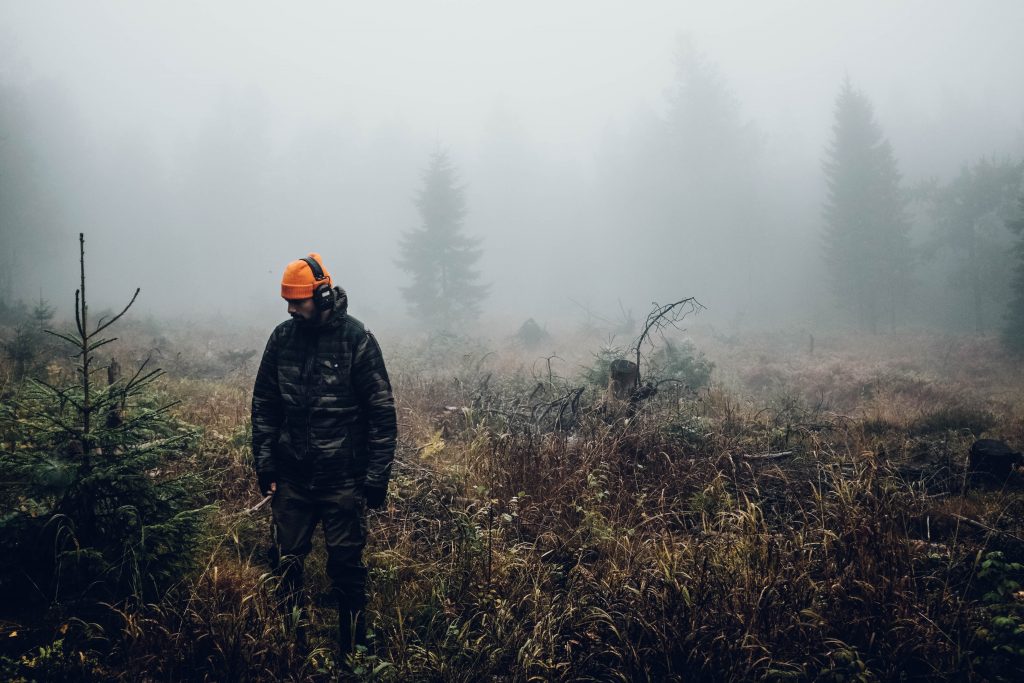
5 Tips to Hunting and Camping to Survive in 2019

Successful camping and hunting should be characterized by fun, the desired outcome, and safe adventure. It is possible to realize the best hunting experience with proper planning and preparations. The jungle may be hostile, and terrains are changing; thus, you need the new tips to have a successful hunting and camping. Here is how you can make the experience more exciting without risks.

Be prepared when you go camping or hunting. 5 Tips to Survive.
  1. Safety first- pitch your camp away from danger and dress in protective gear

When you go out hunting and camping, you should be able to get back in sound health if not re-energized. You having your camp miles away from the field will ensure you avoid attacks during the night. Some diseases can be transmitted from the animals to humans, and thus, it is advisable that you take necessary precautions.  Having your tent away from the field will also ensure that you don’t scare away the prey; hence, you will increase your chances of making a kill. Carry a first aid kit as well.

2. Have the necessary equipment with you

Some of the material that you will readily think of packing when going for hunting and camping include the weapons, safety belts, and binoculars. You will have your focus on the big occasion, and it is appropriate that you prepare early enough. It would help if you started packing since some of the basic stuff are likely to be left out when you don’t have a checklist. You can’t avoid going without a compass. Without the native compass, you will get frustrated when you lose directions in the process. However, it is vital that you keep your load manageable as well.

Carry the proper equipment needed for hunting or camping.

3. Carry sufficient food

You must keep stable during the hunting period. It would be best if you carried adequate meal and snack with you to the hunting fields. The diet should sustain you for the entire duration. Running out of food and other necessities will disrupt your adventure since you have to cut it short or replenish your stock. Often people tend to think that they will catch the deer and feast from day one. This may not be true at times; hence, you will starve when you fail to carry adequate food.

4. Learn the state’s hunting regulation

Acquainting yourself with the laws of the land will help you avoid contravening, which will limit or make the event get chaotic. Requirements differ from one region to another, and it is prudent that you learn of the new laws in the original jurisdiction. You should ensure that you get the necessary documentation and carry them along in the trip. Engaging in illegal hunting can curtail your camping and hunting experience.

Obey your local hunting laws and regulations.

5. You can bring entertainment with you

You will be away from home, but the camping site should be your new home. Bring along everything that will make you comfortable. It is good that you carry the Bluetooth speaker with your playlist loaded the latest music. Entertainment should not miss in the experience. Have an excellent speaker and good music to keep you company if you are to be alone. All your devices should be well powered during this period.

Security Tips For Campers

[source]

Visiting the great outdoors is a chance to rest and relax, to put your worries on hold and recharge. Except that’s not always the case.

camping security tips

While camping may be an escape from a lot of things, it’s not an escape from security concerns. It’s just a time when security concerns change — radically. And if you want to be safe, you need to be prepared. To keep you and yours secure on your next nature adventure, try the following tips:

Rent A Satellite Phone

Everyone knows that satellite phones are a must if you’re camping out somewhere desolate and dangerous like Death Valley. But there are plenty of cell phone dead zones in places like the tame old Smoky Mountains. You’ll need a phone, stat, if someone in your party gets injured, if you’re menaced by a bear, or god forbid, another human. You can rent an iridium satellite phone.   

Keep Valuables Away

BassPro says that campground security strengths vary depending on the budget of the campground in question. And we can all imagine the annual budget of most park campgrounds. The best you can do? Lock all your valuables in your car: that means credit cards, watches, cell phones, and anything else you wouldn’t want to lose.

Don’t Display Expensive Gear

Got a nice new Yeti cooler you want to drag along with you into the great outdoors? Don’t park it in front of your tent and wander away. Same with high-end hiking gear: stow away your brand-new backpacks, that rented satellite phone, and even your expensive outdoor clothing. Or else when you walk off for that morning hike, you may return to find that your shiny new gear has walked off, as well.

Be Cautious Of Fellow Campers

Showing off expensive gear also marks you as the type of person who can afford expensive gear, and out in the wilderness, you’re at the mercy of the elements — and one of the elements is your fellow man. A branch to the back of the head is all it takes to leave you gearless, cashless, phone-less, and in some serious trouble several miles from civilization. Always be cordial, but also be wary.

Bring A Camping Safe

You can buy a lightweight camping safe like this one for a decent price, and you’ll need it: you can slip your wallet in back pocket while you hike to that waterfall, but you can’t take several clattering bottles of prescription drugs with you.

When To Lock It Up

Be sure to bring a tent lock, but to use at the right time. And that time is not, counterintuitively, when you’re out of the tent. SimpliSafe notes that the only thing separating your valuables from the outside is a thin piece of canvas. If people see a lock, it’s a red flag that you’re keeping something valuable inside, and they might have no compunction to ruin your tent to get to it. Instead, put the lock on when you’re sleeping inside. If anyone makes an attempt to invade your home away from home, they’ll get a nasty surprise and flee.

The Illusion Of Companionship

If you’re camping alone, it helps to bring a canine friend — hopefully a large, German Shepherd type. If you can’t get your mitts on a scary-but-sweet hound (the barkier the better) take other precautions. Make it look like you’re camping for two. Bring a two-man tent inside of a tiny solo deal; SimpliSafe recommends setting out two camp chairs instead of one (make sure you stow those safely in your car — those are prime candidates to go on a hike of their own and never return). And remember: the need for a satellite phone skyrockets when you’re without a hiking buddy to run for help.

Have Fun And Be Safe

By and large, camping is a safe activity. It’s fun, it’s invigorating, and it gets you out of the rat race of the modern world for a few days. But that doesn’t mean you can throw caution  to the wind like confetti. Take some simple precautions to assure that you don’t come back without your gear — or worse, with some kind of bodily harm. Get a satellite phone, get a safe, get a buddy, and do your best to exercise precautions when it comes to your fellow campers. Happy — and safe — trails.

[source]

Survival Skills For Kids

Survival Skills for Kids